A Mom Says Her Daughter Came Home Upset About One Girl at School, and She’s Struggling to Know When to Step In

A mom said her daughter had recently made a major adjustment by leaving a Christian private school and moving into a public school for second grade. The new school was considered one of the best in the region, so the parents expected the transition to be mostly positive. Instead, their daughter began coming home upset after dealing with one particular girl in her class.
At first, the situation sounded like the ordinary friction children sometimes have with one another. The problem was that the girl seemed to repeatedly go out of her way to bother and put down the daughter. She also appeared to be influencing other children, which made the situation feel much more serious than a simple disagreement between two classmates.
Her Daughter Usually Gets Along With Everyone
One reason the mother found the situation especially concerning was her daughter’s personality. She described her as kind, friendly, and comfortable around both boys and girls. She wasn’t particularly cliquey and generally had no trouble getting along with other children.
That made the sudden distress stand out even more. This wasn’t a child who regularly came home complaining about classmates or getting into conflicts with friends. Something about this particular situation was clearly sticking with her, and her parents were trying to figure out whether it was an accurate picture of what happened or a child’s interpretation of a difficult social situation.
Then Came the Doubt
The mother openly admitted that she wasn’t completely sure whether her daughter might be exaggerating some of what was happening. Children can misunderstand social situations, remember events differently, or sometimes describe a frustrating interaction in a way that sounds worse than it was. That uncertainty made the parent’s next step much harder.
At the same time, dismissing the complaints simply because children aren’t perfect storytellers could create another problem. If something genuinely hurtful was happening, the daughter needed to know that her parents would take her feelings seriously. The mother was caught between teaching resilience and making sure her child wasn’t being left alone to handle something she couldn’t reasonably solve herself.
The Bigger Question Was Where to Draw the Line
The parent wasn’t looking for a way to make every unpleasant interaction disappear. She understood that children will eventually encounter people who are rude, dismissive, jealous, difficult, or simply unpleasant. She wanted her daughter to learn that not everyone will treat her kindly and that part of growing up involves navigating difficult personalities.
The uncertainty centered on when parental involvement becomes necessary. A child learning to handle an occasional rude comment is one thing, while dealing with repeated humiliation, exclusion, or manipulation is another. The mother wanted to know where normal childhood conflict ends and a situation requiring adult intervention begins.
One Girl Seemed to Be Driving the Problem
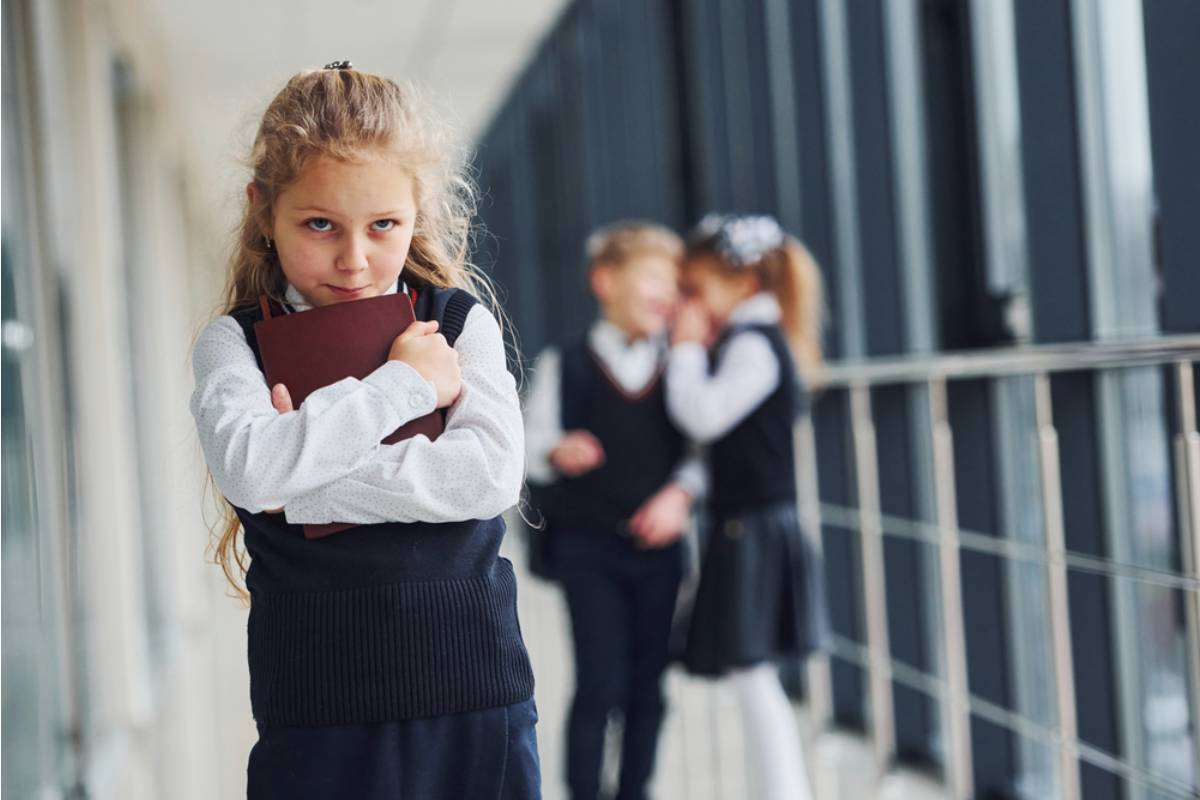
According to the daughter, the behavior wasn’t coming from the entire class. There was one girl who appeared to be repeatedly targeting her and trying to turn other children against her. That detail made the situation more concerning because social exclusion can be especially painful for young children who are still figuring out friendship dynamics.
The daughter also seemed to be coming home noticeably bothered rather than simply irritated. That suggested the issue wasn’t disappearing once the school day ended. Whatever was happening in the classroom was following her home, which was enough to make her mother stop and consider whether this needed more attention.
The Parents Didn’t Want to Overreact
There was another concern quietly sitting behind the mother’s question. She didn’t want to become the parent who immediately storms into the school every time her child has a bad day. She also didn’t want to teach her daughter that adults should solve every uncomfortable situation on her behalf.
That instinct is understandable because children eventually have to develop their own social skills. They need opportunities to figure out how to respond to teasing, disagreements, rejection, and awkward situations. The difficult part is making sure that learning independence doesn’t accidentally become an excuse for tolerating sustained cruelty.
There Is a Difference Between Conflict and Targeting
A disagreement between two children can be temporary and mutual. One day they might argue over a game, get annoyed with each other, and be laughing together again by lunch. But repeated behavior directed primarily at one child creates a different pattern.
The mother seemed to be sensing that distinction even if she couldn’t yet prove exactly what was happening. If a classmate repeatedly insults a child, encourages others to exclude that child, and actively looks for opportunities to upset them, the issue becomes less about one bad interaction. It becomes about a pattern that adults may need to investigate rather than simply watch from a distance.
Her Daughter Still Needed to Learn Resilience
The mother’s instinct to teach resilience wasn’t misguided. Children can’t be protected from every unpleasant person they will meet in life. Learning how to stay confident, walk away from unnecessary drama, seek out healthier friendships, and avoid giving too much power to rude people can serve them for years.
But resilience doesn’t mean silently accepting mistreatment. A strong response can include knowing when to ignore something, when to speak up, when to leave the situation, and when to tell a trusted adult. Teaching a child that difference may be far more useful than simply telling her to toughen up.
The Parent Was Trying to Listen Without Panicking
One of the hardest parenting tasks is taking a child’s feelings seriously without immediately assuming every detail is exactly as remembered. The mother appeared to understand that both things could be true at once. Her daughter could be interpreting some situations imperfectly while still genuinely feeling hurt by what was happening.
That meant listening carefully mattered more than rushing toward a dramatic conclusion. Asking what happened, who was present, what was said, how often it happened, and whether the same child behaved similarly on other days could help separate one unpleasant moment from a consistent pattern. The more specific the information became, the easier it would be for the adults to decide what needed to happen next.
The School Transition May Have Added Pressure
Moving from one school environment to another can create its own challenges for a child. Even a child who is generally outgoing and friendly has to learn new routines, new expectations, and unfamiliar social dynamics. Starting over can make a young student more vulnerable to feeling isolated if one classmate decides to make things difficult.
That didn’t automatically explain the behavior, but it added another layer to the situation. The daughter was already adapting to a new environment when this conflict appeared. A child who is still figuring out where she fits may find it much harder to brush off repeated criticism or exclusion.
Friendship Dynamics Can Change Very Quickly
At this age, children can move from playing together to arguing and back again with remarkable speed. Friend groups can shift almost overnight, and young children don’t always understand how powerful their words or social choices can be. A child who says something unkind may not realize that convincing several classmates to exclude another child can have a much bigger impact.
That was what made the daughter’s account particularly important. She wasn’t describing a single insult from one classmate and then moving on. She believed the other girl was trying to influence the wider group, which could turn a two-person disagreement into a much more isolating experience.
The Question Wasn’t Whether the Girl Was “Mean”
The mother seemed less interested in labeling the other child and more interested in figuring out what should actually be done. Calling another child mean doesn’t necessarily solve anything, especially when the adults don’t yet know the full story. The useful question is what behavior is occurring, how often it happens, and what effect it is having on the daughter.
That distinction can keep the situation from becoming unnecessarily personal. Instead of approaching the school with accusations, the parents could focus on the daughter’s experience and ask teachers whether they have noticed similar interactions. Sometimes an adult sees a completely different dynamic during the school day because children behave differently when parents aren’t around.
The Teacher Could Hold a Missing Piece of the Puzzle
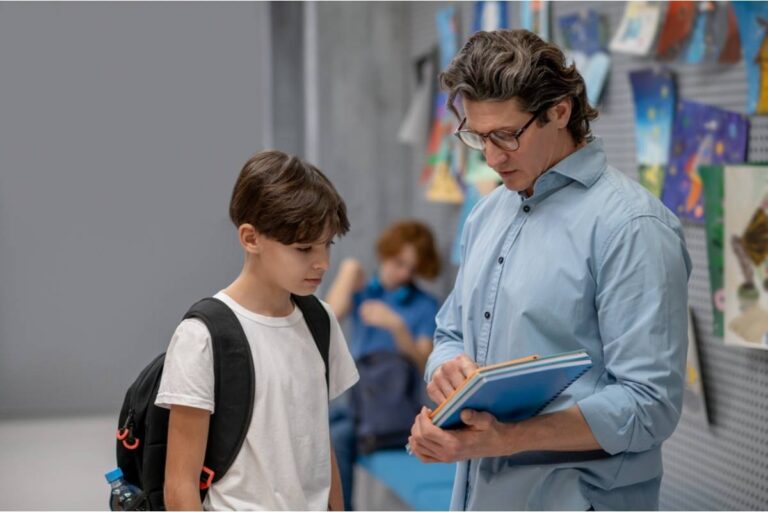
A classroom teacher may have information that neither the child nor the parents can easily access. Teachers see social interactions during lessons, group activities, lunch transitions, and other moments when children naturally form alliances. They may notice patterns that a child remembers only as isolated incidents.
That made school involvement potentially useful without turning it into a dramatic confrontation. A calm conversation could give the teacher an opportunity to observe the situation more closely. It could also reassure the daughter that speaking up about a problem doesn’t automatically mean adults are going to create an even bigger problem for her.
The Daughter Needed to Know She Wasn’t Alone
Even while the parents were deciding what to do, there was one thing they could control immediately. Their daughter could know that her feelings mattered and that she didn’t have to figure everything out by herself. That reassurance can make a huge difference when a child starts feeling as though one classmate controls whether school feels safe or enjoyable.
She also needed practical tools for moments when the behavior happened. Knowing how to calmly tell someone to stop, move toward supportive classmates, walk away from unnecessary arguments, and identify a trusted adult can give a child a greater sense of control. Those skills don’t replace adult intervention when needed, but they can help the child feel less powerless in the meantime.
There Is No Prize for Handling Everything Alone
The mother’s concern about teaching independence was understandable, but independence does not mean refusing help. Adults don’t expect themselves to solve workplace harassment without involving anyone else, and children shouldn’t be expected to quietly endure repeated mistreatment simply because it is technically part of growing up.
A child can learn resilience while also learning that boundaries exist. Asking for help isn’t failure, and telling a trusted adult about repeated problems isn’t weakness. Sometimes the strongest lesson a parent can teach is that knowing when to ask for support is itself an important life skill.
The Real Turning Point Would Be a Pattern
One unpleasant afternoon might not require much adult involvement. Several weeks of the same child targeting the same student, especially while recruiting others into the behavior, would paint a very different picture. The more consistent the pattern became, the harder it would be to describe the problem as ordinary childhood friction.
That was ultimately the line the mother seemed to be searching for. She didn’t need to decide immediately whether her daughter was being bullied in some formal sense. She needed to keep listening, gather clearer information, watch for patterns, and step in when the situation was clearly causing repeated harm.
Sometimes the Best First Move Is Smaller Than Expected
The next step didn’t have to be a dramatic confrontation with the other child’s parents or a demand that the school fix everything overnight. A simple conversation with the teacher could provide valuable information while keeping the situation calm. The parents could explain what their daughter had reported and ask the teacher to pay closer attention to the interactions.
That approach also protected the daughter from feeling that one difficult classmate had suddenly become the center of a massive family crisis. She could still practice handling small moments herself while knowing her parents were quietly paying attention. Sometimes that combination of independence and backup is exactly what a child needs.
The Twist Was That the Hardest Lesson Wasn’t About the Other Girl
The mother began the conversation wondering whether she was taking the situation too seriously. But beneath that uncertainty was a more important parenting lesson: children need both resilience and protection. Teaching a child that not everyone will be nice should never mean teaching her that she has to tolerate someone repeatedly making her miserable.
The situation also offered an opportunity to teach something much bigger than how to deal with one difficult classmate. The daughter could learn that kindness doesn’t require accepting cruelty, confidence doesn’t require fighting back, and asking for help doesn’t mean she failed to handle something herself. The line between ordinary conflict and genuine bullying may not always be obvious at first, but a parent who keeps listening is far more likely to recognize it when that line is crossed.
For Now, the Parents Have a Chance to Get Ahead of It
The story was still developing, and the mother had not yet reached a final conclusion about what was happening. That uncertainty was reasonable, especially with a second-grader adjusting to a completely new school environment. But the fact that her daughter was repeatedly coming home upset meant the situation deserved attention rather than dismissal.
The biggest danger would be allowing uncertainty to turn into inaction. Whether the classmate was intentionally bullying her or simply behaving badly, the daughter was struggling with something that had become important enough to bring home every day. By listening closely, involving the school when necessary, and helping their daughter build confidence at the same time, her parents could give her something more valuable than a perfect solution: the knowledge that she never has to face a difficult situation completely alone.