A Mom Says Her Son Came Home Asking Why a Classmate’s Parents Never Come to Pickup, and She Didn’t Know What to Tell Him

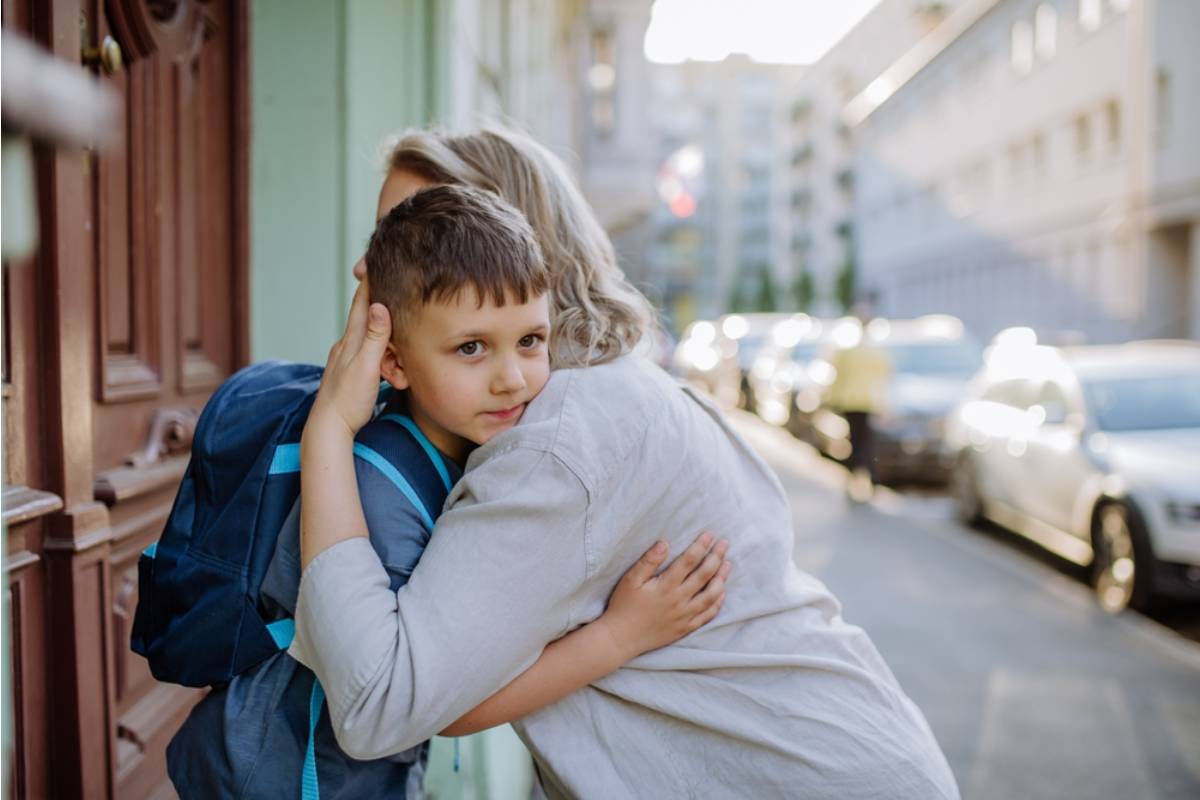
The question came up on an ordinary afternoon that started like any other school pickup. The boy climbed into the car, dropped his backpack on the floor, and stared out the window for a moment longer than usual. His mother assumed it was just end-of-day exhaustion until he suddenly asked something she was not prepared for. He wanted to know why one of his classmates never had parents come to pick him up. The question sounded simple, but it carried a weight that made her grip the steering wheel a little tighter. She did not answer right away because she realized there was no easy version of the truth.
The car ride that changed tone too quickly
The drive home had been quiet but normal at first, filled with small comments about school lunch and a math assignment. The boy usually talked about his day in scattered pieces, jumping from one topic to another. That afternoon, he stayed unusually focused on one thought. He repeated that his classmate always walked home alone or waited near the gate long after others left. The mother tried to respond casually at first, suggesting maybe schedules were different. But she could already tell that explanation would not satisfy him.
The classmate he kept noticing every day
Over the past few weeks, the boy had started mentioning the same student repeatedly. He said the classmate was always one of the last to leave school. Sometimes he saw him sitting on a bench near the entrance, watching other kids get picked up. Other times he noticed him walking out slowly with no one waiting on the curb. It was not framed as judgment, just curiosity that kept growing. The pattern stuck in his mind more than any lesson from the classroom.
The moment curiosity turns into concern
One afternoon, the boy stayed behind near the school gate longer than usual just to observe. He watched as other parents arrived in waves, calling out names and waving from cars. The classmate simply gathered his things and walked off in the opposite direction. That image stayed with him on the ride home. He said it did not look like the other kids were doing anything wrong, but something still felt off to him. That was when the question finally formed in his mind.
The mother tries to give a simple answer first
At first, she suggested that maybe the classmate’s parents worked late or had different routines. She said not every family situation looked the same from the outside. The boy listened but immediately pointed out that it was every single day, not just sometimes. That detail made her pause again. She realized she could not rely on a generic explanation without feeling dishonest. The conversation started shifting from curiosity into something heavier.
The question that does not have an easy version
The boy finally asked directly why no one ever comes for him. The question was not accusatory, just genuinely puzzled. The mother hesitated because she knew there were multiple possible answers, none of them simple for a child. She considered telling him that some families struggle with transportation or schedules. But even that felt incomplete given the consistency he had observed. The silence in the car made the question feel larger than the space between them.
What the school pickup line reveals over time
She started thinking back to what she had seen during pickups at the school. The same students often appeared in groups, waiting for rides or walking home together. But there were always a few who stood slightly apart, leaving in different directions. It was easy to miss unless someone was paying attention. The mother realized her son had been paying closer attention than she expected. That realization made the question feel less like a passing thought and more like something forming understanding.
A conversation with the teacher adds more context
A few days later, she casually mentioned the situation to a teacher during a school event. The teacher explained that some students had independent pickup arrangements or walked home depending on their circumstances. She emphasized that the school monitored safety but did not always intervene unless there was concern. The explanation was calm, but it did not fully answer the emotional part of the question. The mother still felt like something important was being left unspoken. She left the conversation with more awareness but not more clarity.
The boy starts noticing more than just one student
After that, the boy began observing other details at pickup time. He noticed that some kids left in carpools, some were picked up early, and others stayed later than most. The classmate who walked alone became part of a wider pattern he was suddenly aware of. He started asking if all those kids had parents at work or if something else was going on. The mother realized this was no longer just about one child. It was about how he was starting to see the world around him.
The uncomfortable realization for the mother
She began to understand that her son was not just asking where someone’s parents were. He was trying to understand absence itself. The question made her reflect on how children interpret what they see without context. What looks normal to one family can look confusing to another. She struggled with how much explanation was appropriate without overwhelming him. That uncertainty made her answers more careful than she was used to being.
A second sighting that makes it personal
One afternoon, she happened to be early for pickup and saw the classmate herself. He stood near the gate with a backpack slightly too big for his frame, waiting until most of the crowd had cleared. There was no visible distress, just routine familiarity with being alone. Watching it in person made the situation feel more real than hearing about it secondhand. She found herself wondering what the boy saw when he noticed it. That question stayed with her longer than expected.
The boy asks again with more certainty
On the ride home that day, the boy brought it up again, but this time with more confidence. He said it felt strange that the classmate never seemed surprised to be alone. He wondered if the classmate was used to it or if it was just normal for him. The mother realized his curiosity had shifted into empathy. She could no longer treat the question as simple observation. It had become something about understanding other people’s lives.
The mother struggles to frame the truth
She tried explaining that families have different routines, responsibilities, and circumstances that children do not always see. She told him that sometimes adults make decisions based on work, distance, or personal situations. The boy listened but kept asking if the classmate ever felt lonely. That question was harder to answer honestly. She admitted that she did not know, but it was possible. That was the first time the conversation shifted from explanation to emotional reflection.
A school event that brings everything into focus
At a later school event, she saw the classmate again interacting briefly with teachers before leaving alone. There were no signs of distress, just independence that looked practiced. The mother noticed how other parents barely seemed to register it. It was as if it blended into the background for everyone except her son. She realized children notice things adults often normalize. That difference in perception felt important but hard to explain.
The conversation ends without a final answer
Eventually, the boy stopped asking the question as directly, but the awareness remained. He occasionally mentioned the classmate in passing, usually with observations rather than questions. The mother never gave a single definitive explanation because none felt fully accurate. Instead, she learned to sit with the discomfort of not having a simple answer. What started as a question about pickup routines became something about understanding different kinds of childhood experiences. And even without resolution, the question changed how both of them saw the school gate every afternoon.