A Parent Says Kids Are Comparing Lifestyles From Social Media, and It’s Making “Normal Life Feel Not Enough”

A parent says kids are constantly comparing lifestyles they see on social media, and it’s starting to make everyday life feel “not enough” in their eyes.
Social Media Is Setting a New “Normal”
Children are regularly exposed to curated versions of other people’s lives, travel, clothes, gadgets, and experiences. These posts often highlight highlights, not routines. Over time, this creates a distorted baseline. What is ordinary starts to feel inferior. Expectations quietly shift upward.
Comparison Happens Instantly and Constantly
Unlike previous generations, comparisons now happen in real time and without effort. A child can scroll from one lifestyle to another within seconds. This creates a nonstop reference point for “better” lives. The comparison never pauses. Exposure is constant.
Everyday Life Starts Feeling Less Exciting
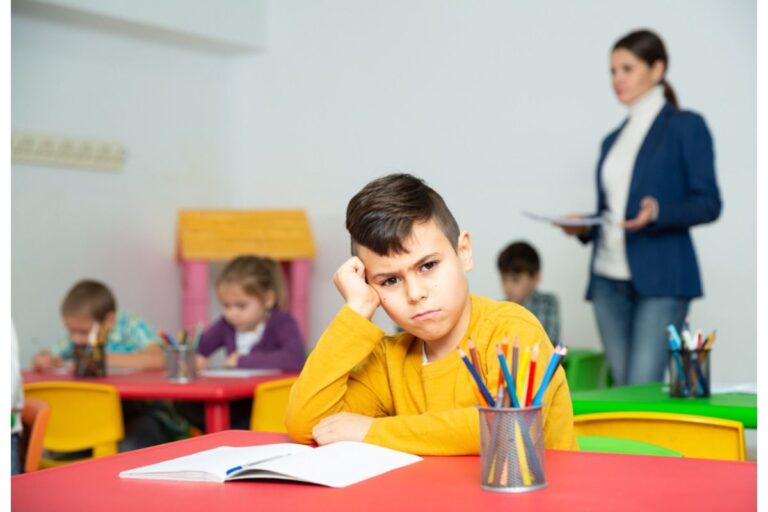
Simple routines, school, home meals, local activities, may begin to feel less interesting by comparison. Even when life is stable and healthy, it can seem dull. The contrast between online and offline experiences grows. Satisfaction becomes harder to maintain. Normal moments lose value.
Kids May Not Recognize Curated Content
Many children don’t fully understand that social media is edited and selective. They may assume what they see is fully real. This makes comparisons feel more accurate than they are. Perception becomes distorted. Reality feels less appealing.
Pressure to Match Lifestyles Can Grow
Some children begin to want similar clothes, experiences, or possessions they see online. This can create pressure at home. Parents may feel they need to explain limits more often. Expectations rise quickly. Wants are shaped externally.
Self-Esteem Can Be Affected
Constant comparison can influence how children view their own life and achievements. They may feel they are missing out or falling behind. This doesn’t always show directly, but it can affect mood. Confidence can fluctuate. Internal pressure builds quietly.
Parents Are Trying to Reframe Reality
Many parents respond by pointing out what is not shown online, effort, money, editing, and staged moments. The goal is to rebuild perspective. Conversations about gratitude and reality become important. Awareness is developed slowly. Understanding takes time.
Reducing Screen Time Isn’t Always Simple
Limiting exposure can help, but social media is deeply integrated into friendships and daily communication. Cutting it off completely is difficult. Balance becomes the focus instead. Guidance replaces restriction. Habits need adjustment.
Offline Experiences Gain New Importance
Families are trying to create meaningful offline moments to balance online influence. Simple activities like outings, hobbies, or shared routines become more valuable. These experiences help ground expectations. Real-life connection matters more. Presence becomes key.
A Wider Cultural Shift in Expectations
This reflects a broader trend where digital lifestyles are reshaping how people define success and happiness. What used to feel normal is constantly compared to highly polished online versions. Standards are shifting upward. Perception is changing. Reality feels different.
As more parents notice this effect, the focus is moving toward helping children understand the difference between online portrayals and real life, so that everyday experiences can still feel meaningful, without constant comparison.