A Parent Says Their Child Was Given a Nickname by Other Kids That Adults Found Funny, but It Didn’t Sit Right at Home

A parent says their child was given a nickname by other kids that some adults found funny, but at home it didn’t feel right, and it’s raised concerns about tone, respect, and how humor is being handled.
Humor Can Land Differently at Home
What sounds harmless or playful in a group setting can feel uncomfortable in a different context. Families often notice nuances others miss. A nickname might carry a tone that doesn’t sit well outside the moment. Humor isn’t universal. Context shapes how it’s received.
Nicknames Can Carry Hidden Meanings
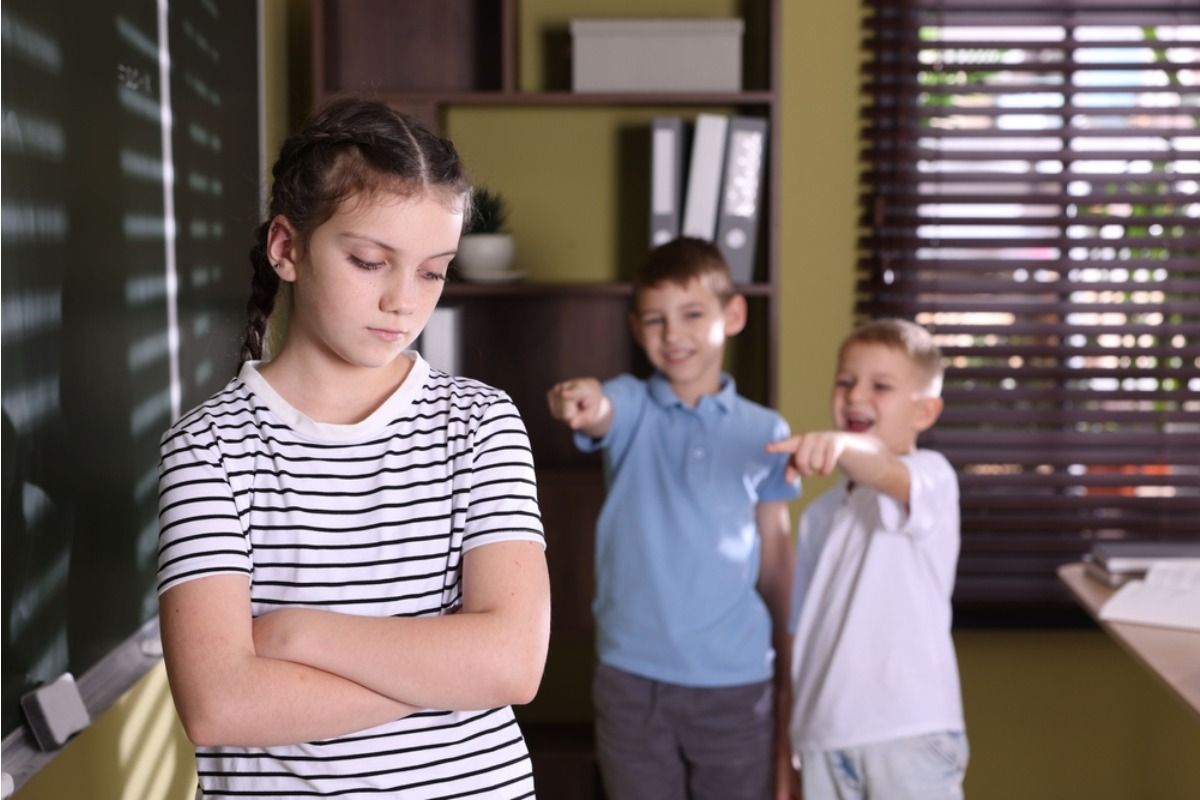
Even if kids intend it as a joke, nicknames can sometimes point to appearance, habits, or personality traits. This can make them feel personal. What starts as light teasing can become labeling. Meaning matters more than intent. Subtle things can stick.
Children May Not Speak Up
Kids often go along with group behavior to fit in, even if they don’t fully like it. They might laugh along or stay quiet. At home, their discomfort can become clearer. Silence doesn’t always mean acceptance. Expression varies by setting.
Adult Reactions Can Reinforce It
When adults laugh or repeat the nickname, it can signal approval. This may encourage it to continue. Even unintended reactions can validate the behavior. Kids notice these cues. Adult response influences group dynamics.
Parents Focus on Emotional Impact
For parents, the main concern is how the child feels about the nickname. If it affects confidence or comfort, it becomes an issue. Emotional impact matters more than whether others find it funny. Well-being comes first. Small things can have lasting effects.
Social Dynamics Play a Role
Nicknames often spread through peer groups quickly. Once established, they can be hard to change. Group identity and belonging influence whether they continue. Social pressure can keep them going. Dynamics matter.
Communication Helps Clarify Feelings
Talking with the child about how they feel is often the first step. Understanding their perspective provides direction. If needed, concerns can be shared with teachers or other parents. Calm discussion can address the issue early. Clarity reduces misunderstanding.
Not All Nicknames Are Negative
Some nicknames are genuinely positive or affectionate. The key difference is how the child experiences it. If it feels respectful and comfortable, it may not be an issue. The child’s reaction is the main indicator. Experience defines impact.
Setting Boundaries Is Important
If a nickname crosses a line, it’s reasonable for parents to set limits and communicate them. Boundaries help guide acceptable behavior. Clear expectations support respect. Consistency helps reinforce them. Limits protect comfort.
A Broader Conversation About Respect
This situation reflects a wider discussion about how humor and peer interaction are handled among children. What is considered “just a joke” is being looked at more closely. Respect and inclusion are becoming priorities. Awareness is growing.
As more parents raise concerns about situations like this, the focus is shifting toward making sure humor among kids remains respectful, and that children feel comfortable, not labeled or singled out, in social settings.