A Parent Says Another Kid Opened Their Child’s Bag and Took Things as a “Joke,” and It Doesn’t Feel Funny at All

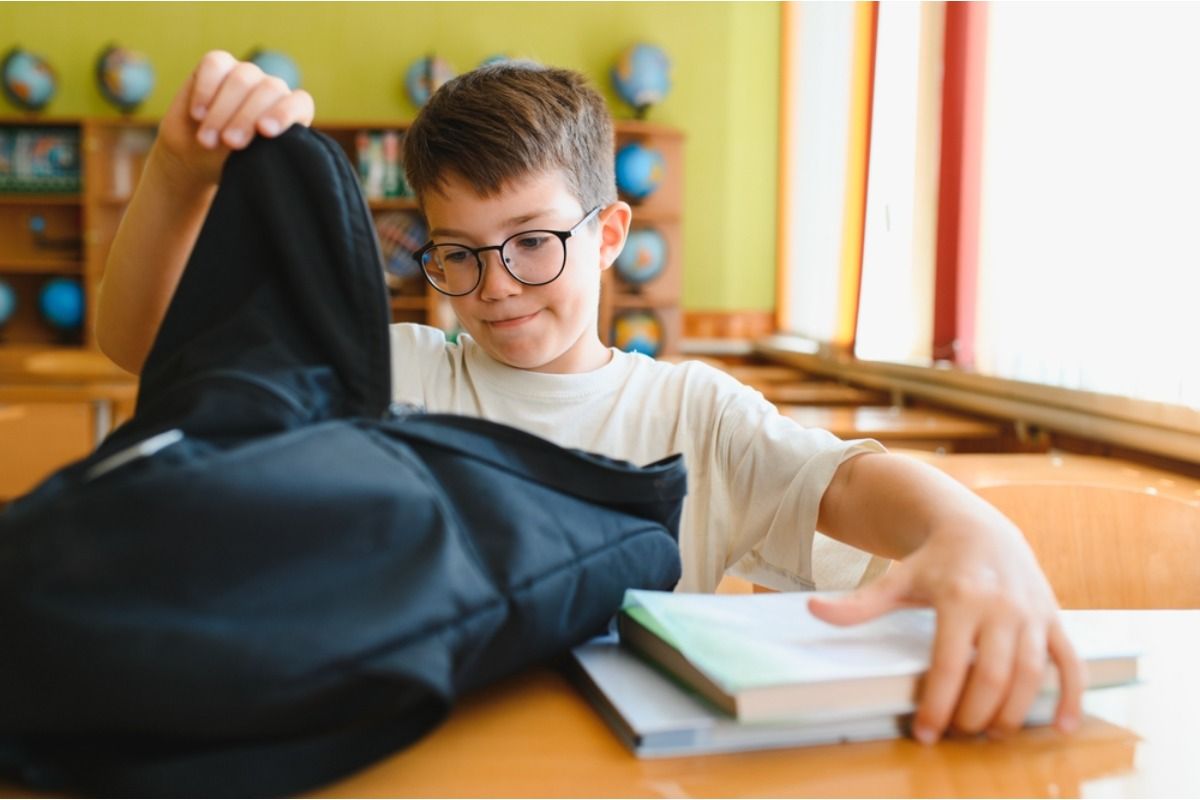
A parent says another child opened their kid’s bag and took items as a “joke,” and it’s raising concerns about boundaries, respect, and how such behavior is handled in school settings.
Personal Boundaries Are Being Tested
Going into someone else’s bag without permission crosses a clear personal boundary. For children, this space often feels private and secure. When that boundary is broken, it can feel invasive. Even if labeled a joke, the action itself matters. Respect for personal belongings is an important lesson. Situations like this highlight where that understanding may be missing.
“Jokes” Don’t Always Feel Harmless
What one child considers funny can feel upsetting or confusing to another. Humor doesn’t always translate the same way between individuals. When belongings are involved, the impact can be stronger. The label of a joke doesn’t remove the effect. Intent and impact can be very different. This gap is often where problems arise.
Trust Between Students Can Be Affected
Incidents like this can make a child feel uneasy around classmates. They may start worrying about their belongings or personal space. Trust takes time to build but can be shaken quickly. Even a single moment can change how safe they feel. Classroom relationships can be affected. Comfort in shared spaces becomes uncertain.
Parents Focus on Respect and Accountability
For many parents, the issue is less about the item taken and more about the behavior itself. They want clear boundaries to be reinforced. Accountability helps children understand consequences. Without it, the behavior may be repeated. Parents often expect schools to address these moments directly. It’s seen as part of social learning.
Children May Not Fully Understand the Impact
The child who took the item may not realize how it felt to the other person. At younger ages, understanding boundaries and empathy is still developing. Actions may be impulsive rather than intentional. This doesn’t remove the effect, but it adds context. Guidance is needed to connect behavior with impact. Learning moments come from situations like this.
Schools Play a Role in Addressing Behavior
Teachers and staff are often responsible for stepping in and resolving these situations. How they respond can shape how both children understand the incident. Clear communication and fair handling are important. Ignoring it can send the wrong message. Addressing it constructively helps prevent repetition. Schools influence behavior standards.
Small Incidents Can Feel Bigger to Kids
What seems minor to adults can feel significant to a child. Personal belongings often carry emotional value. Being touched or taken without permission can feel upsetting. Reactions may be stronger than expected. Emotional responses should not be dismissed. Validation helps children process the situation.
Clear Rules Help Prevent Confusion
When expectations around personal space and belongings are clearly communicated, situations like this are less likely to happen. Children benefit from knowing what is acceptable. Consistency in rules builds understanding. It removes ambiguity. Clear guidelines support respectful behavior.
Communication Between Families and Schools Matters
Parents often want to understand how the situation was handled and what steps were taken. Open communication helps prevent assumptions. It also ensures everyone is aligned on expectations. Without it, frustration can grow. Clarity builds trust. Cooperation improves outcomes.
A Teachable Moment About Respect
Incidents like this can become opportunities to teach empathy, boundaries, and responsibility. With the right guidance, children can learn from the experience. It’s not just about discipline but understanding. These moments shape social behavior. Lessons learned here can last beyond the classroom.
As parents respond to situations like this, the focus is shifting toward reinforcing respect for personal space and helping children understand that not every “joke” feels harmless, especially when it involves someone else’s belongings.