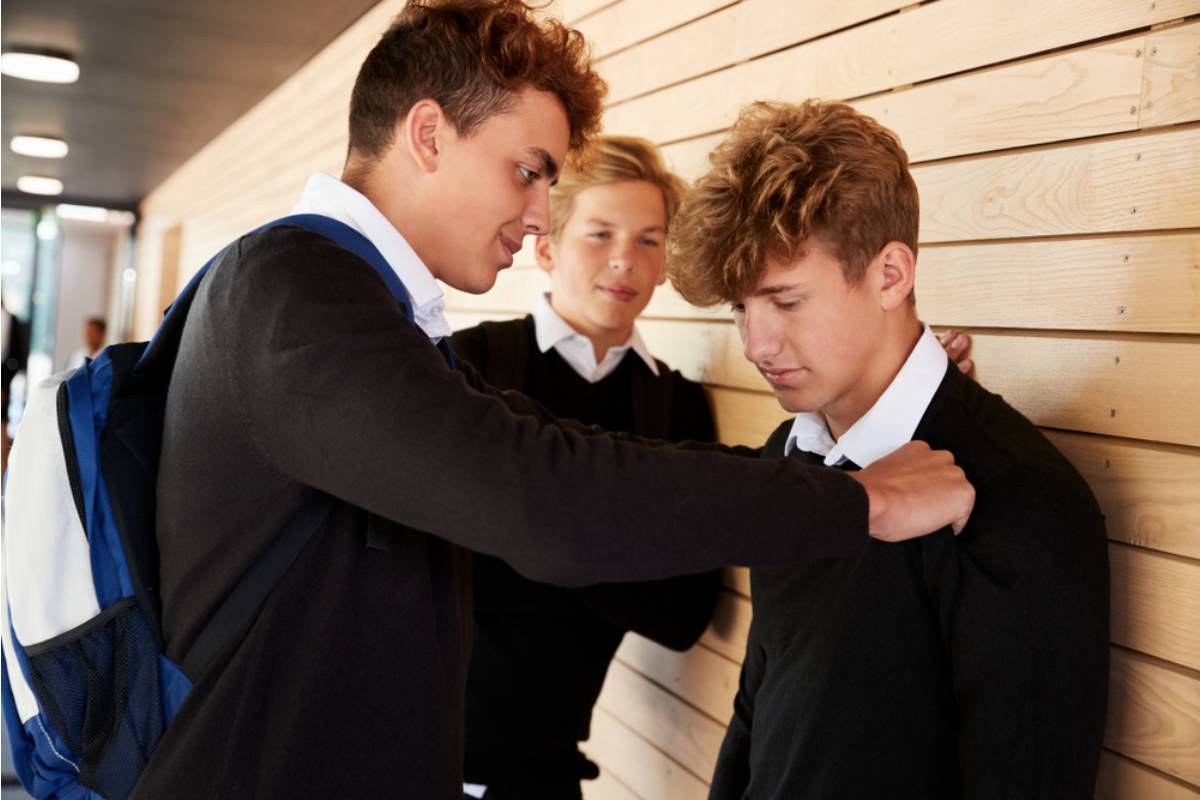
A School Counselor Says a Student Told Her He Hasn’t Told His Parents About Being Bullied Because “They’ll Make It Worse by Getting Involved”

A school counselor at a suburban middle school in the Midwest was finishing her usual afternoon notes when a quiet knock came at her office door. A ninth grade student stepped in slowly, keeping his eyes fixed on the floor and holding his backpack straps like they were the only thing keeping him steady. He asked if he could talk, but only if it stayed between them for now.
After a long pause, he admitted he had been dealing with bullying for months and had not told his parents because he believed they would make things worse by confronting the school. What he said next changed the tone of the entire conversation and set off a chain of decisions that would ripple through the school.
A Quiet Confession Behind a Closed Door
The student finally sat down after the counselor reassured him the space was private. His voice was low, and he kept stopping mid sentence as if testing whether he should continue. He explained that a group of classmates had been targeting him in hallways and during lunch, calling him out in ways that made him avoid entire parts of the school. The counselor listened without interrupting, only asking small questions to help him keep going. What stood out most was not just the bullying, but how convinced he was that adults could not help him safely. He repeated that every time parents got involved in similar situations at his old school, things had escalated.
The Fear of Parental Intervention
As he talked more, it became clear his fear was rooted in past experience rather than imagination. He described a situation years earlier where his parents contacted school staff, and the response made him feel more isolated afterward. He believed that if his parents stepped in now, the other students would retaliate more aggressively. The counselor noticed his hands shaking slightly whenever he mentioned adults contacting each other. She wrote notes carefully but kept her attention on maintaining his trust in the moment. The challenge was balancing his fear with the responsibility to protect him.
Patterns Emerging in the Hallways
After the student left the office, the counselor started quietly checking attendance and behavior reports. She began noticing patterns involving the same group of students being repeatedly sent to detention or flagged for minor incidents. Teachers had written brief comments about hallway disruptions, but nothing had been formally connected. The counselor started to see that the situation might be more organized than isolated teasing. The school had not yet put the pieces together, but the signs were there in scattered reports. It became clear this was not a single incident problem.
A Decision to Observe Before Acting
The counselor decided to spend the next day moving through common student areas during passing periods. She did not announce her purpose, just positioned herself where she could observe interactions. Within a short time, she saw subtle but consistent targeting of the same student she had spoken with. It was not physical confrontation, but it was coordinated enough to isolate him socially. She realized that immediate disciplinary action without careful documentation could make things worse for the student. So she made the difficult decision to gather more evidence before escalating.
A Conversation with a Concerned Teacher
Later that week, one teacher asked the counselor if something was going on with the student because his classroom participation had dropped sharply. The teacher mentioned he seemed anxious every time group work was assigned. The counselor carefully shared only enough to confirm there was a support process in progress. The teacher admitted she had noticed some of the same students repeatedly making comments under their breath. This reinforced the counselor’s concern that the issue was more widespread than first reported. They agreed to quietly monitor without alerting the students involved.
The Student Pulls Back
The following day, the student did not show up during his usual check in time. When the counselor found him at lunch, he was sitting alone near the edge of the cafeteria, avoiding eye contact. He said he regretted talking at all because things felt more tense afterward. He worried that somehow the others had figured out he spoke to an adult. The counselor reassured him that confidentiality was being respected and no names had been shared. Still, his trust seemed slightly shaken, which made the situation more delicate.
Admin Becomes Involved
The counselor brought the case to the assistant principal, carefully presenting documented patterns rather than assumptions. The administrator was initially cautious, questioning whether the behavior met the threshold for formal intervention. There was concern about escalating too quickly without clear evidence of harassment policy violations. The counselor pushed for a structured observation period combined with staff awareness. After discussion, they agreed to a controlled monitoring plan involving specific staff members. It was a compromise that allowed action without immediate public confrontation.
A Retaliation Warning Appears
Within days, the student reported that the tone from certain classmates had shifted. He said comments were more subtle but felt more intentional, as if they were testing how much they could get away with. One teacher independently noted that several students were whispering and laughing whenever the student passed by. The counselor became concerned that awareness of adult attention had already spread among the students involved. This raised the risk that the situation could escalate rather than calm down. The school now had to move carefully to avoid unintended consequences.
Parents Finally Contacted
Despite the student’s fears, the counselor determined that partial parental involvement was necessary for safety planning. When the parents were contacted, they were initially confused and upset that they had not been informed earlier. The student reacted strongly, feeling that his worst fear was coming true. The counselor explained the reasoning and emphasized that the goal was support, not punishment. The parents, once they understood the situation, shifted from frustration to concern. However, the student remained withdrawn after learning they were now involved.
A Structured Support Plan Begins
The school introduced a schedule adjustment so the student could avoid overlapping with the primary group involved. A trusted staff member was assigned as a daily check in point. Teachers were discreetly informed to watch for further incidents without singling out individuals publicly. The counselor worked closely with the student to rebuild trust in the process. Progress was slow, but the immediate pressure in hallways began to ease. The situation was not solved, but it was no longer escalating.
A Key Admission from Another Student
Unexpectedly, another student approached the counselor and admitted they had witnessed much of the behavior. They explained that the group dynamics encouraged participation, even from students who did not fully agree with what was happening. This provided the first outside confirmation of the pattern the counselor had suspected. The information helped the school understand the social structure behind the bullying. It also shifted the response from individual discipline to group behavior intervention. This was a turning point in how the administration viewed the situation.
The School Holds a Controlled Intervention
Instead of a public confrontation, the school conducted private meetings with each involved student. The focus was on behavior expectations and impact rather than accusation. Some students denied intent, while others admitted they had gone along with the group. The counselor ensured the original student was not identified in any of the discussions. Over time, the frequency of incidents decreased noticeably. The environment did not transform overnight, but it stopped intensifying.
A Hard but Steady Resolution
Weeks later, the student returned to the counselor’s office with a more stable presence. He said things were not perfect, but the constant pressure had eased enough for him to focus in class again. He admitted he still struggled with trust but felt relieved that he had not stayed silent. The counselor reflected on how close the situation had come to going unreported entirely. The case reinforced how complicated student fears can be when past experiences shape present decisions. What began as a quiet confession ended as a slow rebuilding of safety and trust within the school.