A School Nurse Says a Student Told Her She Counts the Hours Until School Starts Because It’s the Only Place She Feels Like a Regular Kid

Most students count the hours until the final bell rings so they can head home. Few people imagine a child doing the exact opposite. One quiet conversation inside a school health office revealed a reality that no one on staff had fully understood. What sounded like a heartbreaking confession slowly uncovered a story of resilience, hidden responsibilities, and the unexpected role a school played in giving one student the chance to simply be herself.
A Visit That Had Nothing to Do With Feeling Sick
School nurse Mrs. Hernandez expected to see eighth grader Grace because of a minor headache. Grace had visited the health office a few times before, usually for simple reasons that were resolved within minutes. As Mrs. Hernandez handed her a cup of water, she casually asked whether she was looking forward to the weekend. Grace gave a small smile and quietly said, “Not really.” The answer immediately caught the nurse’s attention.
One Honest Sentence Changed Everything
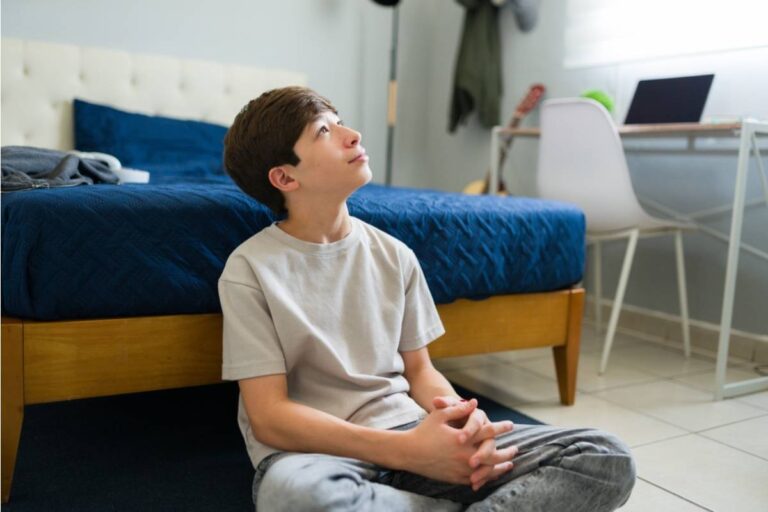
Mrs. Hernandez gently asked why the weekend did not sound exciting. Grace hesitated before admitting she counted the hours until school started every Monday morning. She explained that school was the only place where she felt like a regular kid instead of someone responsible for everyone else. The words came out calmly, almost as if she had been carrying them for a very long time. Mrs. Hernandez knew there was much more behind that statement.
Responsibilities Waiting at Home
Grace explained that her mother worked long shifts while caring for her grandfather, whose health had steadily declined. After school and on weekends, Grace helped prepare meals, supervised her younger twin brothers, and reminded her grandfather to take his medication. She loved her family deeply and never complained to them about helping. Still, she admitted there were moments when she forgot what it felt like to simply be thirteen years old.
The Hallways Felt Like Freedom
When Grace described school, her expression completely changed. She talked about laughing with friends between classes, answering questions in science, and eating lunch without worrying about anyone else’s schedule. Those ordinary moments meant far more to her than most students realized. At school, she did not have to solve adult problems before finishing her homework. She could simply focus on being a student.
A Teacher Had Already Noticed Something
Mrs. Hernandez quietly spoke with Grace’s homeroom teacher while respecting her privacy. The teacher admitted Grace often volunteered to stay after class and organize classroom materials. She had assumed Grace simply enjoyed helping. Looking back, she realized Grace never seemed eager to rush home at the end of the day. That small pattern suddenly carried a completely different meaning.
An Invitation Grace Almost Declined
A classmate named Olivia invited Grace to spend Saturday afternoon at her house. Grace thanked her but immediately said she probably could not come. Olivia asked if she already had plans. Grace simply replied, “I usually have responsibilities.” The conversation ended politely, but Olivia later mentioned it to Mrs. Hernandez after noticing how disappointed Grace looked while saying no.
A Careful Conversation With Her Mother
Before making assumptions, Mrs. Hernandez contacted Grace’s mother and invited her to school for a meeting. Grace’s mother arrived looking exhausted and immediately worried that her daughter had gotten into trouble. Instead, she listened quietly as the nurse described how much pressure Grace seemed to be carrying. Tears filled her eyes before she admitted she never realized her daughter felt responsible every moment she was at home.
A Secret Grace Never Shared
During the meeting, Grace admitted she intentionally hid how overwhelmed she sometimes felt. She believed telling her mother would only create more guilt because everyone in the family was already doing their best. She worried that asking for less responsibility would sound selfish. Her mother reached across the table and took her hand. She quietly said, “I never wanted you to feel like you had to protect me.”
Neighbors Stepped In Unexpectedly
After speaking with close family friends, Grace’s mother accepted help she had been refusing for months. A neighbor offered to watch the twins one afternoon each week. Another family volunteered to bring dinner occasionally when medical appointments became overwhelming. None of the offers solved every problem, but they gave Grace small pockets of time that had never existed before. She finally had a chance to breathe.
The First Free Saturday Felt Strange
When Grace accepted Olivia’s invitation a few weeks later, she kept checking her phone out of habit. She worried someone at home would suddenly need her. Instead, the afternoon passed with board games, homemade cookies, and laughter. On the ride home, Grace admitted she had forgotten what it felt like to spend several hours without constantly thinking about someone else’s needs. It was both joyful and unfamiliar.
School Began Looking Different Too
Grace no longer counted the hours until Monday with the same desperation. She still loved being at school, but home slowly became less overwhelming because responsibilities were shared more fairly. Teachers noticed she seemed more relaxed during group projects and class discussions. Even her friends commented that she laughed more often than before. The change was noticeable without anyone needing to point it out.
A Nurse Shared the Lesson With Staff
At a faculty meeting, Mrs. Hernandez described the situation without revealing Grace’s identity. She reminded teachers that students who appear exceptionally mature may sometimes be carrying invisible responsibilities outside the classroom. She encouraged staff to ask gentle questions instead of assuming quiet children were simply independent. Several teachers later admitted they had started paying closer attention to subtle signs they once overlooked.
A Different Way of Measuring Childhood
Months later, Grace stopped by the health office for a routine visit. Before leaving, she smiled and told Mrs. Hernandez she still loved coming to school, but she no longer wished weekends would disappear. Home had become a place where she could finally relax instead of feeling responsible for everything. Mrs. Hernandez watched her walk back down the hallway and realized that sometimes the greatest success is not improving a student’s grades. Sometimes it is helping a child rediscover what it feels like to simply be a kid again.