Dad Says He Refused to Let His Son’s Coach Compare Him Out Loud to His Older Brother Who Played on the Same Team Two Years Earlier

Every family hopes that children will have the chance to build their own identities, especially when they share the same interests as an older sibling. Sometimes that becomes difficult when teachers, neighbors, or coaches remember the older child so well that every achievement becomes a comparison instead of a fresh start.
One father realized just how damaging those comparisons could be after watching his younger son struggle through the first weeks of a new sports season. What looked like ordinary coaching from the sidelines slowly turned into something that affected the entire team. The situation reached a point where staying silent no longer felt like an option.
Stepping Onto a Familiar Field
Twelve year old Noah was excited for his first practice with the community baseball team. His older brother, Tyler, had played for the same coach two years earlier and had become one of the league’s strongest pitchers. People still talked about Tyler’s championship season whenever baseball came up.
Noah admired his brother, but he also hoped nobody would expect him to be the same player. He wanted to earn his place through his own effort.
The First Comparison Came Quickly
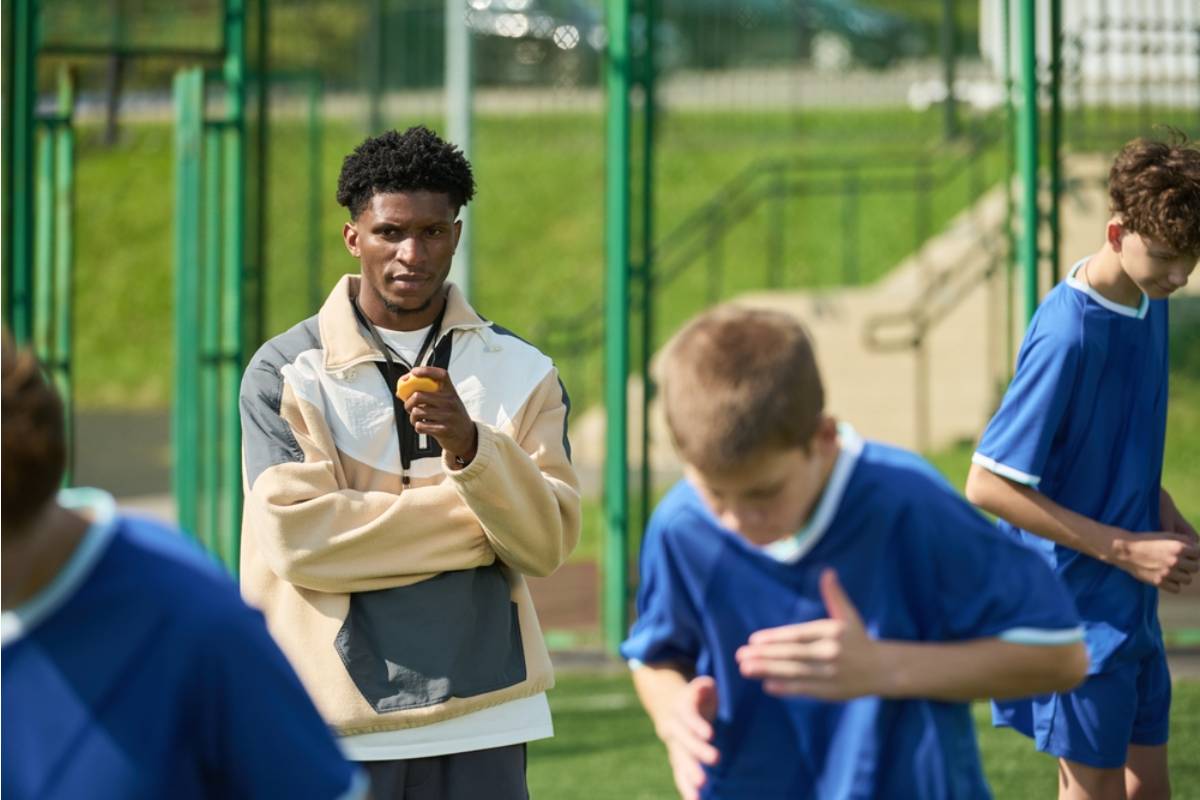
During warmups, Coach Reynolds watched Noah throw several practice balls across the field. He nodded before saying loudly enough for nearby players and parents to hear, “Your brother had a much stronger arm at your age.”
Several teammates turned toward Noah.
He forced a smile, picked up another baseball, and kept throwing even though his confidence had already taken a hit.
Comments Became Part of Every Practice
As the weeks passed, the comparisons continued.
When Noah missed a catch, Coach Reynolds would say, “Tyler would have reached that.”
When Noah hesitated at the plate, the coach reminded everyone how fearless his older brother had been.
At first the comments sounded harmless to some parents, but Noah heard them as constant reminders that he was falling short before he had even been given the chance to improve.
Confidence Started to Slip Away
At home Noah stopped talking about baseball altogether.
His mother noticed that his glove remained untouched between practices, something that had never happened before. Instead of practicing throws in the backyard, he spent evenings inside reading or playing video games.
His father, Mark, asked if everything was okay.
Noah quietly replied, “Maybe Coach wishes Tyler was still on the team.”
Tyler Noticed Something Was Wrong
One afternoon Tyler asked his younger brother if he wanted to practice pitching together.
To his surprise, Noah declined.
When Tyler pressed for an explanation, Noah admitted that every mistake seemed to remind Coach Reynolds of the older brother everyone expected him to become.
Tyler looked genuinely upset.
“I never wanted my season to make yours harder,” he said.
Parents Began Seeing the Pattern
During the next game Mark paid closer attention.
He realized the comparisons were happening almost every inning. They were not private coaching tips either. They were loud enough for players on both teams and families in the bleachers to hear.
Other children had even started joining in.
One teammate joked, “Maybe Tyler should come back.”
The comment earned a few laughs, but Noah looked down at the dirt instead of responding.
A Private Conversation After Practice
Rather than confronting the coach in front of everyone, Mark waited until practice ended.
He calmly introduced the subject.
I appreciate the time you spend coaching these kids,” he began. “But I need to ask that Noah not be compared to his brother anymore.”
Coach Reynolds looked surprised.
“I thought mentioning Tyler would motivate him,” he replied.
Mark shook his head.
“It’s doing the opposite.”
The Coach Defended His Approach
Coach Reynolds explained that he often used examples from former players to teach younger athletes.
He insisted there was no intention to embarrass Noah.
Mark understood the explanation but pointed out one important difference.
“Tyler isn’t just another former player. He’s Noah’s brother. Every comparison feels personal because they’re already connected.”
The coach became noticeably quieter after hearing that.
An Unexpected Practice Drill
At the next practice Coach Reynolds introduced a new activity.
Instead of comparing players to one another, each child competed only against their own previous performance. The coach tracked improvements in throwing accuracy, fielding, and hitting over several weeks.
Players began celebrating personal progress rather than trying to imitate someone else.
Noah smiled more during that single practice than he had in the previous month.
A Mistake Changed the Coach’s Perspective
A few days later another player dropped an easy fly ball.
Coach Reynolds almost began another comparison before stopping himself mid sentence.
Instead he said, “Let’s work on your footwork. I know you can improve.”
Several parents noticed the change immediately.
The correction focused on the player’s future instead of someone else’s past.
The atmosphere around the team became noticeably more encouraging.
Tyler Offered Advice Nobody Expected
Before one weekend game Tyler surprised everyone by attending to cheer for his brother.
Rather than giving technical instructions, he simply reminded Noah to enjoy playing.
He laughed and admitted that he had made countless mistakes during his own first season, including striking out several times before becoming a stronger hitter.
Noah had never heard those stories before.
For the first time, his brother sounded less like a legend and more like someone who had learned through failure.
A Game That Changed Everything
Late in the season Noah stepped to the plate with runners on base.
Earlier in the year he probably would have been thinking about Tyler.
This time he focused only on the pitch in front of him.
He connected with the ball and drove it into the outfield, bringing home two runners.
As he reached first base, Coach Reynolds clapped loudly.
“Great swing, Noah. That’s your best hit all season.”
No comparisons followed.
A Team Learned an Important Lesson
After the game Coach Reynolds gathered the players before everyone headed home.
He admitted that coaches sometimes forget how powerful their words can be.
He explained that every player deserved to be recognized for their own growth instead of being measured against someone else’s accomplishments.
Several parents later thanked him for addressing the issue openly.
The conversation helped everyone understand that encouragement and comparison were not the same thing.
Watching Two Brothers Stand Side by Side
When the season ended, Tyler and Noah stood together for the team photo.
Someone jokingly asked which brother was the better player.
Before anyone else could answer, Coach Reynolds smiled and said, “They’re different players, and that’s exactly how it should be.”
Mark glanced toward Noah and saw genuine pride on his son’s face.
He was no longer trying to live up to someone else’s reputation. He was building his own. Looking back, Mark never regretted speaking up when he did. The conversation was uncomfortable, but it changed more than one player’s experience. It reminded coaches, parents, and teammates that children grow best when they are encouraged to become the best version of themselves, not a copy of someone who came before them. Sometimes the greatest victory has nothing to do with the scoreboard. It comes from giving a child the freedom to write their own story.