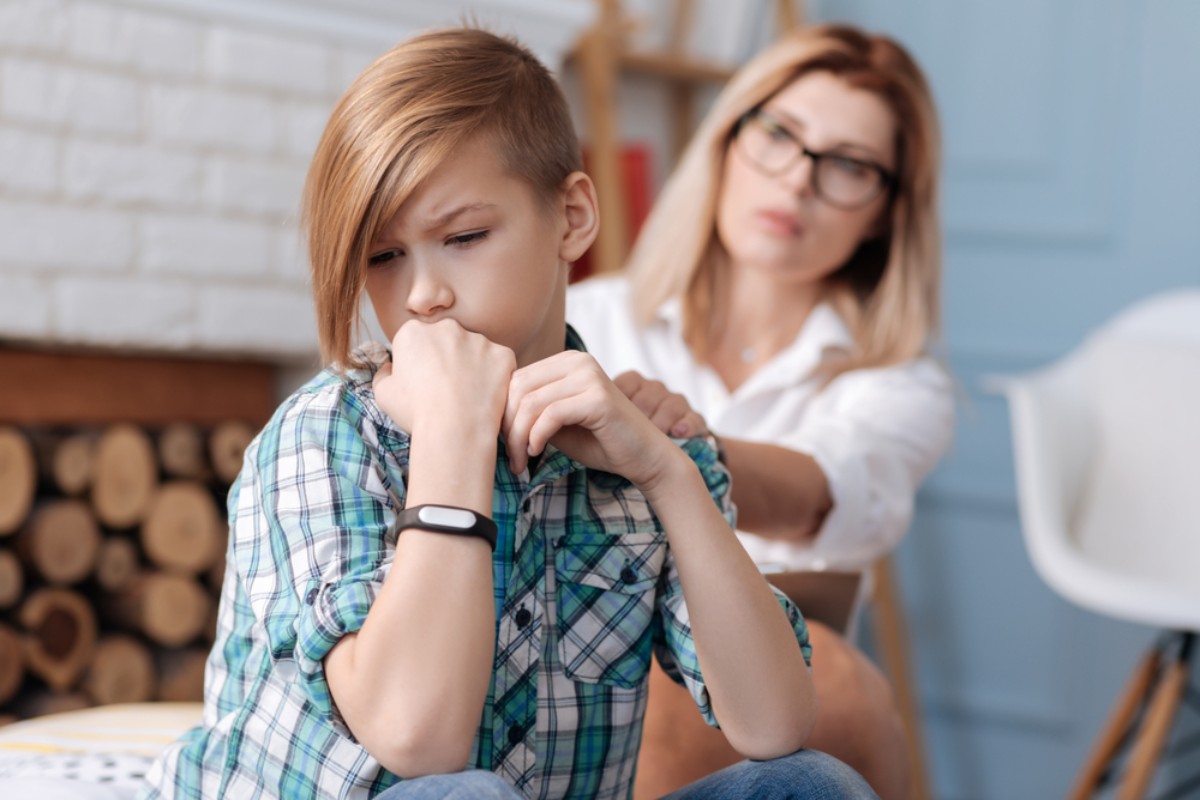
Experts Warn Some Kids Are Struggling With Emotional Regulation Earlier Than Expected

As parents, we often seek to understand the emotional landscape our children navigate daily. Recent insights reveal that many kids are facing challenges with emotional regulation at younger ages than previously thought. This shift highlights the importance of recognizing and addressing these struggles early on, as they can significantly impact a child’s development and well-being.
Understanding Emotional Regulation
Emotional regulation refers to the ability to manage and respond to emotional experiences in a healthy way. It involves recognizing one’s feelings, understanding their triggers, and finding appropriate ways to express them. Experts have noted that children are increasingly showing signs of difficulty in this area, which can manifest as heightened anxiety, frustration, or even aggression. This trend is concerning because emotional regulation is crucial for social interactions, academic success, and overall mental health.
The source indicates that children are now exhibiting these challenges as early as preschool age. This earlier onset can be attributed to various factors, including increased exposure to stressors such as family dynamics, societal pressures, and even the impact of technology. Parents may notice that their children are struggling to cope with emotions that would have typically been managed more effectively at older ages.
Signs of Struggling with Emotional Regulation
Recognizing the signs that your child may be struggling with emotional regulation is essential for timely intervention. Some common indicators include:
Frequent tantrums or outbursts that seem disproportionate to the situation.
Difficulty calming down after becoming upset.
Trouble expressing feelings verbally, leading to physical expressions of frustration.
Increased anxiety or withdrawal in social situations.
A tendency to blame others for their emotional responses instead of taking responsibility.
These behaviors can be distressing for both the child and the parent. It’s important to approach these situations with empathy and understanding, rather than frustration or judgment. A calm and supportive environment can help children feel safe enough to express their emotions and learn how to manage them effectively.
Strategies for Supporting Emotional Regulation
Parents play a crucial role in helping their children develop emotional regulation skills. Here are some strategies that can be beneficial:
1. Model Healthy Emotional Responses: Children learn by observing their parents. By demonstrating how to handle emotions calmly and constructively, you can provide a blueprint for your child. Share your feelings and how you cope with them, explaining the steps you take to manage your emotions.
2. Encourage Open Communication: Create a safe space for your child to express their feelings without fear of judgment. Ask open-ended questions about their day and how they felt in different situations. This practice helps them articulate their emotions and understand that it’s okay to feel a range of feelings.
3. Teach Coping Strategies: Introduce your child to various coping techniques, such as deep breathing, counting to ten, or using a stress ball. Practicing these strategies together can empower your child to use them when they feel overwhelmed.
4. Establish Routines: Consistent daily routines can provide a sense of security for children. Knowing what to expect can reduce anxiety and help them feel more in control of their emotions.
5. Seek Professional Help if Needed: If you notice persistent difficulties with emotional regulation that interfere with your child’s daily life, consider consulting a mental health professional. Early intervention can make a significant difference in helping your child develop the skills they need to manage their emotions effectively.
By implementing these strategies, parents can foster an environment that nurtures emotional growth and resilience. It’s important to remember that developing emotional regulation is a process, and each child will progress at their own pace.
The Role of Schools and Communities
Schools and communities also have a vital role in supporting emotional regulation among children. Educational institutions are increasingly recognizing the importance of social-emotional learning (SEL) programs, which teach children skills such as empathy, self-awareness, and emotional management. These programs can complement the efforts parents make at home and provide children with additional tools to navigate their emotions.
Community resources, such as support groups and workshops, can also be beneficial for parents seeking guidance on how to help their children. Connecting with other families facing similar challenges can provide reassurance and new strategies for managing emotional regulation.
As we move forward, it’s crucial to remain aware of the emotional needs of our children. By fostering open communication, modeling healthy emotional responses, and utilizing available resources, we can help our children develop the skills they need to thrive emotionally.