Demotris Smallwood Was a Nursing Student and a Mom When a Tear in a Heart Artery Left Her Heart Failing. A Pump Is Keeping Her Here for Her Daughter’s Senior Year.

A year ago, Demotris Smallwood’s Thanksgiving week was full of ordinary plans. She was a nursing student, a wife and a mom to a daughter about to start her senior year of high school, and she was getting ready for dinner with a friend and thinking about the holidays.
Then a tear formed inside one of the arteries that feed her heart. Within days, the conversations around her had shifted from school and family to how to save her life, according to a Nov. 23 patient story from Atrium Health.
A Tear Inside a Heart Artery
Smallwood had a spontaneous coronary artery dissection, or SCAD. The Mayo Clinic calls it “an emergency condition” in which a tear in the wall of a heart artery slows or blocks blood flow to the heart. It can cause a heart attack, irregular heartbeats or sudden death.
SCAD most commonly affects women in their 40s and 50s, Mayo says, but it can happen at any age, and often in people who have none of the usual risk factors such as high blood pressure, high cholesterol or diabetes. When a damaged heart can no longer pump enough blood to meet the body’s needs, doctors call it heart failure, which the National Library of Medicine’s MedlinePlus describes for patients and families.
The warning signs Mayo lists include chest pain or pressure, pain in the arms, shoulders, back or jaw, shortness of breath, unusual sweating, extreme tiredness, an upset stomach, a rapid or fluttery heartbeat and dizziness. Anyone with chest pain or a suspected heart attack should call 911, the clinic says, even when the person does not think they are at risk.
‘Her Heart Was Not Getting Better’
The SCAD left Smallwood’s heart severely weakened. Doctors first supported it with a temporary mechanical pump, but she did not improve.
“Her heart was not getting better,” said Dr. Barbara Pisani, medical director of the ventricular assist device program at Atrium Health Wake Forest Baptist.
A heart transplant was not the best option right away. Antibodies in Smallwood’s body raised the risk that a donor heart would be rejected, Atrium Health said. Instead, her team recommended a left ventricular assist device, or LVAD.
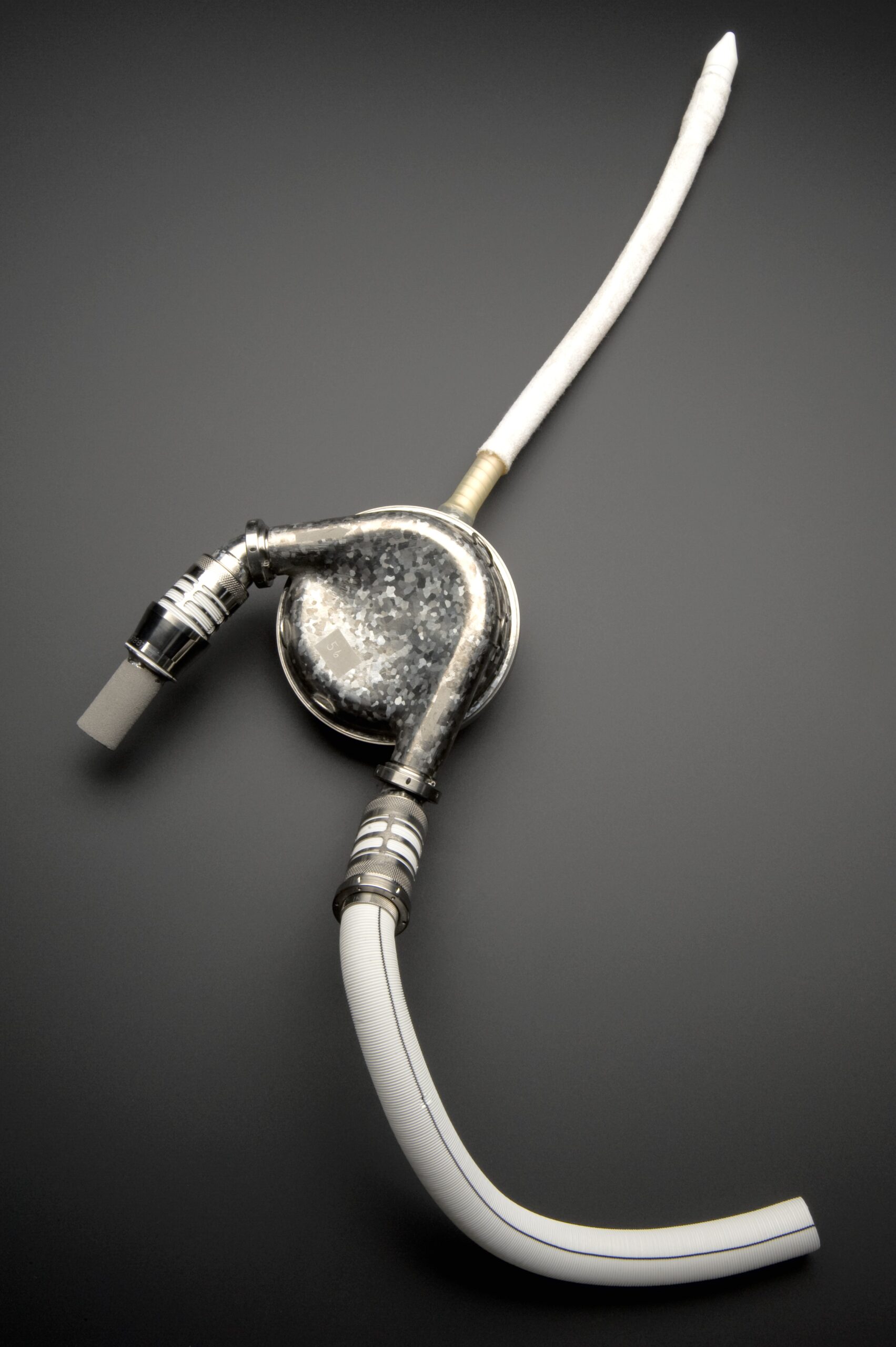
The Mayo Clinic explains that a ventricular assist device “is used to treat a weakened heart or heart failure.” An LVAD is placed in the chest and moves blood from the heart’s left ventricle to the rest of the body, powered by a controller and battery pack connected through a port in the skin. For some patients it is a bridge while they wait for a donor heart. For others who cannot receive a transplant, it becomes long-term treatment, which doctors call destination therapy.
Prom, Graduation and Her Daughter’s Senior Year
At first, Smallwood focused on what the device would take from her, especially swimming. Her care team helped her look at what she could gain instead: finishing nursing school, more time with her family and her daughter’s senior year.
Smallwood said she wanted to be there for graduation and for prom, and to spend time with her daughter.
She received the LVAD in January 2026.
Grateful and Grieving at the Same Time
Nearly a year later, Smallwood describes two feelings living side by side. “Two things can be true at the same time,” she said, describing how she feels grateful while also grieving the things she will miss.
Her goals now are simple ones: Thanksgiving with her family, going back to school and watching her daughter reach prom and graduation.
She told Atrium Health she believes she is here for a reason, and she credits the LVAD with giving her a second chance.
Her story comes as Atrium Health Wake Forest Baptist marks 30 years since it implanted its first VAD in 1996. The program has helped save 227 lives over that time, according to the hospital.
Smallwood’s case is a reminder of a broader point from the Centers for Disease Control and Prevention: “Heart disease is the leading cause of death for women in the United States and can affect women at any age.”
Get stories like this by email. Sign up for The Parent Diaries Letter.
This article was produced with AI assistance and edited for accuracy against the sources linked above.
Image: Wellcome Collection, CC BY 4.0, via Wikimedia Commons