Parents Are Sharing What “Screams Bad Parenting,” And Some Say It’s More Common Than People Want to Admit

A recent Reddit thread asked users to list behaviors that immediately scream “bad parenting,” and the answers poured in with surprising bluntness. What started as a pile-on of cringe-inducing anecdotes quickly became a catalog of patterns many readers recognized from grocery-store run-ins, school pickup lines and social feeds. The examples range from clearly dangerous lapses to quieter, more corrosive habits, the kind that don’t make headlines but quietly shape children’s sense of safety, respect and self-worth.
When Supervision Slides into Neglect
One of the themes that dominated the conversation was simple: when parents stop supervising, bad things happen fast. Commenters described situations where children were left unattended in public places, playing near busy streets, climbing furniture in crowded restaurants, or roaming unsafely through stores while caregivers scrolled on their phones. These anecdotes are less about deliberate cruelty and more about attention being pulled elsewhere, but Redditors were unanimous that the result feels like neglect. The emotional charge comes from imagining the worst: a near miss at a crosswalk, a pushed toddler, or a scraped child who received no comfort or guidance afterward.
Safety Shortcuts That Aren’t Worth It
Closely tied to supervision are the safety shortcuts people called out. Failing to use car seats or seat belts, allowing children to ride in unsafe situations, or smoking and drinking in proximity to kids were repeatedly flagged as red flags. Commenters framed these as not just bad choices but betrayals of the basic duty to protect a child’s body. When a parent treats safety as optional, it reverberates beyond one moment, it communicates uncertainty about what the child’s life is worth, and it creates risks that are entirely preventable.
Manners, Boundaries and the Cost of Entitlement
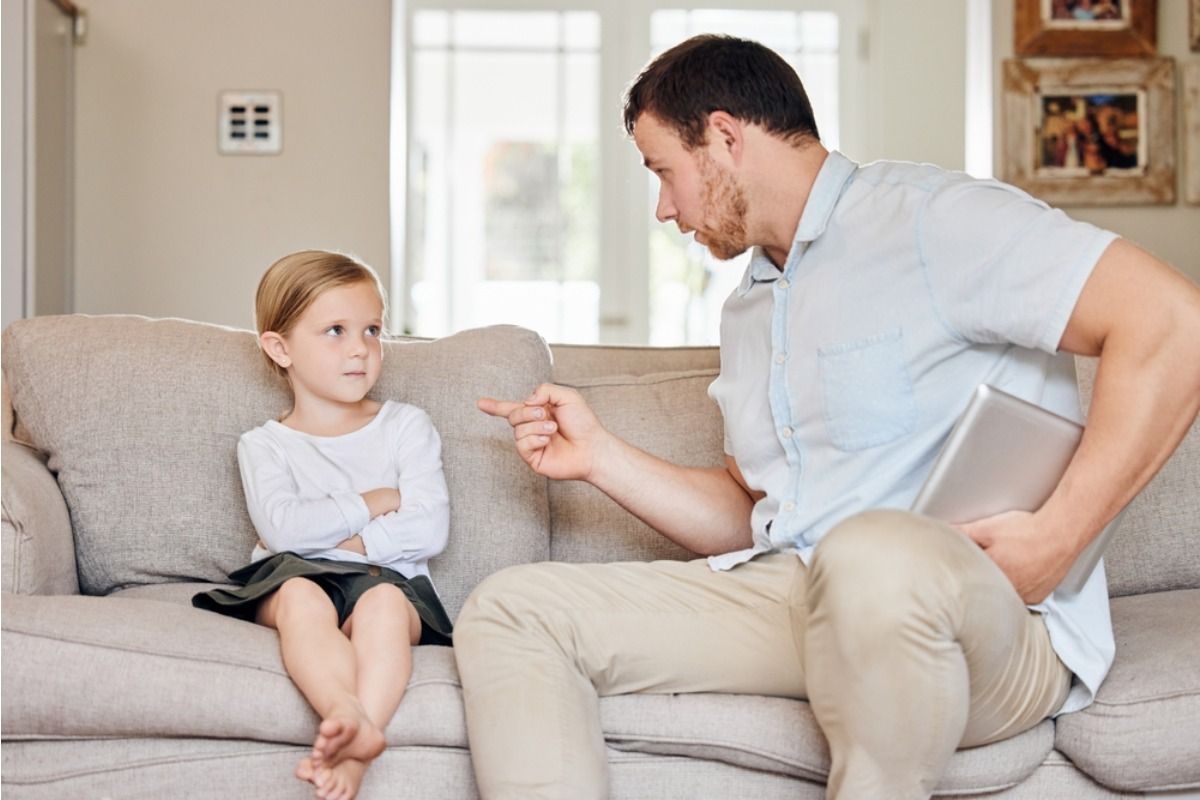
Another cluster of complaints focused on discipline, or the lack of it. Users described children permitted to shout, grab, and interrupt without consequences, or who were allowed to behave in ways that humiliate others in public. These stories often came with a moral sting: a child acting out is rarely purely the child’s fault. Parents who consistently fail to model or enforce basic manners teach entitlement. Over time this can erode a child’s ability to form healthy relationships and to navigate social norms that protect them as much as they protect others.
The Social Media Problem: Children as Content
One of the most modern concerns raised was the use of children for viral content. Redditors criticized parents who post humiliating videos, overshare personal family drama, or stage scenes that prioritize clout over a child’s dignity. This behavior may win likes, but it comes with real costs: privacy erosion, possible humiliation over time, and the commodification of a child’s life. Commenters also noted a subtler dynamic where performance and attention-seeking replace genuine parenting, leaving behind unresolved behavior and emotional needs.
Small Hygienic and Respectful Slights That Add Up
Not every transgression is dramatic, but commenters pointed out that small, consistent slights speak loudly. Letting children run barefoot in unsanitary places, refusing to clean up after them, or allowing them to scream and harangue staff without apology can feel “trashy” because it shows a lack of respect for shared spaces. These acts matter because they teach children how to treat other people and themselves. The accumulation of small disrespectful choices leads to larger problems in school, friendships and future workplaces.
What Parents Can Take From This
There’s a harshness to some of the Reddit reactions, but the underlying lessons are practical and salvageable. First, prioritize safety: consistent use of car seats, attentive supervision, and basic hazard avoidance are non-negotiable. Second, model and enforce boundaries with calm consistency; children learn behavioral limits from what we tolerate as much as from what we preach. Third, think twice before posting: ask whether content respects a child’s privacy and future dignity. Fourth, small acts of courtesy and hygiene signal respect for others and form habits that will serve children their whole lives. Finally, if you’ve made mistakes, apologize and course-correct, owning up to errors teaches accountability and rebuilds trust.
These Reddit stories aren’t a parenting manual, but they are a mirror. Many of the behaviors people identified are avoidable, and many harms are reversible. The takeaways are straightforward: protect your child’s body, their privacy, and their ability to live among others with respect. Do that, and you’ll have already done the hardest, most important work of parenting.