NICU Nurse Says More Parents Are Refusing Vitamin K for Newborns, Now She’s Warning “This Can Turn Bad Fast”

Newborns, a simple injection and a nurse’s alarm: why one NICU worker is pleading with parents
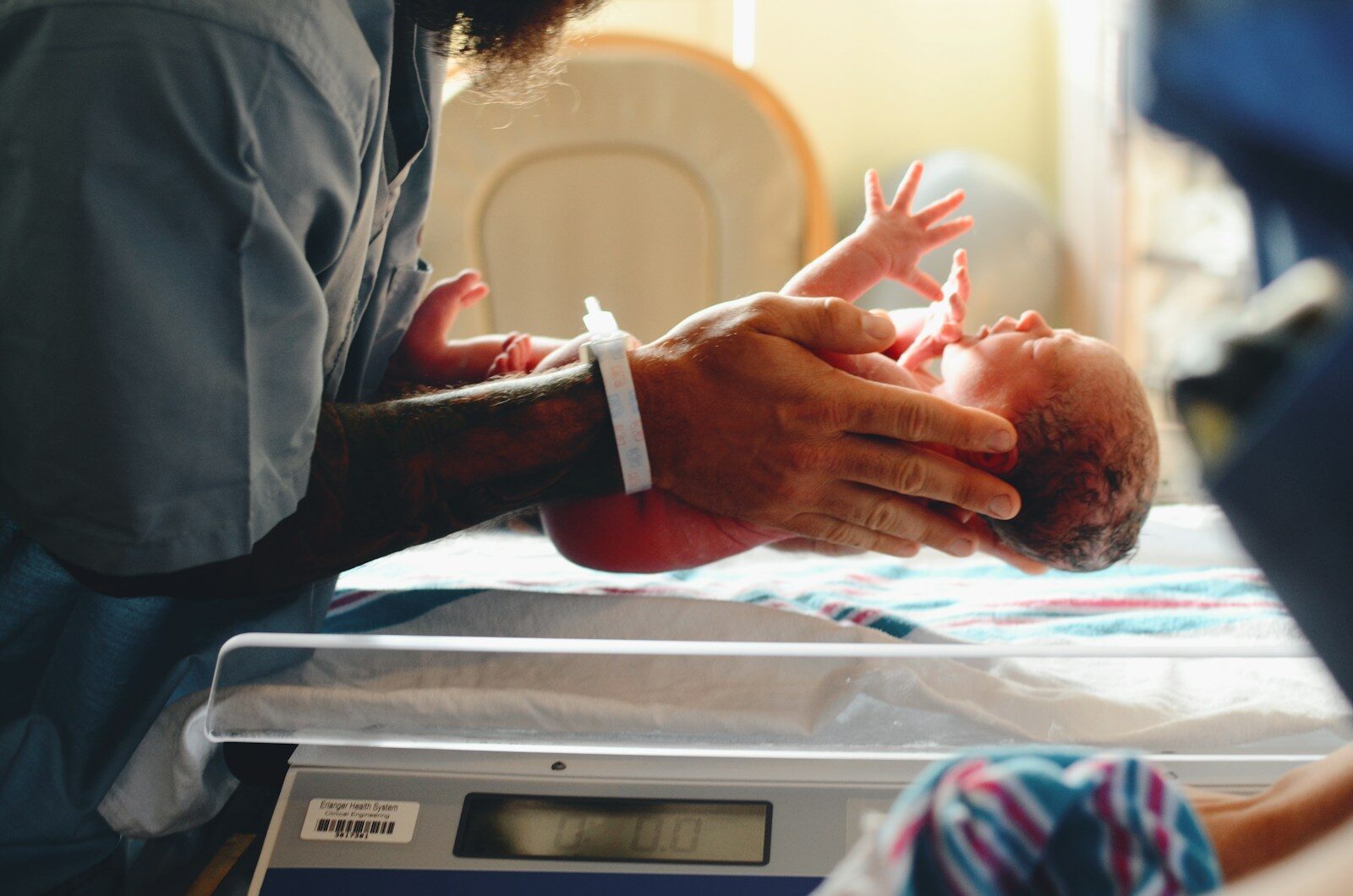
A NICU nurse recently took to Reddit to vent a growing worry: more parents are refusing the newborn vitamin K shot, and she says the consequences can be immediate and severe. “This can turn bad fast,” she warned in a post that struck a chord with other clinicians and parents alike. The comment thread that followed underscored a clash between parental choice, misinformation and the frontline reality of caring for fragile infants.
What vitamin K does and why it matters in the first days
Vitamin K is a routine injection given to most newborns shortly after birth to prevent vitamin K deficiency bleeding (VKDB), a rare but serious condition that can cause internal bleeding, including in the brain. Newborns are naturally low in vitamin K because it doesn’t cross the placenta well and their guts haven’t yet developed the bacteria that help make it. Without prophylaxis, the risk of bleeding — sometimes life-threatening or causing long-term neurological damage — rises.
Why some parents refuse and where the fear comes from
The nurse’s Reddit post captured frustration at a tide of skepticism that mirrors vaccine hesitancy: concerns about additives, a desire for “natural” medicine, fear of needles, and misinformation shared online. Some parents ask for oral vitamin K or decline any intervention altogether. While parental autonomy is important, the nurse and many pediatric experts argue that refusing this single-dose, evidence-backed preventive measure is not the same as an informed choice — often it’s the product of incomplete or inaccurate information.
What clinicians are seeing in the NICU
On the front lines, NICU staff see the worst-case outcomes that public debates can obscure. The nurse’s account — blunt and emotional — reflects how quickly a well newborn can become critically ill when bleeding occurs. Even when bleeding is caught early, the treatments can be invasive and the outcomes uncertain. That reality fuels the urgency in clinicians’ appeals: vitamin K is simple, low-cost and effective; it prevents harm that, once begun, can be difficult or impossible to reverse.
Balancing respect, information and the ethics of refusal
Healthcare providers increasingly find themselves navigating the tension between respecting parental decisions and advocating for clear, evidence-based care. Most hospitals require healthcare teams to document informed refusal, and staff often attempt to provide education about the risks and alternatives. Some parents accept oral vitamin K when offered, but clinicians note that oral regimens may be less reliable unless given in strict, repeat doses. The nurse’s plea highlights the ethical weight of these conversations: when refusing care could expose a newborn to severe harm, how do clinicians protect the child while honoring family autonomy?
What Parents Can Take From This
If you’re expecting and feel conflicted about vitamin K, start the conversation early. Ask your care team for clear, written information that explains what vitamin K does, the risks of refusing it, and the differences between intramuscular and oral options. Request to speak with a pediatrician or NICU nurse before delivery so you have time to consider the evidence without pressure. If you’re worried about ingredients or immediate side effects, raise those concerns directly; most hospitals will explain the composition and safety data. Finally, remember that the choice you make in the delivery room can have irreversible consequences for your child. Clinicians are urging parents to treat vitamin K not as an optional add-on but as a preventive measure grounded in decades of data — and as something that, in a matter of hours or days, could mean the difference between a healthy start and a medical emergency.
More from Parent Diaries: