Son Says He Refused to Walk a New Family Dog He Didn’t Want, but His Parents Expect Him to Do It Anyway “It’s Not My Responsibility”

Bringing a new pet into a family is usually seen as something positive.
It can bring comfort, routine, and even help people through difficult emotional periods. But what happens when not everyone in the household is ready for that change?
One family is now dealing with that exact situation, and it’s raising a question many parents don’t think about before getting a pet.
What happens when one child doesn’t want the responsibility at all?
A Loss That Hadn’t Fully Healed
The situation began after the family lost their dog to cancer.
The dog, a flat-coated retriever, had been part of their lives for years. And while the 21-year-old son says he struggled to show it outwardly, the loss affected him more than he expected.
For him, the idea of getting another dog so soon didn’t feel right.
He believed he needed time, at least a year, to process the loss before bringing in a new pet.
But the rest of the family saw things differently.
A Decision That Was Already Made
According to him, his parents decided to move forward with getting another dog anyway.
Their reasoning centered around emotional support. His mother and sister both struggle with depression, and they felt that having a dog again would help them cope.
That part, he says, he tried to understand.
But what made things harder was how the decision was handled.
Not only did they get another dog quickly, but they chose the exact same breed, and even the same gender, as the dog they had just lost.
To him, that felt like trying to replace something that couldn’t be replaced.
And it made it even harder to accept.
When a Family Decision Becomes One Person’s Responsibility
While the disagreement over getting a new dog was already creating tension, the real conflict didn’t start until the conversation shifted to responsibility.
Dogs need daily care. Walks, feeding, attention, things that can’t be skipped.
And in this household, those responsibilities didn’t seem evenly distributed.
His mother has physical limitations with her arm.
His sister is rarely home during the week.
That left one person.
Him.
According to him, his parents expect him to walk the dog five times a week so his father doesn’t have to take on the majority of that responsibility.
That’s where he drew the line.
“I Didn’t Want the Dog”
His position is simple.
He didn’t want the dog.
He wasn’t ready for a new dog.
And he made that clear before they got one.
So when the expectation shifted to him being responsible for walking it regularly, he refused.
He says it doesn’t feel fair to take on a daily chore for something he didn’t agree to in the first place.
And that’s where the family is now stuck.
The Parenting Dilemma Many Families Face
Situations like this are more common than people think.
Pets are often seen as “family decisions,” but in reality, not everyone in the household always feels the same way.
Parents may focus on the benefits:
- Emotional support
- Companionship
- Routine
But they don’t always fully consider how responsibilities will be shared, or what happens if someone resists taking part.
Is It About the Dog, Or Something Bigger?
On the surface, this might look like a disagreement over walking a dog.
But underneath, it touches on something deeper.
It’s about autonomy.
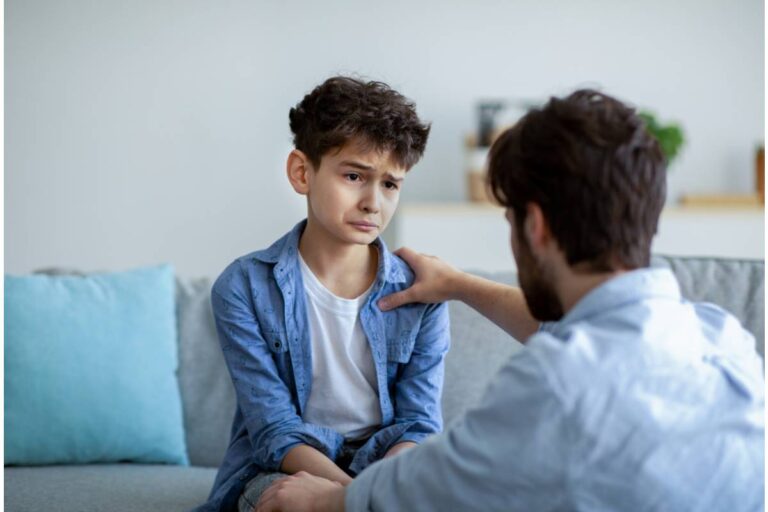
At 21, the son sees himself as an adult. He wants a say in what responsibilities he takes on, especially when it comes to something as ongoing as caring for a pet.
From the parents’ perspective, the situation may look very different.
He still lives at home.
He’s part of the household.
And helping out, whether it’s chores or pet care, may feel like a reasonable expectation.
That difference in perspective is where the conflict really lives.
The “Living at Home” Trade-Off
This situation also highlights a reality many families face.
When adult children live at home, there’s often an unspoken agreement:
- Financial support in exchange for contributing to the household
But what counts as a “fair contribution” isn’t always clearly defined.
Is walking the dog just another chore?
Or is it a responsibility tied to a decision he didn’t make?
That’s the gray area families often struggle to navigate.
Why This Situation Feels So Complicated
There’s also an emotional layer that makes this situation harder than it might seem.
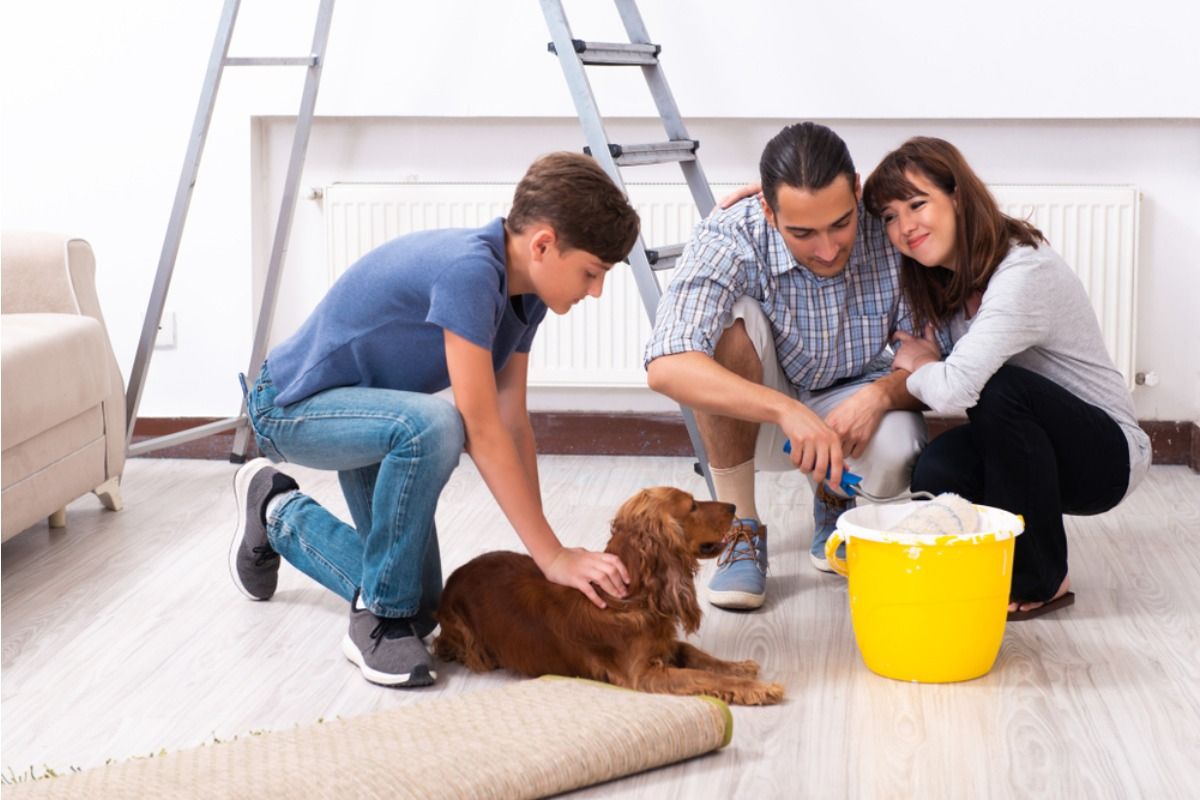
For the parents and sister, the new dog represents comfort and healing.
For the son, it represents something else entirely.
A reminder of a loss he hasn’t processed.
A change he wasn’t ready for.
And a responsibility he didn’t choose.
That emotional disconnect can make even small tasks, like walking the dog, feel much bigger.
What This Means for Parents Considering a Pet
This situation raises an important question for parents.
Before bringing a pet into the home, especially after a loss, how much should every family member’s readiness be considered?
Because while a pet can bring comfort, it also brings responsibility.
And if those responsibilities aren’t clearly agreed on ahead of time, they can quickly become a source of conflict.
The Question That Doesn’t Have an Easy Answer
At the center of this situation is a simple but difficult question.
If a family makes a decision together, but not everyone agrees, who is responsible for the outcome?
Is it fair to expect participation from everyone?
Or should responsibility fall only on those who wanted the change?
There’s no clear answer.
But what’s clear is that situations like this aren’t really about the task itself.
They’re about feeling heard.
And when someone feels like their voice didn’t matter in the decision, it becomes much harder to accept the responsibility that comes after.