Teachers Say Kids Are Forgetting One Basic Skill They Used to Know Before Kindergarten

In recent discussions among educators, a concerning trend has emerged: many teachers are observing that children are forgetting fundamental skills they previously mastered before entering kindergarten. This shift raises questions about the developmental milestones that are crucial for young learners and how changes in early childhood experiences may be impacting these skills.
The Skill in Question
The specific skill that teachers are noting as declining is the ability to tie shoelaces. This seemingly simple task is often taken for granted, yet it plays an important role in a child’s independence and fine motor development. Teachers report that when children arrive in kindergarten, many are unable to perform this task, which was once a common expectation for children of that age. The ability to tie shoelaces not only reflects physical dexterity but also contributes to a child’s confidence and self-sufficiency.
Factors Contributing to the Decline
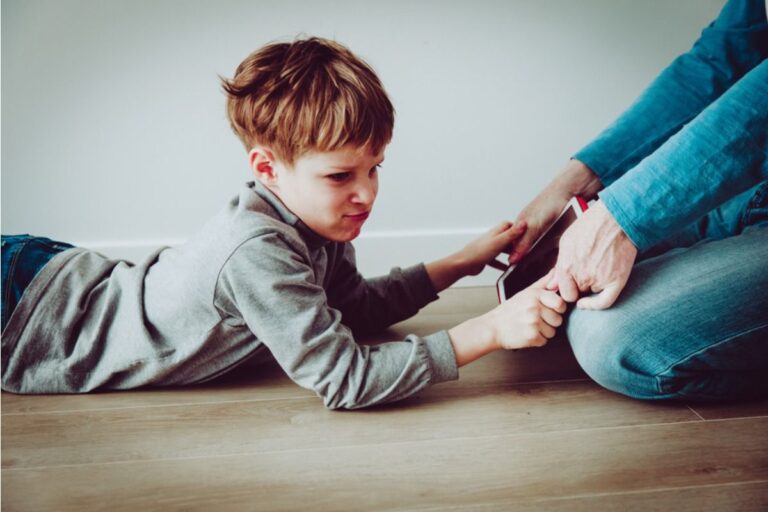
Several factors may be contributing to this decline in shoelace-tying skills among young children. One significant factor is the increased use of convenience footwear, such as slip-ons and Velcro shoes. These types of shoes eliminate the need for children to practice tying their laces, which can hinder their development of this essential skill. Additionally, the rise of technology and screen time may be affecting children’s opportunities for hands-on play and practice with fine motor skills, as they spend more time engaged with devices rather than participating in activities that promote physical coordination.
Another aspect to consider is the changing dynamics of play and learning environments. Many children now experience more structured playdates and organized activities, which may not provide the same opportunities for unstructured play that encourages the development of practical skills like tying shoelaces. This shift in how children interact and play may limit their chances to practice and refine their motor skills in a natural setting.
What This Means For Parents
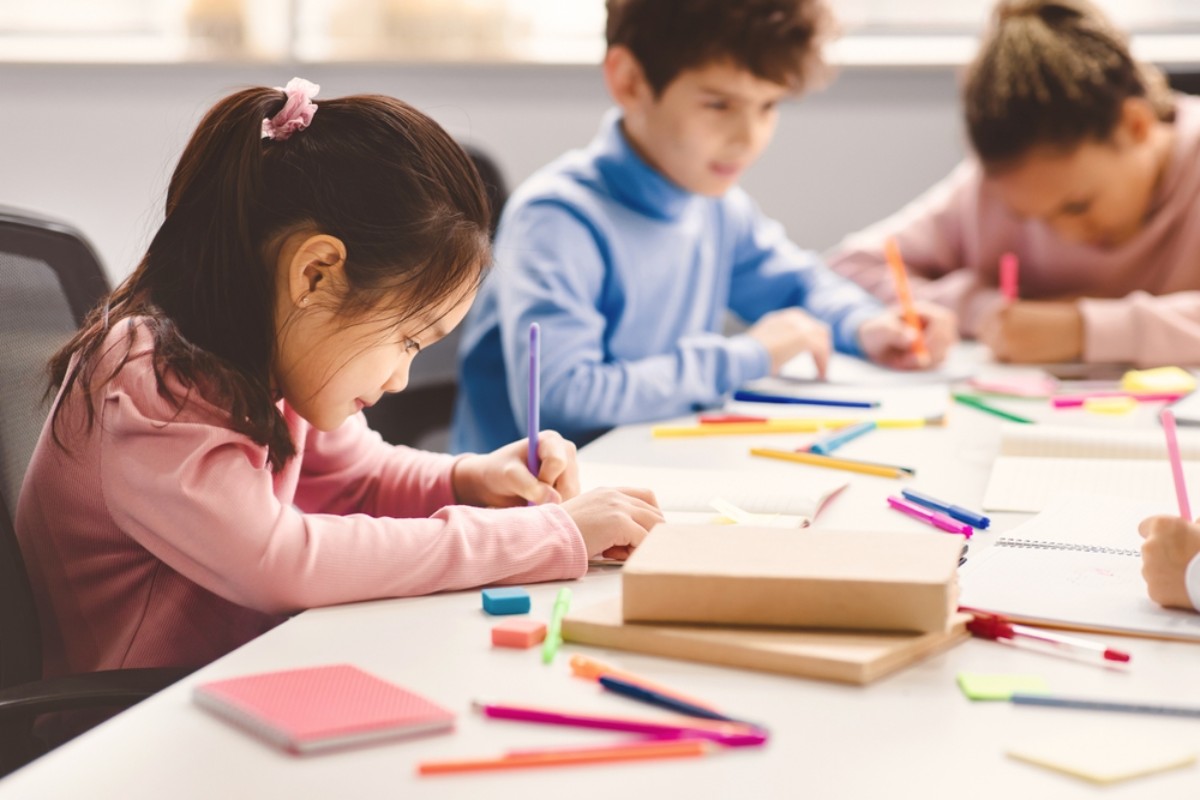
For parents, this trend highlights the importance of encouraging hands-on activities that promote fine motor skills at home. Engaging children in tasks that require dexterity—such as arts and crafts, building with blocks, or even simple household chores—can help them develop the necessary skills they need for tasks like tying shoelaces. Parents can also model the behavior by demonstrating how to tie shoelaces and providing opportunities for their children to practice in a supportive environment.
Additionally, it is essential for parents to be aware of the types of shoes their children wear. While convenience is often a priority, opting for shoes with laces can provide children with the opportunity to practice this skill. Parents can make it a fun challenge by turning shoelace tying into a game or a bonding activity, reinforcing the idea that learning new skills can be enjoyable.
Encouraging Independence
Encouraging independence in young children is vital for their overall development. Skills like tying shoelaces are not just about the physical act; they also foster a sense of accomplishment and confidence. When children learn to manage tasks on their own, they build resilience and problem-solving abilities that will serve them well throughout their lives.
As parents and caregivers, it’s important to create an environment where children feel empowered to try new things, even if they struggle initially. Celebrating small victories, such as successfully tying their shoes for the first time, can motivate children to tackle other challenges with enthusiasm.
In conclusion, while the decline in shoelace-tying skills among young children may seem minor, it reflects broader changes in childhood experiences and development. By actively engaging with children in hands-on activities and promoting independence, parents can help ensure that their children not only learn to tie their shoelaces but also develop the confidence and skills needed for future success.