Woman Says She Called Police After Teens Woke Her Up Skateboarding Outside Her Window, Now She’s Being Labeled “Terrible”

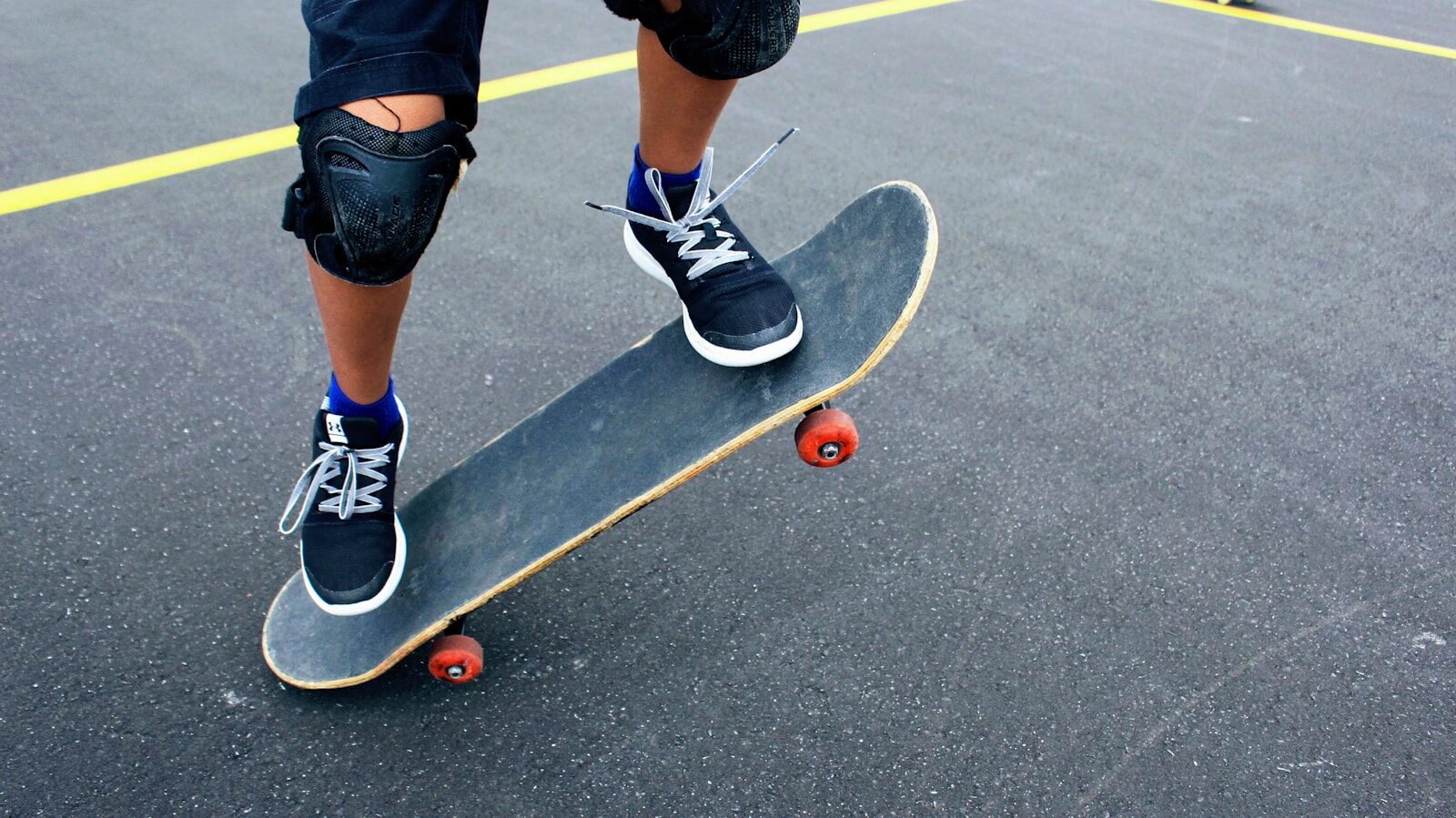
When a group of teenagers started skateboarding loudly outside a woman’s window and woke her from sleep, she did what many people might expect in a moment of frustration: she called the police. What followed was not a night of quiet resolution but a wave of online judgement that branded her “terrible” for calling authorities on kids. The story has tapped into a raw, modern conflict — where community standards, personal safety, parenting, and the role of law enforcement collide in a single, noisy moment.
The midnight disturbance that turned into a headline
The core of the dispute is simple and familiar: someone is asleep; others are being loud outside their home. But simple facts quickly became a public debate. On one side are people who argue that adults have a right to sleep, to feel safe in their own home, and to call for help when they believe the actions of others are intruding on that. On the other side are those who see the teens as harmless, entitled to hang out in public spaces, and unfairly targeted by an adult who might have escalated a minor nuisance into a criminal response.
Why neighbors are divided
Public reaction reflects more than just the incident itself. It reveals underlying tensions about privacy, respect, and what constitutes acceptable public behavior. For some neighbors, persistent noise late at night is not merely annoying—it’s a health issue that affects sleep, work, and mental well-being. For others, especially those who grew up skating or socializing outdoors, a group of teenagers being boisterous feels like a normal use of public space that should be tolerated or handled informally.
Online discussions amplify these divisions. Voices that might remain private in a small community suddenly echo across thousands of strangers. People bring their own experiences—of childhood freedom, of dangerous confrontations, of feeling unsafe in their neighborhood—which colors their judgment. The quick labels of “terrible” or “reasonable” condense a complex situation into a single moral verdict, leaving little room for nuance.
The role of police in neighborhood disputes
One of the most charged questions here is whether calling police was an appropriate response. For those advocating restraint, the police are tools for serious crimes and threats, not for breaking up teenage hangouts. They worry about unnecessary escalation, the potential for confrontation, and the broader consequences of involving law enforcement in everyday neighborhood friction.
Supporters of the woman’s call argue that if behavior is persistently disruptive or feels unsafe—especially late at night—contacting authorities is a legitimate choice. In some communities, noise ordinances or curfew rules empower police to respond to complaints. The debate touches on a national conversation about when to rely on police and when alternative community-based responses should be prioritized.
Alternatives to dialing 911
Before calling emergency services, there are other steps residents can consider. Speaking directly and calmly to the teens (if it feels safe to do so) can resolve an issue without escalation. Reaching out to property managers, building security, or non-emergency municipal hotlines often produces a more measured response. Neighborhood associations and block watch groups can mediate recurring problems and help establish norms around noise and late-night activity.
Documenting the disturbance—times, duration, and the specific behavior—can be useful if formal action becomes necessary. The goal is to balance respect for public life with protection of private space, choosing the least escalatory route that still addresses the problem effectively.
How communities can prevent these clashes
Long-term prevention requires better local norms and communication. Communities benefit from clear expectations about noise and public behavior, especially in mixed-use neighborhoods where families, students, and nightlife coexist. Schools and youth programs can offer safe, supervised spaces for teens to gather. City planners can design public spaces that accommodate recreational activities like skateboarding without disrupting residential life. And when incidents do occur, restorative approaches—where residents, youth, and local officials come together to discuss harms and solutions—can rebuild trust faster than punitive measures.
What Parents Can Take From This
For parents, this episode is a reminder that teenagers’ actions have impacts beyond their immediate friend group. Talk to your kids about how their behavior affects neighbors, especially late at night. Encourage them to find agreed-upon public spaces for noisy activities and to be respectful when they’re near homes. Teach them de-escalation: if a neighbor asks them to be quieter, comply and move on rather than argue.
For adults, remember proportionality. If you’re woken up or feel disturbed, consider non-emergency options first and document any recurring issues. If you do call authorities, be clear about why the situation feels unsafe or disruptive rather than relying on emotional labels. Neighborhoods are built on mutual respect; when both sides make small efforts to understand and accommodate each other, these flashpoints become rare instead of viral.
More from Parent Diaries:
- Woman Says Her Husband Wants to Pay for His Sister’s Dinner Party to Avoid Drama, But She Thinks Making People Pay for a Dinner Party is Ridiculous
- Woman Says She Won’t Support Her Sister’s Wedding After Her Kids Were Excluded, Now Her Family Says She Needs to “Let It Go”
- Mom Attacked Near Bus Stop in Early Morning Incident, Now Parents Are Questioning How Safe Their Neighborhoods Really Are