Teachers Say Parents Are Panicking Earlier About Grades Than Before

As the school year progresses, many teachers are noticing a shift in parental behavior regarding their children’s academic performance. Reports indicate that parents are expressing concern about grades sooner than they have in previous years. This trend raises questions about the pressures families face and the implications for children’s learning experiences.
The Shift in Parental Concern
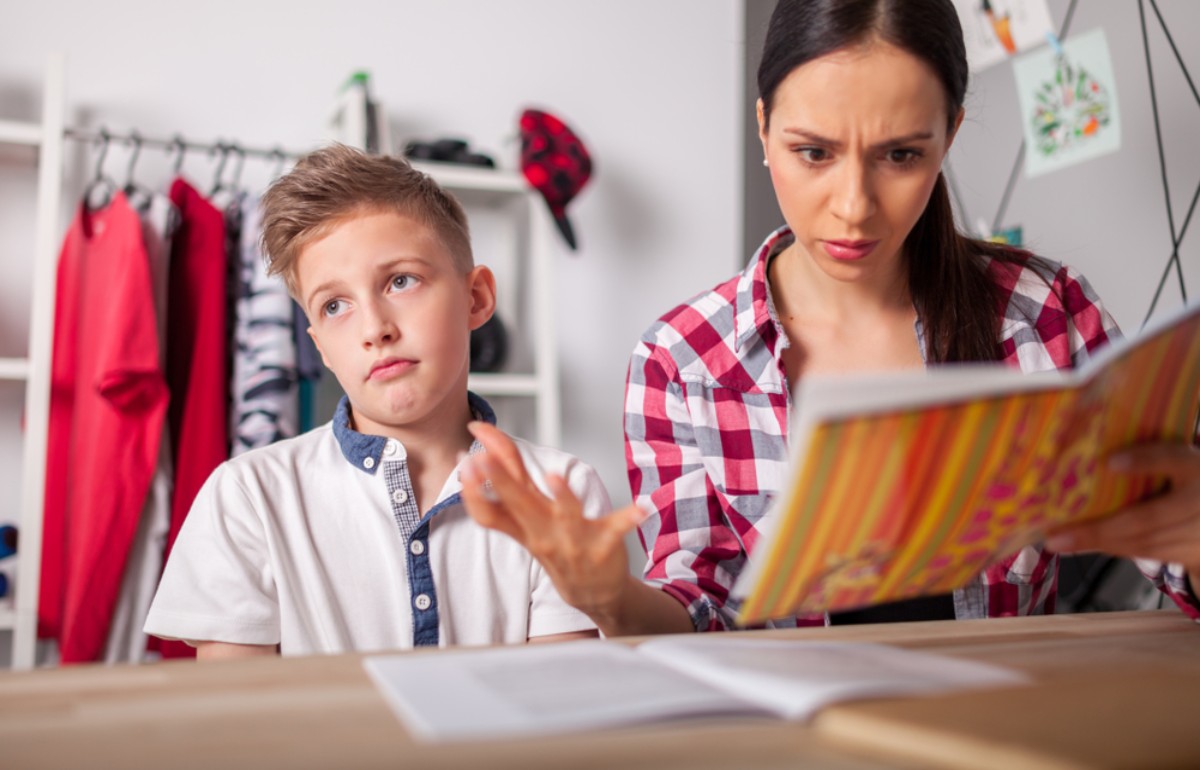
Educators have observed that parents are increasingly anxious about their children’s grades, often reaching out for updates much earlier in the school year. This heightened concern may stem from a variety of factors, including the competitive nature of education today and the emphasis on academic achievement. Teachers have noted that parents are more likely to contact them within the first few weeks of the semester, seeking reassurance or clarification about their child’s performance.
This early intervention can be attributed to the growing awareness of how grades can impact future opportunities, such as college admissions and scholarship eligibility. Parents want to ensure their children are on the right track, which can lead to increased pressure on both students and teachers. The desire for academic success is understandable, but it can also create an environment of stress and anxiety.
The Impact on Students
The early panic among parents can have a significant impact on students. When parents express anxiety about grades, children may internalize that worry, leading to increased stress and decreased motivation. Teachers report that some students become overwhelmed by the pressure to perform, which can hinder their ability to focus on learning and exploration.
Moreover, this pressure can affect the parent-child relationship. Children may feel that their worth is tied to their academic performance, leading to a fear of disappointing their parents. This dynamic can create a cycle of anxiety that is difficult to break, as children may become more focused on grades rather than the joy of learning.
Finding Balance
It’s essential for parents to find a balance between being involved in their children’s education and allowing them the space to learn and grow independently. Open communication with teachers can help parents understand the academic landscape and set realistic expectations. Engaging in conversations about learning goals, rather than solely focusing on grades, can foster a more positive approach to education.
Parents can also encourage a growth mindset in their children, emphasizing the importance of effort and resilience over mere outcomes. By celebrating progress and effort, families can create a supportive environment that prioritizes learning and personal development. This approach can alleviate some of the pressure that both parents and students feel, allowing for a healthier educational experience.
Supporting Parents and Students
Schools can play a vital role in supporting both parents and students during this time of heightened concern. Providing resources and workshops on managing academic stress can equip families with tools to navigate challenges. Additionally, fostering a culture of collaboration between parents and educators can help build trust and understanding.
Teachers can also offer regular updates on student progress, which can help alleviate some of the anxiety parents may feel. By establishing clear communication channels, schools can create a more transparent environment where parents feel informed and engaged without becoming overwhelmed.
Ultimately, the goal is to create a supportive educational experience that prioritizes the well-being of students while still recognizing the importance of academic achievement. By addressing the concerns of parents and fostering a positive learning environment, schools can help mitigate the early panic surrounding grades and promote a healthier approach to education for everyone involved.