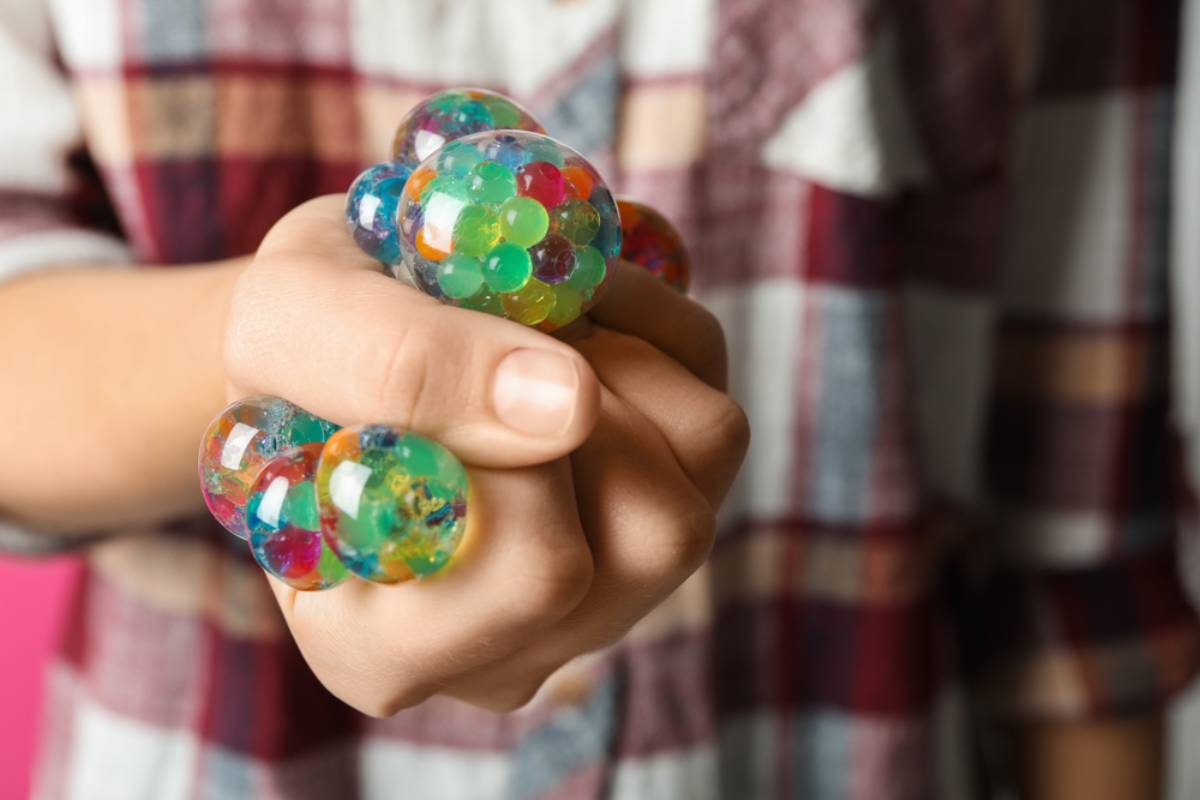
Those Cute Dumpling Squishy Toys Hid a Dangerous Secret: 15,200 Were Recalled as Separate Burn Cases Put the Trend Under Scrutiny

A September 3 report from the New York Post drew attention to dumpling-shaped squishy toys after federal safety officials announced two recalls involving potentially dangerous materials hidden inside the collectibles. The recalls covered approximately 15,200 toys combined, according to the Consumer Product Safety Commission (CPSC) and FOX 13 Seattle’s reporting. The main concern was that children could swallow water beads inside the toys, creating a risk of choking and intestinal obstruction.
The recall announcements also arrived amid separate reports of squishy toys bursting after exposure to heat and causing burns. Those incidents involved a different hazard and should not be confused with documented injuries from the two recalled dumpling products. Understanding the distinction helps explain why officials were addressing several safety concerns surrounding seemingly harmless squeeze toys.
Two Recalls Were Announced on the Same Day
On September 3, 2026, the CPSC announced two separate recalls involving dumpling-style toys that contained water beads. The first, detailed in the agency’s official GIHNJSI Squeezy Dumplings recall notice, covered approximately 8,000 units. The second, described in the Rainbow Mystery Squishy Bun recall notice, involved approximately 7,200 more.
Both products were manufactured in China, but they were associated with different businesses and had different packaging labels. The recalls called for consumers to stop using the affected toys and seek full refunds. Taken together, the two announcements placed roughly 15,200 products under recall rather than declaring every squishy toy on the market unsafe.
The Amazon Dumplings Cost About $20
The first recall involved GIHNJSI Squeezy Dumplings, sold online through Amazon from May through June 2026 for approximately $20. The toys were translucent, round squishy balls decorated with cartoon faces and glitter-like particles, with water beads inside. They were packaged in tan plastic containers designed to resemble traditional bamboo steamers.
The packaging carried the phrases “SQUEEZY DUMPLINGS” and “SQUEEZE ME” on a removable label. According to the CPSC, the toys themselves did not have identifying markings beyond their cartoon faces. That detail could make checking the packaging particularly important for consumers trying to establish whether a toy matches the recalled product.
A Second Brand Sold Similar Squishy Buns
The other recall involved Rainbow Mystery Squishy Bun Toys, model D08004, imported by OKK Trading Inc., based in Vernon, California. These toys were translucent pink, with cartoon faces, glitter and water beads inside. They were packaged in tan containers resembling bamboo steamers, with “Rainbow MYSTERY” and “SUGAR EDITION” printed on removable labels.
The recalled Rainbow Mystery toys were sold through various third-party stores nationwide between May and August 2026. The CPSC identified approximately 7,200 affected units and said the water beads expanded beyond the size permitted under the mandatory toy safety standard. As with the GIHNJSI products, consumers were instructed to stop using the toys and contact the responsible business about a refund.
The Biggest Concern Was Hidden Inside the Toys
Water beads are small, absorbent polymer materials that expand as they take in liquid. The CPSC explains in its water bead safety information center that some beads can grow dramatically when exposed to water, potentially reaching many times their original size. Their appearance can also make them difficult to distinguish from harmless decorative particles or small items that children might handle.
If swallowed, the beads can continue expanding inside a child’s body. Depending on their size and location, they can cause choking, intestinal blockages, severe discomfort, vomiting and dehydration, with potentially life-threatening consequences. Beads that enter a child’s nose or ears can also cause injuries, which is why the danger extends beyond swallowing alone.
Federal Rules Address the Water-Bead Risk
The United States introduced a mandatory federal safety standard specifically addressing water beads used in toys. The CPSC announced on March 12, 2026, that the new standard had taken effect. The requirements include restrictions on how large certain beads can become, limits on allowable acrylamide and stronger warning-label requirements.
The size restriction is particularly important because beads that grow too large may create a dangerous blockage after ingestion. The CPSC specifically stated that the Rainbow Mystery Squishy Bun Toys violated the mandatory safety standard because their internal beads expanded beyond the permitted size. The recalls therefore involved more than a general concern about small toy parts, with the agency identifying a specific hazard associated with the products.
The Recall Notices Reported No Injuries
Despite the seriousness of the warnings, the CPSC’s official notices for both September 3 recalls listed no reported incidents or injuries involving the recalled products. That is an important distinction because the wording of a headline can leave readers with the impression that the recalled dumplings themselves had already injured children. The available official records did not establish that.
The absence of reported injuries did not mean the toys were safe to keep using. A recall can address a hazardous design or material before an injury is reported, particularly when the potential consequences include choking or an internal obstruction. In this case, the stated concern was the danger posed by swallowing the beads, not a documented series of injuries linked to the two recalled product lines.
A Separate Warning Focused on Burns
The water-bead recalls were only part of the broader safety concerns surrounding squishy toys. On August 5, 2026, the CPSC issued a separate consumer safety alert about counterfeit squishy toys and burn hazards. The agency warned that toys exposed to high temperatures could burst and release hot filling material onto a child’s skin.
The alert covered several kinds of squishy toys, including food-shaped collectibles, and warned about exposure to direct sunlight, hot vehicles and heaters. Some fillings can be sticky, allowing hot material to remain against the skin and worsen a burn. These dangers are different from the ingestion risk behind the September dumpling recalls, although both demonstrate why an apparently soft, simple toy may contain hazards that are not obvious from its exterior.
A West Virginia Teen Was Burned After a Toy Burst
One reported incident involved a 13-year-old girl in West Virginia whose squishy toy burst after it had been left inside a hot car. According to CBS Pittsburgh’s June 29 report, the girl’s mother, Kimmie Staggs, said the toy burst onto her daughter’s lap as they drove away from a family errand. Staggs took her daughter to a hospital emergency room for treatment.
The material released by the toy was later identified as silicone, and medical staff used saline to help remove the thick substance from the girl’s skin. CBS reported that the girl was recovering by the following day and that the scarring was not considered serious. The case illustrates a genuine burn hazard associated with heated squishy toys, but it does not establish that the recalled GIHNJSI or Rainbow Mystery products caused the incident.
The Microwave Trend Added Another Layer of Risk
Safety concerns also extended to videos encouraging children and teenagers to put squishy toys in microwaves so they would expand or change texture. In a September 3 warning, Johns Hopkins Medicine explained how heating these toys can create serious burn risks. The medical center warned that overheated toys can break or explode, sending hot contents onto the skin, face or eyes.
Such videos can make the activity appear like an ordinary experiment, even though the filling and outer material may react unpredictably to heat. Johns Hopkins pediatric burn specialist Alejandro Garcia warned that resulting injuries can cause permanent scarring and may require surgery or skin grafts. His advice was clear: children should not heat, burn or otherwise modify these toys to imitate online trends.
The medical center also advised putting a burn under cool running water for about 20 minutes and avoiding ice or home remedies such as butter. Serious burns or injuries involving children warrant medical attention. These recommendations address heat-related injuries, rather than the separate possibility of swallowing water beads.
Counterfeit Toys Created Additional Uncertainty
The CPSC’s August warning also highlighted concerns about counterfeit and poorly documented squishy toys. Products that lack clear manufacturer information, safety warnings or appropriate testing may not meet federal requirements designed to protect children. A familiar shape or appearance does not necessarily establish that a toy comes from a legitimate manufacturer or complies with the applicable safety rules.
An investigation by Consumer Reports into counterfeit squishy toys described concerns about hazardous materials, including water beads and other substances used in toy fillings. The publication also reported that CPSC data showed the agency had stopped more than 355,000 dangerous squishy toys from entering the United States at ports. The figure covers a broader group of products, not the 15,200 toys named in the September recalls.
Another Dumpling-Style Toy Was Recalled in October
The product warnings did not end with the September announcements. On October 1, 2026, the CPSC announced another recall involving Mochi Malrang Mystery Dumpling Toys, which contained water beads that expanded beyond the permitted size. The agency’s official recall notice covered approximately 480 translucent red toys sold at Easy Wholesale in San Jose, California, in July for about $10.
These toys also came in tan plastic containers shaped like bamboo steamers, but their removable labels used the name “MOCHI MALRANG” and the phrase “SOFT and SQUISHY.” The CPSC again reported no injuries for the recalled product and instructed consumers to stop using it and contact LLK Trading for a full refund. The additional recall showed that similar-looking products from different sellers could present the same type of water-bead hazard.
A Similar Product Received a Warning Instead of a Recall
The CPSC also issued a separate warning about squishy bun toys sold by Ivyapingdianpu, a retailer based in China. The agency said the product violated the mandatory safety standard for toys containing water beads and urged consumers to stop using it immediately. Approximately 106 units were identified, with sales reported on Amazon in June 2026 and possible sales through other online sellers.
In its official safety warning, the CPSC said the retailer had not agreed to recall the toys or offer a consumer remedy. The distinction matters because a warning does not necessarily provide the same refund process as a formal recall. The agency advised consumers to dispose of the affected product and not sell or give it away.
A Separate U.K. Recall Involved a Chemical Hazard
Squishy dumplings have also faced product-safety action outside the United States. On June 25, 2026, the U.K. government’s Office for Product Safety and Standards published a recall notice for Squeezy Dumplings sold by Samsons Cash and Carry. That notice identified excessive benzene in the outer layer of the product as a serious chemical risk.
The British recall involved a different product-safety issue from the U.S. water-bead recalls announced in September. It should not be treated as evidence that the GIHNJSI or Rainbow Mystery toys contained benzene, because the available notices do not establish that connection. Instead, the case highlights why consumers need to check the exact product description and hazard named in an official notice rather than assuming all dumpling-shaped toys share the same defect.
What Owners of Recalled Toys Should Do
Consumers who recognize the GIHNJSI Squeezy Dumplings should stop using them and contact Chenyuanhui at [email protected] to request a full refund. The CPSC’s instructions tell consumers to write “RECALLED” on the toy and its tan container with permanent marker, discard both, and email a photo showing the disposed items. These steps are intended to prevent the affected product from being used again.
Owners of the recalled Rainbow Mystery Squishy Bun Toys should instead contact OKK Trading at [email protected] and follow the instructions for that recall. The company likewise directs consumers to mark the toy and its container as recalled, throw them away and send a photo of the discarded items. Because the businesses and recall procedures differ, consumers should match their product to the correct notice rather than assume that one refund contact handles every dumpling-style toy.
The Main Lesson Goes Beyond One Recall
The September announcements concerned a specific group of toys, but the broader safety concerns involve several different issues: water beads that can expand inside the body, fillings that may expose children to hazardous substances, and materials that can become dangerously hot. These hazards should not be collapsed into a single claim that every squishy toy is defective. The risk depends on the specific product, its materials, its condition and how it is used.
Parents and caregivers can reduce avoidable risks by checking recall notices, keeping damaged or leaking toys away from children, and avoiding products with unclear manufacturer details or missing safety information. Squishy toys should never be microwaved or deliberately heated, and they should not be left in hot vehicles or prolonged direct sunlight. The key distinction is that the September dumpling recalls were driven by a documented water-bead hazard, while the separate burn reports show why safe handling matters even beyond the products named in those recalls.