

Why Toddlers Eat Like Drunk Miniature Roommates Understanding Their Messy Mealtime Habits

Anyone who has shared a meal with a toddler knows it’s never boring. The dinner table becomes a stage for wild antics, unexpected messes, and a lot of laughter (or sighing).
Toddlers don’t eat like adults, and that’s because their bodies and brains are still figuring out how to work together. This leads to some pretty chaotic eating habits, but it’s all part of the adventure.
They toss food like confetti, making mealtimes a messy celebration.
If you’ve ever watched your toddler fling peas across the room, you know what it’s like to feel both amused and a little frazzled. Tossing food is a way for them to see what happens and test boundaries.
Food ends up everywhere—on the floor, in their hair, maybe even on the dog. This is their way of learning about cause and effect and figuring out what gets a reaction.
It’s messy, but it also helps build hand-eye coordination and decision-making skills. Try to keep calm and remember this stage won’t last forever.
Mealtime can be a chance for them to discover new textures and tastes, even if you end up mopping the floor afterward.
They slur their words and mumble, just like a tipsy friend at a party.

It’s hard not to laugh when your toddler tries to talk with a mouthful of food and comes out sounding like they’re at a rowdy party. Their speech can be hard to understand because their mouths are busy doing a lot at once.
They’re still mastering how to move their lips, tongue, and jaw. Chewing and talking at the same time is a real challenge.
This is all part of learning to communicate and eat at the same time. It might sound silly, but it’s a sign of progress.
They suddenly refuse food they loved moments ago, mood swings on full display

One day, your toddler is obsessed with strawberries, the next day, they act like you’re offering poison. These sudden changes are a normal part of toddlerhood.
Sometimes it’s not even about the food. Being tired, distracted, or just not in the mood can make them suddenly turn down their favorite snack.
When your child says “no” to something they loved yesterday, it’s just their way of expressing their ever-changing feelings. Staying calm helps them feel safe and more willing to try again later.
They love snacks but treat meals like an optional event
Snacks are the highlight of your toddler’s day, while meals seem to be more of a suggestion. Their tiny stomachs prefer small amounts of food more often, which is why snacks win every time.
Snacking gives them a sense of control and choice. Meals can feel overwhelming or boring, so they often eat just a little and ask for something else later.
Offering healthy snacks in small portions can keep them satisfied but still hungry enough for meals. It’s a balancing act, but with patience, they’ll learn to enjoy family meals too.
They stare at food like it’s a puzzle they can’t solve.
Ever notice your toddler just staring at a new food, completely baffled? That’s because unfamiliar colors, smells, or textures can be confusing or even a little intimidating.
Their senses are still developing, and sometimes they need extra time to figure things out. Letting them touch, smell, or just look at new foods can help them feel more comfortable.
Some kids have strong sensory reactions and need to go at their own pace. Giving them space to explore without pressure can make trying new foods less scary.
They spill drinks as if gravity is an unpredictable prankster.

Handing a cup to a toddler is always a gamble. Drinks end up on the table, the floor, or down their shirt, all thanks to their still-developing coordination.
Gravity seems especially tricky for little hands learning how to hold and tip a cup. Spills are part of the process.
Giving them cups that are easy to grip or smaller amounts to drink can help, but some mess is inevitable. These spills will become stories you laugh about later.
They insist on feeding themselves with the precision of a drunken artist.
Toddlers want to do everything on their own, including eating. This means food ends up everywhere except their mouth, but it’s how they learn.
Using their hands or fumbling with a spoon helps them develop important fine motor skills. It might be slow and messy, but every attempt builds their confidence.
Resist the urge to take over. Letting them practice, even if it gets a little wild, helps them grow more independent.
They mix flavors in bizarre combos that defy logic.
If you’ve ever watched your toddler dip crackers in applesauce or mix peas with yogurt, you know they don’t follow the usual food rules. These odd combos are their way of experimenting with flavors.
Toddlers are tiny food scientists, curious about what happens when they put strange things together. Sometimes the results are surprisingly good, sometimes not so much.
Letting them play with flavors helps them learn about taste and develop their own preferences. Just be ready for some truly weird meal moments.
They have bursts of energy causing them to run mid-meal
Halfway through dinner, your toddler might jump up and start zooming around the room. These sudden bursts of energy come out of nowhere.
Toddlers burn through energy quickly, and sitting still feels impossible at times. Sometimes a quick run helps them settle back down to finish eating.
Letting them move a bit before coming back to the table can actually help them focus better on their meal.
They scream when forced to eat vegetables, just like a mini rebellion.

Trying to get a toddler to eat vegetables can feel like starting a tiny revolution. They push the plate away or scream, wanting to show they’re in charge.
Forcing veggies usually backfires and makes them even less interested. Instead, just keep offering vegetables without pressure.
Seeing veggies on their plate and having the option to try them helps over time. Patience is key as they learn to accept new foods.
Understanding Toddler Mealtime Behaviors
Meals with toddlers are anything but predictable. They’re constantly exploring, learning, and testing out new ways to interact with food.
Every chaotic bite, spill, or food toss is part of their journey toward independence. Their behaviors are shaped by growing bodies, changing emotions, and a need to figure things out for themselves.
Developmental Reasons Behind Mealtime Chaos
Toddlers crave independence and want to make their own choices. This can mean saying “no” just to see what happens.
Appetites change from day to day, sometimes from minute to minute. Slow growth and shifting moods are all normal.
Testing limits is part of the process. Staying calm and consistent helps them learn what’s okay.
How Sensory Exploration Affects Eating
Toddlers use all their senses to make sense of food. Touching, smelling, and even throwing food is part of how they explore.
Textures and colors can be surprising or overwhelming. Repeated exposure helps them get used to new foods and eventually accept them.
Letting them use their fingers or practice with utensils helps build important skills, even if it means extra clean-up.
Parental Strategies for Smoother Mealtimes
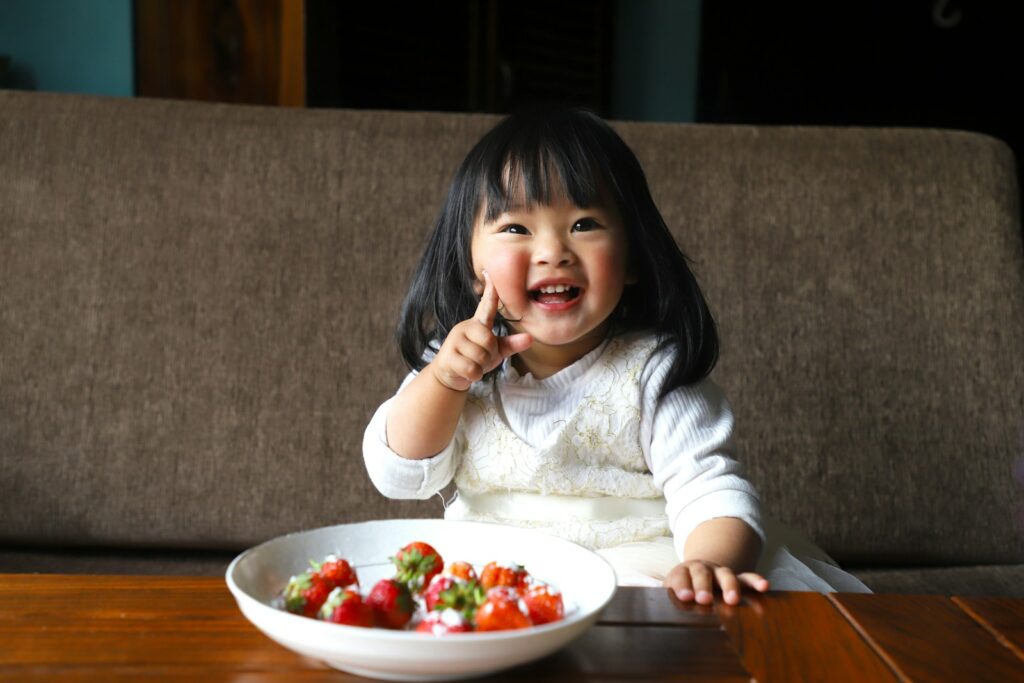
Creating a calm eating space and sticking to routines can make meals less stressful. Gentle encouragement goes a long way.
Pay attention to your child’s cues and don’t be afraid to ask for help if you need it. Every family finds their own way through the mealtime chaos.
Encouraging Healthy Eating Habits
Toddlers can be unpredictable when it comes to food. Offering a variety of foods without any pressure lets them explore at their own pace.
Let your child experience new tastes and textures in small amounts. Sometimes it takes several tries before they accept a new food.
Try using the division of responsibility approach. You choose what and when to serve meals, while your child decides how much to eat.
Keeping mealtimes calm and consistent can help your toddler feel secure. Sitting and eating with your child whenever you can makes a difference.
When you model healthy eating, your child learns by watching you. Celebrate their efforts, even if they only taste a small bite.
When to Seek Additional Support
Some days, getting your toddler to eat feels like a never-ending challenge. If you notice mealtimes are often stressful or your child consistently refuses many foods for weeks, it might be time to look for extra help.
Watch for signs such as poor growth or intense anxiety around food. These can be signals that your child could benefit from support.
A pediatrician, feeding therapist, or speech-language pathologist can help identify any underlying issues. They offer guidance tailored to your family’s needs.
If you ever feel overwhelmed or unsure, reaching out can make a big difference. You deserve support, and your child deserves a positive mealtime experience.





References:
Db Casino Bonus http://cse.google.com.tw/url?sa=i&url=http://toolbarqueries.google.cm/url?q=https://instantcasinodeutschland.de/
References:
Flagman Casino Bonus https://jaluzion.ru/
References:
Admiral Casino Bewertung backingtrackx.com
References:
Neosurf Casino Einzahlung https://www.emlakkulisi.com
References:
Stratosphere Casino Auszahlung http://timetowin.clanweb.eu/index.php?site=profile&id=82885