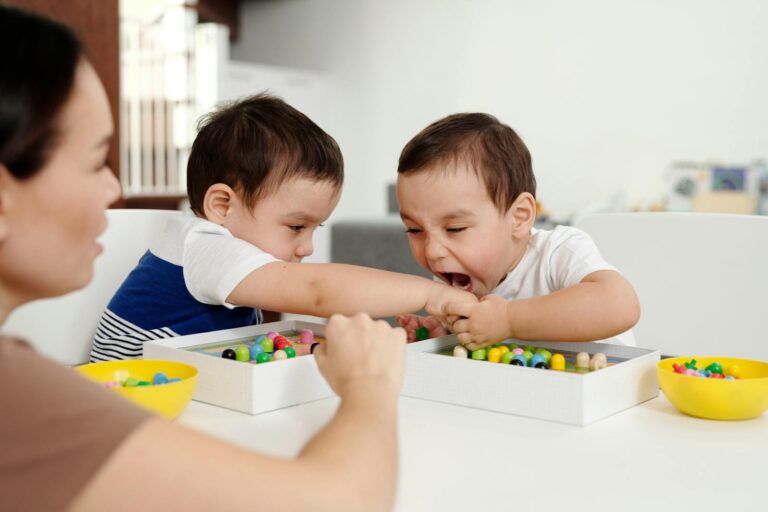
The Real Reason Kids Today Won’t Eat Anything With Texture And How Parents Can Help

Ever sat at the dinner table and watched your child refuse even to touch a food just because it “feels weird”? You’re not the only one. Many parents deal with kids who steer clear of foods with certain textures, and it can leave you wondering what’s really going on.
Kids aren’t just being stubborn or picky. There’s usually a deeper reason behind their reaction to different food textures.
The real reason kids often won’t eat food with texture comes down to how they experience and sense it, not just personal preference. This goes beyond just not liking the taste. It’s about how their senses react to what’s in their mouth.
Sensory Processing Disorder Impact

Some kids avoid foods with certain textures because of sensory processing disorder, or SPD. Their brains have trouble handling sensory information, making it hard for them to feel comfortable with how food looks, feels, or tastes.
You might see your child react strongly to soft, mushy, or crunchy foods. These reactions are more than just picky eating—they’re a real struggle with processing sensations.
When your child feels overwhelmed by food textures, they may refuse to eat or only want very specific types of food. This can make mealtimes stressful for both of you.
Texture-Triggered Gag Reflex

Does your child gag when trying foods with lumps or unusual textures? A sensitive gag reflex could be to blame. The gag reflex is there to protect us, but for some kids, it’s triggered by even mild textures.
Foods that are slimy, crunchy, or mushy might set off this reaction. Sometimes, just the feeling of a new texture can make them gag.
Children may refuse foods with certain textures to avoid this discomfort. Gagging isn’t about being picky—it’s a physical response to what their mouth is feeling.
With time and gentle exposure, your child can get used to new foods. Starting with smoother textures and adding small lumps might help.
Zinc Deficiency Effect

If your child is constantly turning down foods with texture, low zinc might be part of the problem. Zinc helps kids taste and enjoy food, and when they don’t have enough, food can seem bland or unappealing.
This can lead to picky eating or refusing to try new textures. Low zinc can also reduce appetite, so your child might eat less overall.
Zinc is important for growth and energy, too. Without enough, your child might feel tired and less interested in play.
Offering zinc-rich foods like meat, beans, nuts, and dairy can help. Sometimes, a doctor may suggest supplements if needed.
ADHD and Texture Sensitivity

If your child has ADHD, you may notice they’re extra sensitive to certain food textures. This isn’t just about being picky. Their brains process sensory information differently, so some textures can feel overwhelming.
Kids with ADHD often prefer foods with consistent textures. Mixed or unexpected textures might cause them to refuse to eat.
You might try slowly introducing new textures in small amounts or mixing foods in a way that feels safe. Finding what works for your child can make mealtimes less stressful.
Fear of New Sensations
Sometimes, kids refuse foods because they’re scared of new feelings in their mouth. This fear is about texture, not just taste. For some, crunchy or slimy foods can feel too strange to try.
If your child avoids textured foods, their senses may be extra sensitive. This can lead to discomfort or even anxiety.
Introducing new textures slowly can help. Letting your child touch or play with the food before eating it may make things easier.
Mixing play with mealtime can help reduce worries. If your child is very sensitive, extra patience goes a long way.
Over-Responsiveness to Stimuli

Some kids have a nervous system that reacts more strongly to sensory input. This is called over-responsiveness. Smells, tastes, and textures can feel too intense or even uncomfortable.
When overwhelmed by a texture, your child might refuse to eat or gag. This isn’t about being stubborn—it’s how their brain responds.
Kids with this sensitivity often prefer foods that feel predictable, like crunchy or bland options. These choices help them feel safe.
Trying small changes to textures or offering familiar foods alongside new ones can help your child feel more comfortable.
Under-Responsiveness Masking Issues
Other kids might avoid foods with texture because they’re under-responsive to sensory input. Their brains don’t notice textures the same way, and the feeling in their mouth can be confusing.
Sometimes your child will try to hide their discomfort. They might act like texture isn’t an issue, but inside, they could be overwhelmed.
If your child insists on smooth or plain foods, this could be their way of managing sensory overload. Gently encouraging new experiences, without pressure, can help them feel more comfortable.
Negative Past Food Experiences

A bad experience with certain foods can make kids avoid those textures in the future. Choking, gagging, or even a stomach upset can leave a strong memory.
When your child feels scared or uncomfortable eating a particular texture, their brain learns to protect them by saying no. This isn’t about being difficult—it’s about feeling safe.
Even one or two negative experiences can cause a lasting dislike. Sometimes, it’s not the food itself but how it felt in their mouth.
Introducing new textures slowly and gently can help your child feel more confident. Over time, they might learn to trust those textures again.
Difficulty Transitioning to Solids
Moving from smooth purees to lumpier, thicker foods is a big step for many kids. It takes time to get used to new textures and tastes.
Your baby might cough, gag, or spit out food at first. This is normal and part of learning to eat solids.
Some babies stick to pureed foods because they feel easier to handle. Mixing a bit of texture into purees, like soft lumps or mashed pieces, can help build confidence.
Every child learns at their own pace. Staying calm and positive during mealtime can make trying new foods less stressful.
Preference for Predictable Textures
Many kids want foods that feel familiar, soft, or smooth. These textures feel safe and easy to eat.
Kids often like foods where the texture is consistent. Crunchy or slimy textures might seem strange, so they avoid them.
Sensory sensitivities can make your child notice textures more than you do. This can make certain foods feel overwhelming.
If your child recently had an illness or sensory change, their texture preferences might shift. It’s normal for them to stick with softer, familiar foods for a while.
Why Texture Sensitivity Is on the Rise
More kids today are struggling with food textures than before. Changes in how they experience the world and what they eat early on can make it harder to handle different food feelings.
Sensory Processing in Modern Environments
Kids’ brains process a huge amount of sensory information every day. Modern homes often have fewer natural sensory experiences, like playing outside or touching different surfaces.
This can make some kids more sensitive to textures they don’t encounter much. Foods that are slimy, crunchy, or mushy might feel overwhelming.
Without enough varied sensory input early on, kids may develop strong avoidance for these textures.
You might notice your child:
- Avoiding certain food textures completely
- Getting upset or gagging when trying new textures
- Needing very specific, familiar textures to feel safe during meals
The Impact of Early Childhood Diets
Today’s early diets often include smooth, processed foods like purees and snacks that lack texture variety. When children aren’t exposed to many textures early, their brains may not learn to accept new sensations.
Finger foods, whole fruits, or crunchy vegetables might be skipped in favor of softer options. This can make it harder for kids to handle real, varied food textures later.
To encourage texture acceptance:
- Introduce small amounts of new textures gradually
- Mix soft and crunchy foods in easy ways
- Be patient and consistent during mealtimes
Helping your child get used to textures early supports their growth and makes mealtime easier for everyone.
How Texture Preferences Shape Eating Habits
Texture shapes how kids choose their foods and keep those habits over time. How you handle mealtime and your child’s early experiences with different textures can help them explore food or make them shut down.
Parental Approaches and Mealtime Dynamics
Your reaction to your child’s texture preferences matters. If you stay patient and avoid forcing textured foods, your child may feel safer trying new things.
Making mealtimes calm and fun reduces pressure. You can use gentle steps like offering foods with similar textures your child already likes.
Playing with food textures during meals or snacks also helps. For example:
- Start with softer crunchy snacks before moving to harder ones
- Mix familiar smooth items with new textured foods
- Praise any small tries, even if they only touch the food
These steps show your child they can explore textures without stress. This makes trying new foods easier over time.
Long-Term Effects of Texture Aversion
Some kids just cannot handle certain food textures, and it can make mealtime a real struggle for families. When a child avoids foods because of how they feel, it can end up limiting what they eat and even affect their health.
Foods that are slimy, crunchy, or mushy are often the first to get rejected. This can make it tough for kids to get all the nutrients they need.
Early exposure to different textures gives kids a better shot at developing strong chewing skills. Trying out new textures while they are young can help prevent feeding issues down the road.