A Dad Says His Child Came Home Upset After Being “Voted Out” of a Group Game, and It Feels Like More Than Just Play

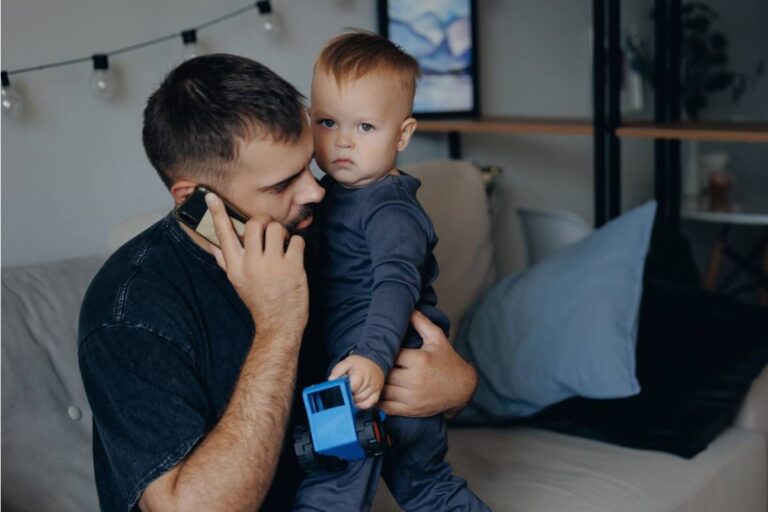
A dad says his child came home upset after being “voted out” of a group game, and what sounded like a normal activity quickly felt like something deeper was happening.
A Game That Seemed Harmless at First
The child described a game where players could vote someone out each round. It sounded like something meant to be fun and competitive. At first, the dad didn’t think much of it. Many games include elimination. It didn’t seem unusual. But the tone in which it was described felt different.
The Voting Wasn’t Random
As the child explained more, it became clear the votes weren’t based on gameplay alone. Certain kids were being targeted repeatedly. The same names came up in multiple rounds. It didn’t feel like chance. It felt more personal than strategic. That changed how the game was understood.
Being Voted Out Became Predictable
The child mentioned that some players expected to be eliminated early every time. It wasn’t surprising anymore. It had become part of the pattern. This made the experience feel less like a game and more like a routine. The outcome started feeling fixed. And that affected how kids approached it.
The Emotional Impact Was Immediate
Coming home, the child was quieter than usual. They didn’t talk much about the game at first. When they did, frustration and confusion came through. It wasn’t just about losing. It was about how the loss happened. The experience stayed with them longer than expected.
Others Seemed to Enjoy the Control
According to the child, some kids seemed to enjoy being part of the voting group. Choosing who stayed and who left gave them a sense of influence. It wasn’t openly mean, but it carried weight. Decisions felt less about the game and more about social standing. That dynamic stood out.
The Line Between Game and Reality Blurred
The dad realized that even though it was called a game, the impact didn’t stay within that boundary. Feelings carried over after it ended. Relationships were affected outside of playtime. What happened in the game didn’t feel separate. It became part of everyday interaction.
The Child Started Questioning Their Place
After the experience, the child began asking why they were always voted out. They wondered if they had done something wrong. The game created doubt that wasn’t there before. It wasn’t just about rules, it was about belonging. That shift made the situation more serious.
Talking It Through Became Important
Instead of dismissing it as “just a game,” the dad chose to listen. He asked how it felt and what exactly happened. The child opened up more with time. Understanding the experience helped clarify the impact. The conversation became more about feelings than outcomes.
A Different Perspective on Group Activities
The dad began to see that not all group games affect kids the same way. Some structures can unintentionally highlight social dynamics. Elimination-based games can feel personal, even if they aren’t meant to be. This changed how he viewed similar activities. Context mattered more than labels.
Encouraging Confidence Beyond the Game
At home, the focus shifted to reinforcing confidence and self-worth. The dad reminded his child that one game doesn’t define their value. He encouraged them to engage in activities where they felt included. The goal was balance. Not avoidance, but awareness.
A Small Moment That Raised Bigger Concerns
What started as a simple game revealed underlying patterns in how kids interact. It showed how quickly play can reflect real dynamics. The dad realized that these moments deserve attention. Because sometimes, what looks like play is carrying something more.