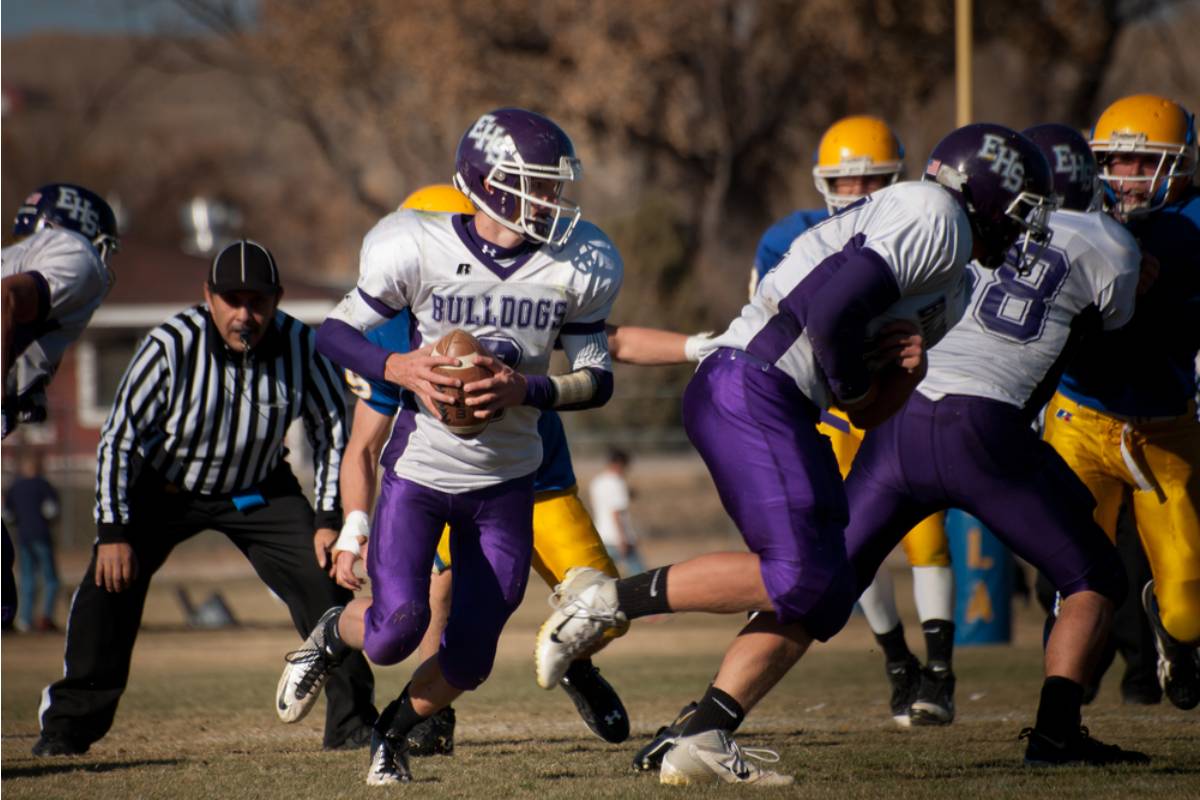
A Dad Says His Son’s Football Coach Told the Team That Crying After a Loss Is “Embarrassing and Weak,” and His Kid Hasn’t Been the Same Since

The first time I noticed something had changed, my son came home from football practice and quietly placed his helmet on the kitchen table instead of tossing it like he usually did. He didn’t say much, just grabbed a glass of water and sat on the couch staring at the floor. When I asked how practice went, he shrugged and said it was fine in a way that made it clear it wasn’t fine at all. I assumed it was just a tough day until I saw how long he stayed silent after that. Something about his energy felt heavier, like he had started carrying something he could not explain.
The Loss That Started It All
The game the night before had been close, the kind that ends with everyone standing around in disbelief. My son’s team lost in the final minutes after a missed tackle and a broken play that nobody saw coming. I watched from the stands as the players stood frozen on the field, helmets off, trying to process it. My son dropped to one knee for a moment, then got back up like he was forcing himself to move. I thought he was just disappointed, nothing unusual for competitive sports.
The Locker Room Talk Nobody Expected
The next day, one of the other parents mentioned something strange about what happened after the game. According to his son, the coach gathered the team in the locker room and spoke for several minutes. He told them that mistakes were part of football, but emotional reactions had to be controlled. Then came the part that stuck with everyone who heard it. He said crying after a loss was embarrassing and weak, and it did not belong on a football field.
My Son’s Version of What Happened
That evening, I asked my son directly if it was true. He hesitated before answering, which told me everything before he even spoke. He said a few players had been upset and one of them started crying quietly near the benches. The coach noticed and told them all to “fix it before it becomes a habit.” My son said nobody responded, they just stood there staring at the ground. He added that nobody cried after that, even if they wanted to.
A Change in Him I Could Not Ignore
Over the next week, I noticed my son stopped reacting to anything related to football emotionally. Even when he made a good play during practice scrimmage, he barely smiled. When I asked if he was still enjoying it, he said it did not matter as long as he performed well. That answer did not sound like something a teenager naturally believes. It sounded like something he had been taught to repeat.
The First Crack in the Team Dynamic
A parent group chat started lighting up after another game, this time with a win. Someone mentioned that the celebration felt unusually quiet. Players were high fiving but not smiling the way they used to. One parent said his son had stopped talking about games altogether. Another said their kid seemed afraid to show frustration or excitement. It became clear this was not just about one loss anymore.
A Conversation With Another Player’s Dad
At a weekend scrimmage, I spoke with another father whose son played on defense. He said his kid came home and asked if it was normal for coaches to tell players not to show emotion. The father assumed it was about discipline until he heard the exact wording. He told me his son had started pretending everything was fine even when it clearly was not. We both agreed something about the message felt off, but neither of us wanted to jump to conclusions too quickly.
My Attempt to Talk to the Coach
After practice one evening, I asked to speak with the coach privately. I brought up what I had heard and asked if the locker room story was accurate. He did not deny it. He said football requires mental toughness and that emotional reactions can affect team focus. I asked if that included discouraging players from expressing disappointment. He said there is a difference between emotion and control, and left it at that.
A Different Reaction From the Assistant Coach
On my way out, I caught the assistant coach near the equipment shed. I asked him how he felt about the comment. He paused for a long time before answering. He said he understood what the head coach was trying to teach, but he was not sure the delivery was right. He admitted some of the younger players took it harder than expected. That was the first time I heard any doubt from inside the coaching staff.
The School Administrator Gets Involved
A few days later, I received a call from someone at the athletic department asking if I had concerns about team culture. I explained what had been said and how my son had changed since then. The administrator sounded careful, asking for specifics but not offering opinions. They said they would look into it but reminded me that coaching style varies. It felt like a polite acknowledgment rather than a commitment.
My Son Stops Talking About Football
By the middle of the season, my son barely mentioned football at home. He still attended practice and games, but it felt mechanical. One night I asked if he wanted to continue playing next year. He said he had not decided yet, then quickly changed the subject. That was the first time I realized he might be pulling away from something he used to love.
A Moment I Did Not Expect to Witness
During a later game, I saw him miss a play and immediately look toward the sideline instead of reacting. When the whistle blew, he jogged back with no expression at all. The coach did not yell, but he did not encourage either. It felt like everyone on the field was trying not to be noticed for the wrong reasons. Even the crowd felt quieter than usual.
A Former Player Speaks Up
After a home game, I ran into a high school student who had previously played under the same coach. He told me he recognized the pattern immediately. According to him, the coach always emphasized toughness but sometimes crossed into discouraging normal reactions. He said he quit the team because it stopped feeling like a place where players could learn from mistakes. Hearing that made the situation feel less isolated.
A Meeting With Other Parents
Eventually, several parents organized a meeting with the athletic department. The discussion stayed tense but controlled. Some parents defended the coach, saying he was preparing kids for real competition. Others argued that emotional suppression was not the same as discipline. My son sat quietly through most of it, listening without interrupting. I could tell he was paying attention more than anyone else in the room.
The Coach’s Clarification
The coach was eventually asked to address the situation directly. He said he never intended to shame players but wanted to prevent emotional collapse during games. He acknowledged that his wording may have been too harsh. He said he would adjust how he communicates moving forward. It was not an apology, but it was the closest thing to one we got.
What Changed Afterward
In the weeks that followed, practice felt slightly different. There was more encouragement after mistakes, even if subtle. My son slowly started talking about games again, though not with the same excitement as before. He was still guarded, but not completely shut down. The experience did not disappear from him, but it stopped growing heavier.
What Stayed With Me
Looking back, I understand the intention behind teaching resilience in sports. But I also saw how quickly a message about toughness can turn into silence instead of strength. My son did not stop caring about football because he lost a game. He pulled back because he was told how he was allowed to feel about it. That difference stayed with me long after the season ended.