A Mom Says Her Son’s School Sent a Robocall About a Lockdown Drill After the Fact, and He Never Told Her Because He “Didn’t Want to Worry Her”

Like many parents, I expect the school to keep families informed about important safety procedures. That’s why I was surprised when my phone buzzed with a recorded message explaining that students had completed a lockdown drill earlier that day.
The message wasn’t announcing an upcoming drill or asking us to prepare our children. It was simply informing us that it had already happened. What shocked me even more was learning that my son had intentionally said nothing because he thought keeping it to himself would spare me from worrying.
A Routine Afternoon Changed With One Voicemail
I was unloading groceries when my phone lit up with a missed call from the school district. Assuming it was another reminder about an upcoming event, I listened to the voicemail while putting food away. Instead, the recording explained that students had participated in a lockdown drill as part of routine safety procedures. The message thanked parents for their understanding and encouraged us to discuss the experience with our children. I stood there wondering why I was hearing about it after it was already over.
My Son Acted Like Nothing Had Happened
When my son walked through the front door, he smiled, grabbed a snack, and started talking about his math quiz. He never mentioned the drill or anything unusual about his school day. I finally asked whether they had practiced a lockdown. He looked surprised that I already knew. Then he quietly admitted he hadn’t planned to bring it up.
His Explanation Left Me Speechless
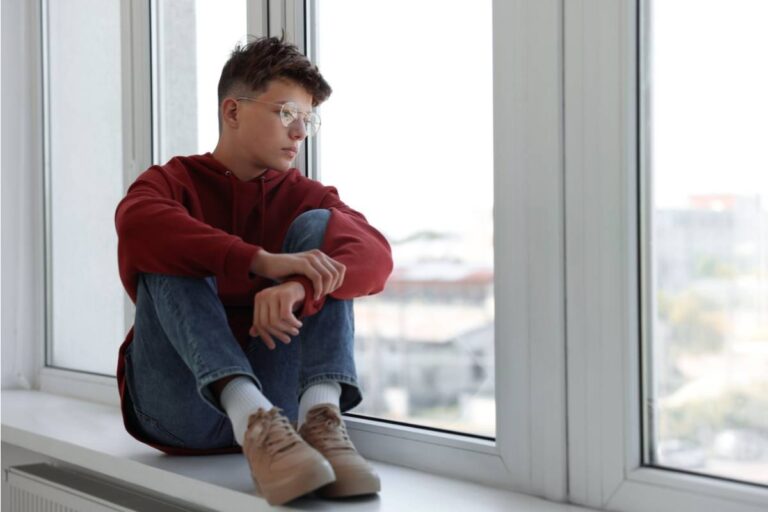
I asked why he kept something like that to himself. He shrugged and said, “I didn’t want to worry you.” He explained that some classmates had been nervous afterward, but the teachers told everyone it was only practice. He figured mentioning it at home would only make me anxious. Hearing my child try to protect my feelings instead of sharing his own caught me completely off guard.
The Drill Felt More Real Than He Expected
As we talked longer, he described how the classroom lights were turned off and students quietly moved away from the windows. He said everyone stayed silent while the teacher checked the door and reminded them to remain calm. Although he knew it was only a drill, the silence made the room feel unusually tense. A few students looked frightened even after the exercise ended. That wasn’t something the voicemail had prepared me to hear.
Other Parents Had Similar Reactions
That evening, messages started appearing in the neighborhood parent group. Several families admitted they had also learned about the drill only after receiving the automated call. Some parents appreciated being informed at all. Others wished they had known beforehand so they could prepare younger children who might become anxious. It became clear that many households were having the same conversation we were.
My Son Shared Something He Hadn’t Told His Teacher
Later that night, he admitted there had been one moment during the drill when he thought about texting me. He decided against it because he didn’t want to break the rules or create unnecessary panic. Instead, he focused on doing exactly what the teacher instructed. He said he kept imagining how worried I would be if I received a message with no context. That thought stayed with him for the rest of the school day.
I Reached Out to the School
The next morning, I emailed the principal to ask about the school’s communication process. I explained that I wasn’t criticizing the drill itself because I understood why safety practice mattered. My concern was learning about it only after students had already experienced it. I also mentioned that several children had chosen not to discuss it with their parents. I wanted to understand how the school expected families to continue those conversations at home.
The Principal Offered More Context
The principal responded with a thoughtful explanation later that day. She said the school notified parents afterward to reduce confusion if students mentioned the drill once they arrived home. She also acknowledged that families have different preferences about advance notice and appreciated hearing respectful feedback. She encouraged parents to contact the school with suggestions for future communication. While I understood the reasoning, I still felt something was missing.
A Classroom Discussion Changed My Son’s Perspective
A few days later, his teacher spent time talking with students about why safety drills exist. She reminded them that it was okay to have questions or mixed emotions after participating. She also encouraged everyone to discuss the experience with trusted adults at home instead of keeping worries to themselves. My son later admitted hearing that made him rethink his decision not to tell me. He realized protecting my feelings wasn’t actually his responsibility.
Another Parent Shared an Unexpected Story
During pickup later that week, another mom told me her daughter had reacted in the opposite way. She came home full of questions and wanted to describe every detail of the drill immediately. Listening to that conversation made me realize every child processes these situations differently. Some want to talk right away, while others keep everything inside. Neither response necessarily means they aren’t affected.
We Changed One Family Habit
That weekend, my son and I agreed on something simple. If his school ever held another safety drill or any unusual event, he would tell me about it even if he believed it wasn’t a big deal. In return, I promised to listen first instead of reacting with panic. We wanted our conversations to feel like a safe place rather than another source of stress. That agreement mattered more than any automated phone call.
The Voicemail Became the Least Important Part
Looking back, the recorded message wasn’t what stayed with me. What I remember most was my son’s quiet attempt to shield me from something that had unsettled him too. No child should feel responsible for carrying that emotional weight alone. Since then, we’ve talked more openly about difficult school experiences, whether they’re big or small. Sometimes the most important safety lesson begins after the school day ends, around the dinner table where everyone finally has a chance to talk.