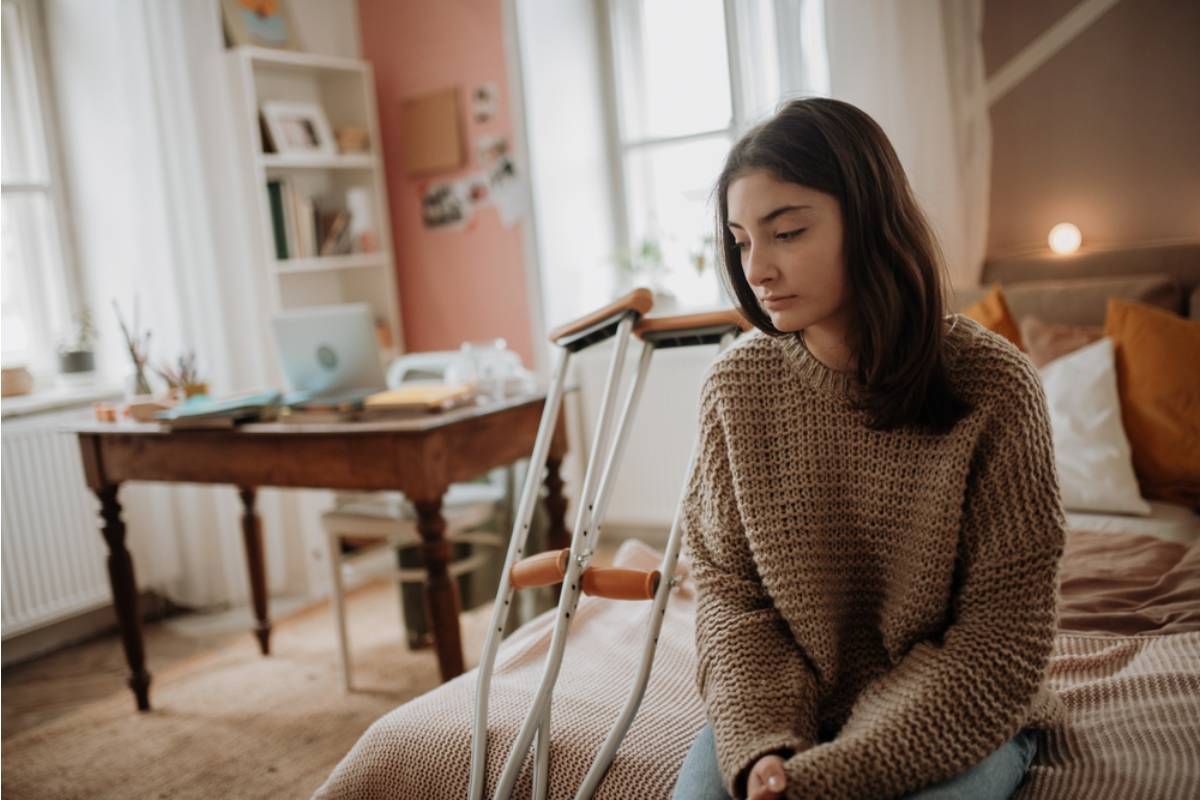
Dad Says He Refused to Let His Daughter’s Coach Post Her Injury Recovery Timeline Publicly on the Team’s Social Media Page

The first sign that something was wrong came during what should have been an ordinary practice. A promising young athlete went down with an injury that immediately changed the rhythm of her season and her family’s daily life.
As doctors, coaches, teammates, and parents tried to support her recovery, one unexpected request created a conflict no one saw coming. What began as a discussion about motivation and team spirit quickly turned into a debate about privacy, trust, and who gets to decide how much of a child’s personal life belongs online.
A Routine Drill Ended in Silence
Fourteen year old Olivia had spent years playing competitive soccer. She rarely missed practice, stayed after to work on footwork, and had earned a reputation for encouraging younger players.
During a routine passing drill, she planted her foot awkwardly while changing direction. She immediately grabbed her knee and sat on the grass without saying a word. Her teammates stopped moving the moment they realized she was not getting back up.
The Family Focused on Recovery
Doctors confirmed that Olivia would need months of rehabilitation before returning to competitive play. While everyone was relieved surgery would not be necessary, the recovery would require patience and consistent physical therapy.
Her father, Daniel, made it clear that sports could wait. He reminded Olivia that healing properly mattered more than rushing back onto the field. Every evening became a mix of stretching exercises, ice packs, and quiet encouragement around the kitchen table.
The Team Tried to Stay Connected
Olivia’s teammates regularly sent encouraging messages and funny videos from practice. Several girls stopped by with homemade cards signed by the entire roster.
Coach Melissa also checked in every week. She asked about therapy appointments, reminded Olivia that the team missed her leadership, and assured her there would always be a place waiting when she returned. Daniel appreciated those conversations because they felt personal and respectful.
An Email Changed the Conversation
About three weeks into Olivia’s recovery, Daniel received an email from Coach Melissa. She explained that the team wanted to feature Olivia’s recovery journey on the team’s social media pages.
The coach described it as an opportunity to inspire younger athletes. She envisioned weekly updates, photos from therapy sessions, short interviews, and milestones that followers could celebrate together. She believed it would show perseverance and strengthen the team’s sense of community.
A Quick No Became the Only Answer
Daniel read the message twice before calling his wife into the room. Neither of them liked the idea.
He responded politely but firmly that Olivia’s medical recovery was private. He thanked the coach for thinking of their daughter but explained they would not allow pictures, progress reports, or health updates to be shared publicly. As far as he was concerned, healing was not content for social media.
The Coach Tried to Explain Her Intentions
Coach Melissa called later that evening, hoping to clear up any misunderstanding. She emphasized that other athletes had willingly shared similar stories in the past.
She believed younger players often gained confidence by seeing teammates overcome setbacks. She insisted the posts would be positive, carefully written, and approved before publication. Daniel listened without interrupting but remained unconvinced.
Olivia Felt Torn Between Two Worlds
When Daniel explained the conversation, Olivia hesitated before answering. Part of her liked the idea that teammates would remember she was still part of the group.
At the same time, she admitted she hated taking pictures during physical therapy. Some days she struggled with pain and frustration. The thought of people commenting on every improvement or setback made her uncomfortable. She quietly told her father she was relieved he had already declined.
Rumors Started Without Permission
A few days later, teammates began asking Olivia whether her recovery page would be launching soon. Someone had apparently mentioned the idea during practice.
Olivia was surprised because she thought the discussion had ended. Suddenly, players were asking when her first update would appear and whether fans could send questions. She realized people had been talking about plans she had never agreed to.
A Parent Meeting Became Uncomfortable
Daniel requested a meeting with Coach Melissa and the athletic director. He calmly explained that the problem was no longer just the original request.
He questioned why a private proposal had become a topic among players before the family had even agreed. The athletic director appeared surprised and admitted that discussions about another student’s medical situation should never have spread through the team. Coach Melissa apologized for mentioning the idea casually during practice.
Other Families Shared Their Experiences
After word spread about the disagreement, several parents approached Daniel privately. One mother admitted she had once agreed to similar social media updates after her son’s injury.
She later regretted it because strangers began offering medical advice in the comments. Another parent recalled people constantly asking when his daughter would return instead of simply wishing her well. Those conversations reassured Daniel that his concerns were not unusual.
The Team Account Posted Something Unexpected
One afternoon, the team uploaded a general message encouraging injured athletes everywhere to stay positive. Although Olivia’s name was not included, several teammates immediately tagged her in the comments.
Notifications flooded Olivia’s phone. Friends meant well, but suddenly dozens of people were discussing her recovery in a public space. Daniel asked her whether she wanted to respond. She quietly shook her head and put her phone face down on the table.
Therapy Became More Personal
As rehabilitation continued, Olivia started making meaningful progress. She celebrated small victories that only her family and therapist fully understood.
One week she managed a new balance exercise she had struggled with for days. Another week she completed a light jogging session without discomfort. Daniel realized these moments felt more meaningful because they belonged to Olivia instead of an online audience waiting for updates.
The Coach Finally Understood
Near the end of the season, Coach Melissa invited Daniel to speak after practice. She admitted the situation had changed her perspective.
She confessed that she had viewed recovery stories primarily as motivational content without considering how exposed they could make a teenager feel. She thanked Daniel for explaining the emotional side that she had overlooked. The conversation ended with mutual respect rather than lingering resentment.
A Return That Needed No Announcement
Months later, Olivia quietly rejoined practice. There was no countdown, no dramatic reveal, and no carefully edited video documenting her first day back.
Her teammates simply smiled when she stepped onto the field. One player tossed her a ball without making a speech. Another joked that she had better not forget how to pass after all that time away. The normal conversation helped Olivia relax more than any public celebration could have.
The Lesson Reached Beyond One Season
The athletic department later reviewed its social media practices and introduced clearer guidelines for sharing student stories. Coaches were reminded that medical information, injury updates, and recovery progress should never be treated as routine promotional material without thoughtful family consent.
Daniel never believed the coach had bad intentions. He believed she genuinely wanted to encourage others. Even so, he remained convinced that some experiences deserve to stay within the circle of family, close friends, and trusted teammates. Watching Olivia return stronger, happier, and free from the pressure of public expectations confirmed that protecting her privacy had been the right decision. Her recovery became a story of resilience that mattered most to the people who stood beside her every step of the way, not to strangers scrolling through another social media feed.