
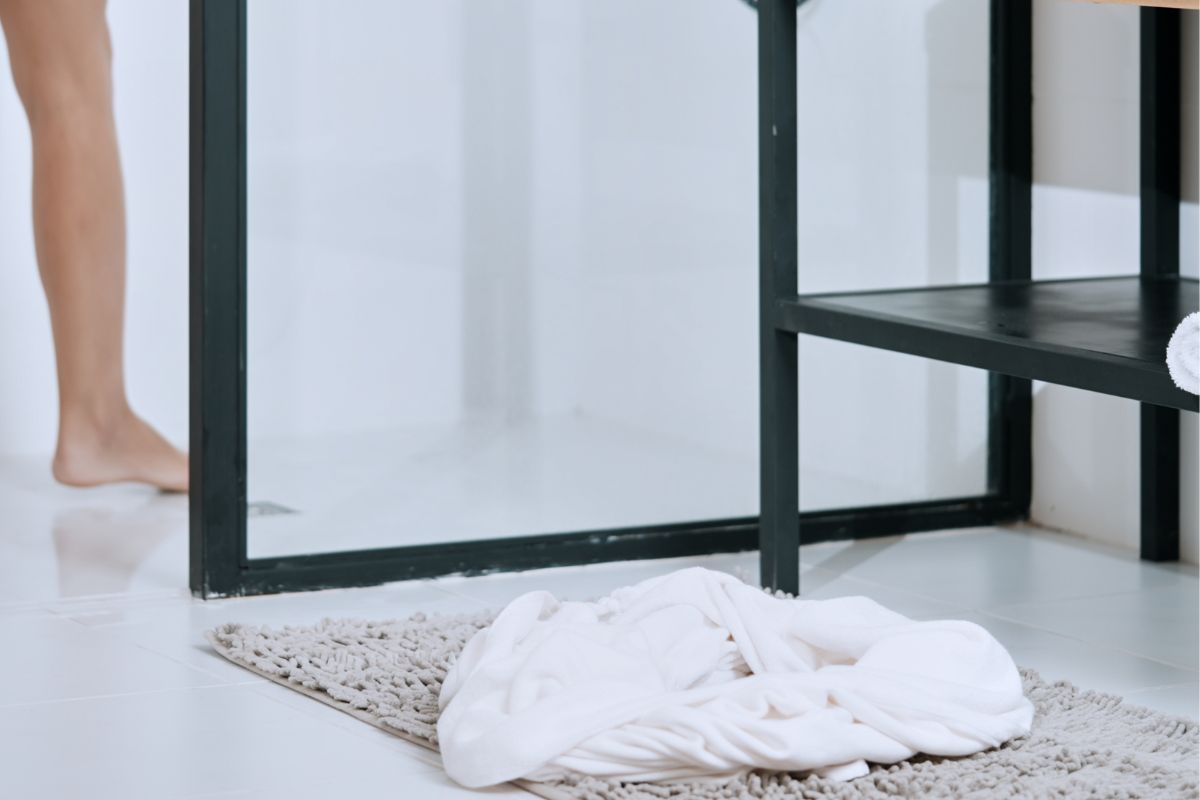
Is It Bad to Leave Wet Bath Mats on the Floor Overnight?

Leaving wet bath mats on the floor overnight is a common practice in many households, but it raises questions about hygiene and potential damage. Bath mats can retain moisture, creating an environment conducive to mold and mildew growth. This can be particularly concerning for families with young children, tweens, and teens, as these conditions can affect indoor air quality and health.
Understanding the Risks
When bath mats are left damp for extended periods, they can become breeding grounds for bacteria and fungi. The warm, humid conditions in bathrooms, especially after a hot shower or bath, can exacerbate this issue. Mold spores can develop, which may lead to respiratory problems or allergies, particularly in sensitive individuals. It’s important to recognize that while the risk may vary depending on the material of the bath mat, all mats can harbor moisture to some extent.
In addition to health concerns, leaving wet mats on the floor can also lead to unpleasant odors. Over time, the accumulation of moisture can create a musty smell that permeates the bathroom, making it less inviting for family members and guests alike. Therefore, it is advisable to consider the implications of leaving bath mats wet overnight.
Follow Parent Diaries on NewsBreak for more everyday parenting debates and practical home tips families are talking about.
Best Practices for Bath Mat Care
To maintain a clean and healthy bathroom environment, there are several best practices for bath mat care. First, it’s essential to wring out excess water from the mat after use. This simple action can significantly reduce the amount of moisture that remains, helping to prevent mold and mildew growth.
Additionally, consider washing bath mats regularly. Most cotton or synthetic mats can be machine washed, which not only cleans them but also helps to eliminate any bacteria that may have settled in. Following the manufacturer’s care instructions is key to ensuring the longevity of the mat while keeping it hygienic.
Another effective strategy is to allow bath mats to dry completely before putting them back on the floor. If possible, hang them up to dry or place them in a well-ventilated area. This practice can help prevent moisture buildup and the associated risks.
Alternatives to Traditional Bath Mats
For families concerned about the hygiene of traditional bath mats, there are alternative options available. Some parents may opt for quick-drying bath mats made from materials designed to resist moisture and bacteria. These mats often feature antimicrobial properties, making them a safer choice for households with children.
Another option is to use bath rugs that can be easily removed and washed frequently. Choosing mats that are lightweight and easy to dry can also help maintain a cleaner bathroom environment.
For those who prefer a more sustainable approach, consider mats made from natural fibers like bamboo or hemp. These materials tend to dry faster than traditional cotton and can be more resistant to mold growth.
Creating a Healthy Bathroom Routine
Incorporating bath mat care into your family’s routine can promote a healthier living space. Encourage children and teens to participate in the cleaning process, teaching them the importance of hygiene and maintenance. This not only fosters responsibility but also instills good habits that they can carry into adulthood.
Establishing a routine where bath mats are washed and dried regularly can help everyone in the household understand the significance of cleanliness in shared spaces. Additionally, setting up a system for drying mats after each use can make it easier for busy families to maintain a clean bathroom without feeling overwhelmed.
By being proactive about bath mat care, parents can create a healthier environment for their children while also reducing the need for frequent deep cleaning. Taking these small steps can lead to a more pleasant and hygienic bathroom experience for everyone.


