What Happens If You Never Clean Your Door Handles?

Neglecting to clean door handles can lead to a buildup of germs and bacteria, which can pose health risks to your family. Door handles are high-touch surfaces, meaning they are frequently touched by various individuals throughout the day. This constant contact can transfer germs, including viruses and bacteria, from person to person. Over time, if these handles are not cleaned regularly, they can become a breeding ground for pathogens, increasing the likelihood of illness, particularly in young children, tweens, and teens who may have less developed immune systems.
Understanding the Risks
Research indicates that common door handles can harbor a variety of germs. For example, studies have shown that surfaces like door handles can carry viruses such as influenza and norovirus, which can survive on surfaces for extended periods. The Centers for Disease Control and Prevention (CDC) emphasizes the importance of regularly disinfecting high-touch surfaces to reduce the spread of germs. This is especially critical in households with young children, who often touch their faces or put their hands in their mouths after touching surfaces.
The implications of dirty door handles extend beyond just the immediate health risks. When germs spread within a household, it can lead to increased absenteeism from school or work due to illness. For parents, this means not only managing sick days but also navigating the challenges of keeping children engaged and healthy.
Cleaning Best Practices
To mitigate the risks associated with dirty door handles, it’s essential to establish a regular cleaning routine. The CDC recommends using disinfectants that are effective against a wide range of pathogens. A simple solution can be made with soap and water or a commercial disinfectant, ensuring that it is safe for the surface material.
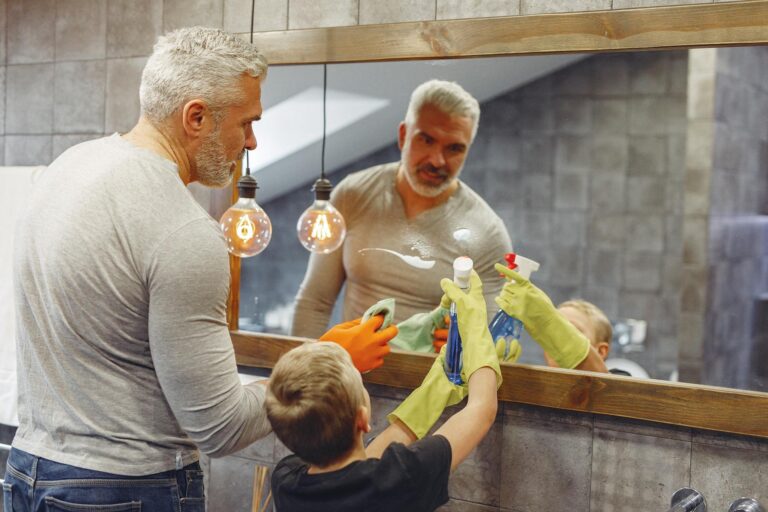
For best results, consider cleaning door handles at least once a day, especially during cold and flu season or after hosting gatherings. Incorporating this task into your daily routine can help create a healthier environment for your family. Involving your children in the cleaning process can also be a great way to teach them about hygiene and responsibility.
Teaching Kids About Hygiene
As parents, it’s crucial to instill good hygiene habits in children from a young age. Teaching them the importance of handwashing and avoiding touching their faces after touching surfaces can significantly reduce the spread of germs. Make it a fun activity by singing a song or using a timer to ensure they wash their hands for a sufficient amount of time.
Additionally, you can encourage your tweens and teens to take responsibility for their own spaces, including cleaning their door handles and other high-touch areas in their rooms. This not only helps maintain a clean environment but also fosters a sense of ownership and accountability for their health and well-being.
By integrating these practices into your family’s routine, you can create a healthier home environment that minimizes the risk of illness. Remember, small actions can lead to significant outcomes when it comes to health and hygiene.