Mom Sparks Debate After Saying She Doesn’t Allow Sleepovers, And Thousands of Parents Agree

For many families, sleepovers used to feel like a childhood rite of passage, pizza, movies, whispered secrets long after bedtime.
But for one mom, that tradition is officially off the table.
In a post that quickly sparked debate among parents, she explained that she does not allow her children to attend sleepovers at other homes, no exceptions. Her reasoning wasn’t dramatic or rooted in a specific incident. Instead, she said it comes down to one simple belief: she cannot fully control what happens once her child is behind someone else’s closed door.
She clarified that she trusts many of the parents in her circle. That isn’t the issue. What concerns her is the unpredictability, older siblings in the house, extended family members stopping by, access to devices, unlocked doors, medications left out, and even differences in supervision styles.
“You never really know who else is around,” she wrote. “And I’m not willing to gamble with that.”
Her comments touched a nerve.
Some parents responded immediately with support, saying they follow the same rule in their homes. Several shared that they also avoid sleepovers because of safety concerns that aren’t always visible on the surface. Others said they host “late-night playdates” instead, where kids stay until 10 or 11 p.m. but return home to sleep in their own beds.
One parent commented, “We do everything but the overnight part. It’s just not worth the anxiety.” Another wrote, “The world feels different now than it did when we were kids.”
But not everyone agreed.
Some parents argued that banning sleepovers can limit independence and social bonding. They pointed out that many of their best childhood memories came from nights spent at friends’ houses, building forts, sharing secrets, and learning how other families live.
One mom wrote, “You can’t eliminate every risk in life. At some point, kids need to learn how to navigate the world.”
The debate quickly turned into something bigger than just sleepovers. It became a conversation about how modern parenting has shifted.
In past decades, many children roamed neighborhoods until dark and stayed overnight with friends without much hesitation. Today, parents are often more cautious. Stories shared online, increased awareness about child safety, and constant news cycles have reshaped how families assess risk.
Some experts say the rise in protective parenting isn’t necessarily about fear, it’s about access to information. Parents today hear more stories, see more warnings, and are constantly reminded of worst-case scenarios. That can change decision-making.
At the same time, others argue that children benefit from manageable independence. Sleepovers can teach flexibility, social skills, and confidence away from home.
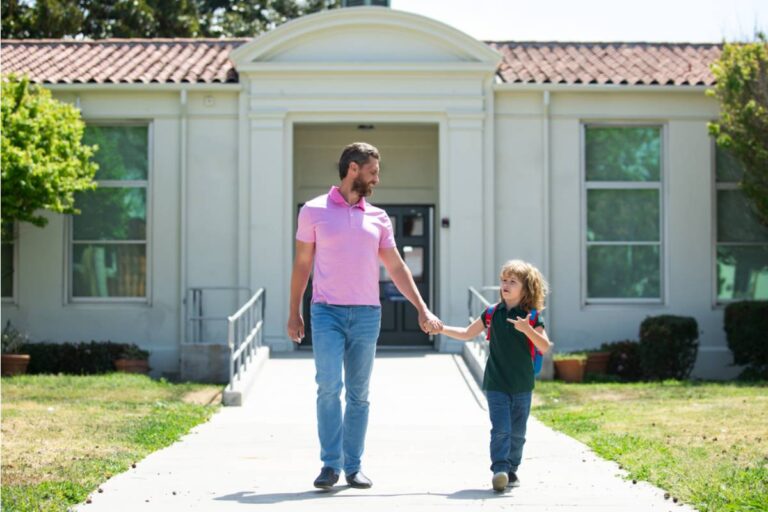
The original mom made one thing clear: her decision isn’t about judging other families. It’s about her comfort level. She also said her children are not isolated; they still attend birthday parties, sports, and late evening gatherings.
“We just skip the overnight part,” she explained.
And judging by the thousands of responses, she’s far from alone.
For some parents, sleepovers still represent harmless fun and tradition. For others, they’re a boundary that feels reasonable in today’s world.
The question now sparking debate across households is simple:
Is saying no to sleepovers overprotective, or simply cautious parenting in a different era?
You Might Also Like: