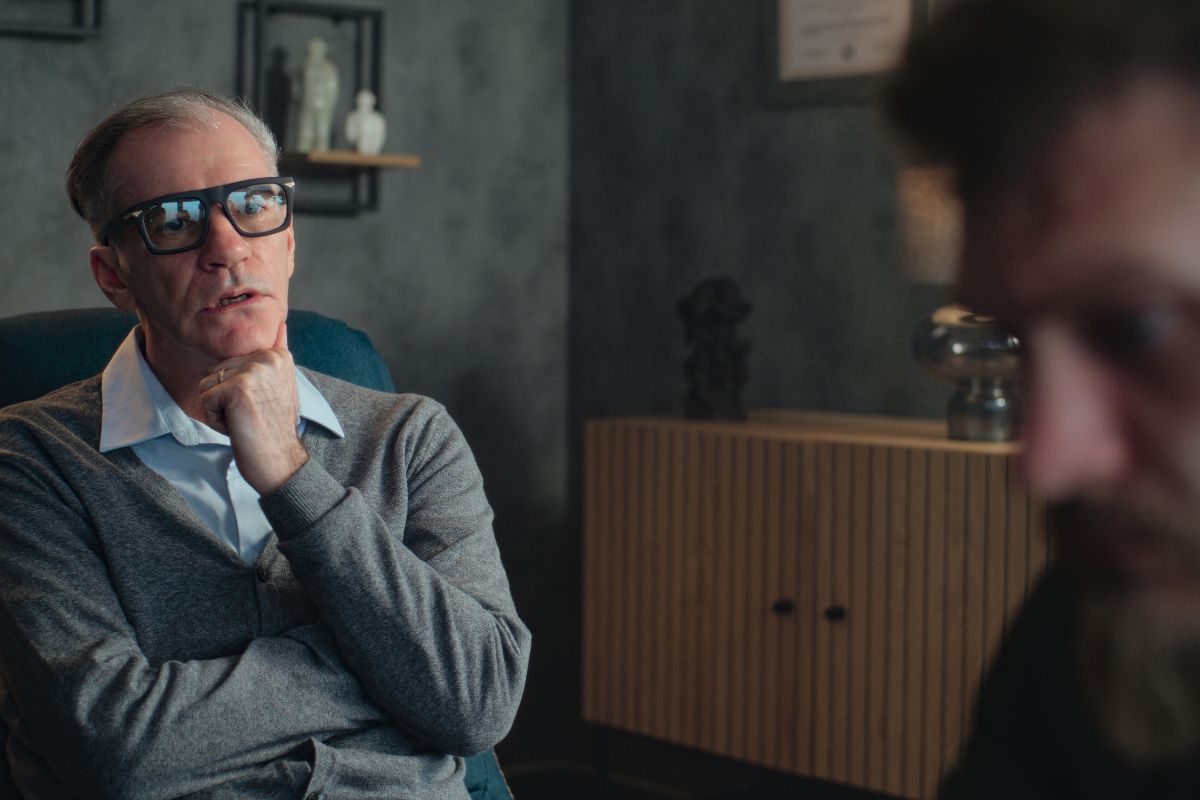
Therapist Says You “Can’t Be MAGA and Also Be a Therapist,” and the Internet Has Strong Reactions

A TikTok video from a licensed counselor is sparking intense debate online after he argued that therapists cannot ethically support the MAGA political movement while also providing care to patients affected by its policies.
The video, posted by a counselor who goes by “Therapy Jeff” online, quickly went viral after he delivered a blunt message that many viewers found both provocative and controversial.
In the clip, he argues that therapists cannot properly support patients if they also support political movements that those same patients may see as harmful or traumatic.
His core point is simple but blunt.
“You can’t hold space for someone’s trauma while supporting the system that has traumatized them,” he says in the video.
The statement immediately sparked a flood of reactions across social media platforms, with thousands of users weighing in on whether political beliefs should matter when it comes to mental health care.
The therapist explains that mental health professionals are expected to follow ethical guidelines that require them to respect the dignity and identity of all patients. He argues that supporting policies that target marginalized groups could conflict with that responsibility.
In the video, he specifically mentions issues such as immigration enforcement, transgender rights, and reproductive rights as examples of policies that some patients say cause fear, stress, or emotional harm.
From his perspective, therapists who support those policies may struggle to fully understand the experiences of patients who feel directly affected by them.
Not surprisingly, the internet had plenty to say about the claim.
Some viewers strongly agreed with the therapist’s argument, saying that mental health care requires empathy and understanding that could be difficult if a therapist supports policies that a patient feels are harmful.
One commenter wrote that they had actually stopped seeing a therapist because of political disagreements, saying they no longer felt safe sharing personal struggles in that environment.
Others echoed that sentiment, saying therapy depends heavily on trust and that feeling judged or misunderstood could make it difficult for patients to open up.
But plenty of people pushed back against the idea as well.
Critics argued that professionals in many fields are expected to separate their personal beliefs from their work. They pointed out that doctors, lawyers, teachers, and therapists regularly treat people with very different values and perspectives.
Some commenters said that if therapists were only able to treat patients who shared their political views, it could limit access to mental health care.
Others said the idea raises complicated questions about whether personal beliefs should affect someone’s ability to do their job.
The debate also highlights how deeply politics has become intertwined with everyday life in the United States, including spaces that were once considered more neutral, like workplaces, schools, and healthcare settings.
Mental health professionals are often trained to create environments where patients feel heard, respected, and supported regardless of their background or beliefs. But as political divisions grow stronger, some therapists say those boundaries can become harder to navigate.
For patients seeking therapy, the issue may come down to personal comfort.
Some people prefer therapists who openly share their values or perspectives, believing it creates a stronger connection and understanding.
Others prefer therapists who keep their personal beliefs entirely private so that sessions remain focused solely on the patient’s needs.
As the TikTok continues circulating online, the discussion shows no sign of slowing down.
What started as a short video about therapy ethics has quickly turned into a much larger conversation about politics, professionalism, and whether personal beliefs can ever truly be separated from the work people do every day.
And judging by the thousands of comments pouring in across social media, it’s a conversation many people clearly feel strongly about.
More from Parent Diaries: