A Mom Says Her Daughter’s Piano Teacher Cancelled Lessons Three Times in a Row but Still Charged Full Price, Calling It “Studio Policy”

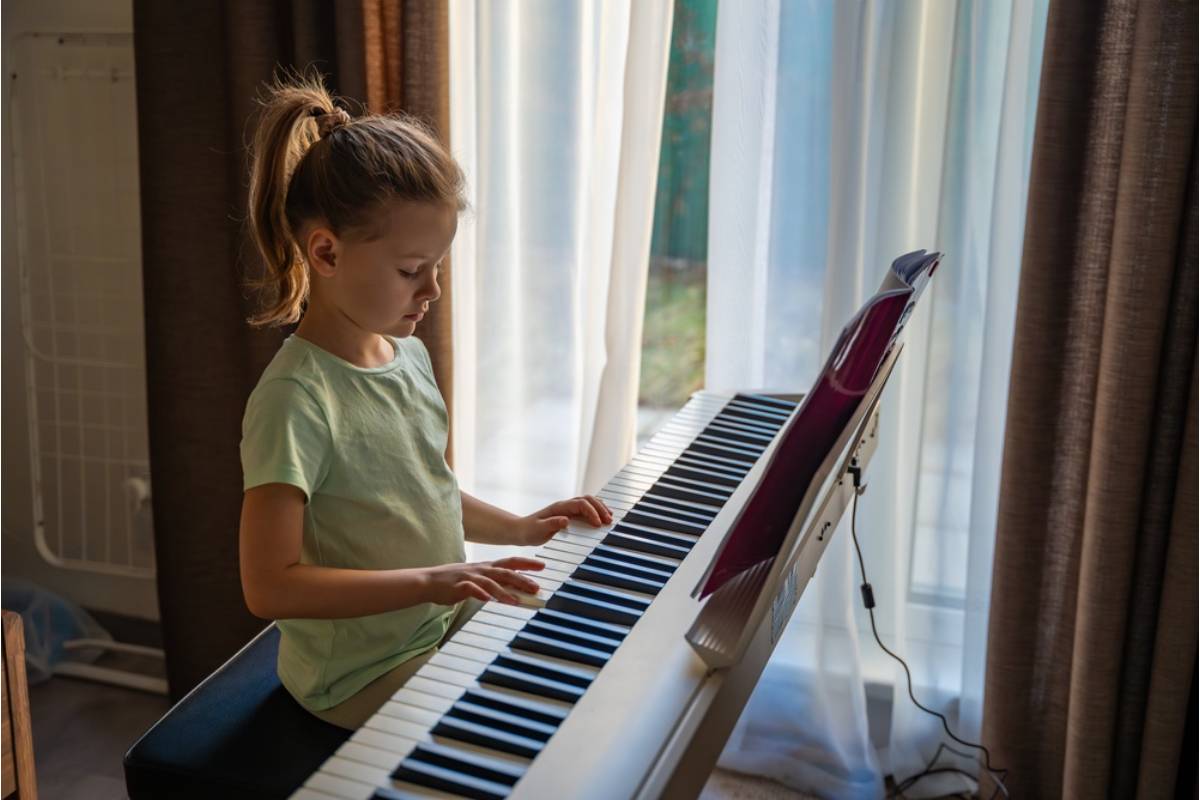
When Jennifer enrolled her ten year old daughter, Sophie, in weekly piano lessons, she hoped music would become something her daughter loved for years. Sophie practiced faithfully every afternoon, carefully marking difficult sections with sticky notes and proudly performing new songs for anyone who would listen.
Jennifer respected her teacher’s experience and appreciated the structured approach that kept Sophie motivated. For nearly a year, everything seemed to run smoothly, and every lesson felt like another step forward. Then, without warning, three consecutive lessons were cancelled, and what happened afterward left Jennifer questioning whether the studio valued its students as much as it claimed.
The First Cancellation Seemed Understandable
On a Tuesday afternoon Jennifer received a short message from the piano teacher explaining that an unexpected personal matter had come up. The lesson would need to be cancelled, and the teacher apologized for the inconvenience. Jennifer immediately replied with kind wishes and told her not to worry.
Life happened, and Jennifer believed everyone deserved understanding during difficult moments. Sophie was disappointed, but she spent the evening practicing anyway because she wanted to be ready for the following week’s lesson.
Another Message Arrived
The next week, just a few hours before lesson time, Jennifer’s phone buzzed again. This time the teacher explained that she was feeling unwell and could not teach that afternoon. She promised to see everyone the following week.
Jennifer was surprised but remained patient. Sophie looked disappointed because she had been excited to perform the new piece she had practiced every day since the previous cancellation. Still, they assumed things would return to normal soon.
The Third Week Changed Everything
When the third cancellation arrived, Jennifer stared at her phone in disbelief. The message explained that a scheduling conflict required lessons to be postponed once again. There was no mention of make up sessions or future arrangements.
Sophie quietly placed her music books back into her backpack without saying much. Jennifer realized her daughter was beginning to lose enthusiasm. Weeks of preparation without feedback had made practice feel repetitive instead of rewarding.
The Invoice Raised New Questions
At the end of the month Jennifer received the usual invoice from the studio. Expecting to see an adjustment, she opened it without concern. Instead, she discovered the full monthly tuition had been charged exactly as if every lesson had taken place.
Thinking it had to be an oversight, Jennifer politely emailed the office. She explained that three consecutive lessons had been cancelled by the teacher and asked whether the bill had been sent before the schedule was updated.
The Reply Caught Her Off Guard
The studio manager responded quickly and thanked Jennifer for reaching out. Then came the sentence she read several times before believing it. According to the email, cancellations initiated by the instructor remained fully billable because that was the studio’s established policy.
Jennifer could hardly understand the explanation. She had expected policies covering student absences, but charging families for lessons that never happened seemed entirely different. The email offered no alternative solution.
Sophie Asked a Difficult Question
That evening Sophie noticed her mother reading the email again. She asked whether the teacher had forgotten about the missed lessons. Jennifer carefully explained that the studio still expected payment even though the lessons had been cancelled.
Sophie looked confused before asking, “If I skipped three lessons, would we still have to pay?” Jennifer admitted the answer was yes. Sophie quietly responded, “Then why is it different when they cancel?”
Other Families Shared Similar Stories
Jennifer decided to speak with a few parents she recognized from the waiting area. To her surprise, several immediately understood why she was asking. One family described nearly the same experience from the previous winter.
Another parent admitted she had accepted the charges because she assumed there was nothing she could do. A third family quietly confessed they had considered leaving the studio but worried about disrupting their child’s progress.
The Teacher Finally Called
A day later the piano teacher personally called Jennifer. She sounded genuinely apologetic about missing so many lessons and explained that several unexpected personal situations had happened one after another. Jennifer appreciated the honesty and expressed sympathy.
Then Jennifer asked whether the studio had considered offering make up lessons. The teacher paused before admitting those decisions came from studio management rather than individual instructors. She sounded just as uncomfortable discussing the policy as Jennifer felt hearing about it.
The Studio Owner Defended the Rules
Jennifer requested a meeting with the studio owner instead of continuing the conversation through email. The owner explained that monthly tuition reserved each student’s lesson time regardless of occasional cancellations. According to him, maintaining teacher income created consistency throughout the year.
Jennifer understood the importance of supporting instructors. However, she questioned whether consistency should mean families paying for lessons that never actually happened. She suggested there had to be a fairer balance between both sides.
Parents Organized a Respectful Discussion
Rather than arguing individually, several families requested a group meeting with studio leadership. Nobody demanded refunds during the first conversation. They simply wanted to explain how repeated cancellations without replacement lessons affected both children and parents.
The discussion remained calm throughout the evening. Parents emphasized that they valued the teachers and wanted the studio to succeed. Their concern centered on fairness and maintaining trust when unexpected disruptions occurred.
An Instructor Shared an Honest Perspective
Near the end of the meeting one longtime instructor quietly asked to speak. She explained that teachers themselves often wished they could offer make up lessons but were limited by studio scheduling policies. Several instructors had privately suggested changes over the years.
Her comments surprised many parents. The issue was no longer viewed as teachers versus families. Instead, everyone realized the disagreement centered on how the studio handled unavoidable interruptions.
Sophie Began Losing Confidence
As another week passed without regular instruction, Jennifer noticed Sophie practicing less enthusiastically. She no longer eagerly counted down to lesson day or proudly performed new songs after dinner. The missed guidance had interrupted more than just the schedule.
Jennifer worried that losing momentum at such an important stage could affect Sophie’s long term interest in music. Piano had once been the highlight of every week. Now it felt uncertain.
The Studio Announced a Change
Several days after the parent meeting, an email arrived from the studio owner. He acknowledged that recent events had highlighted weaknesses in the existing cancellation policy. Beginning the following month, instructor initiated cancellations would automatically include either a make up lesson or a tuition credit.
The announcement also promised clearer communication whenever unexpected situations arose. Parents appreciated that the studio addressed the concern without placing blame on individual teachers.
The First Lesson Back Felt Different
When Sophie finally returned to her regular lesson, her teacher greeted her warmly and apologized once more for the interruption. Instead of rushing into scales and exercises, she asked Sophie to play everything she had continued practicing on her own.
The teacher smiled throughout the performance and praised Sophie’s dedication. Sophie left the studio with renewed excitement because someone had finally recognized the work she had continued doing during those difficult weeks.
A Better Understanding Moved Everyone Forward
Jennifer later reflected that the real problem had never been the cancelled lessons themselves. Unexpected events happen in every profession, and most families understand that. What created frustration was feeling expected to accept the financial responsibility without meaningful communication or alternatives.
By listening to parents instead of dismissing their concerns, the studio strengthened its relationship with the families it served. Sophie continued taking lessons with confidence, the teachers felt supported by clearer procedures, and parents regained trust in the program. In the end, everyone discovered that the strongest policies are not the ones that never change, but the ones willing to improve after honest conversations reveal where fairness has been overlooked.