Teen Says He Refused to Let His Stepmom Sign His Report Card “Since She’s Not His Real Mom,” Now His Dad Says He’s “Disrespecting Someone Who Shows Up Every Day”

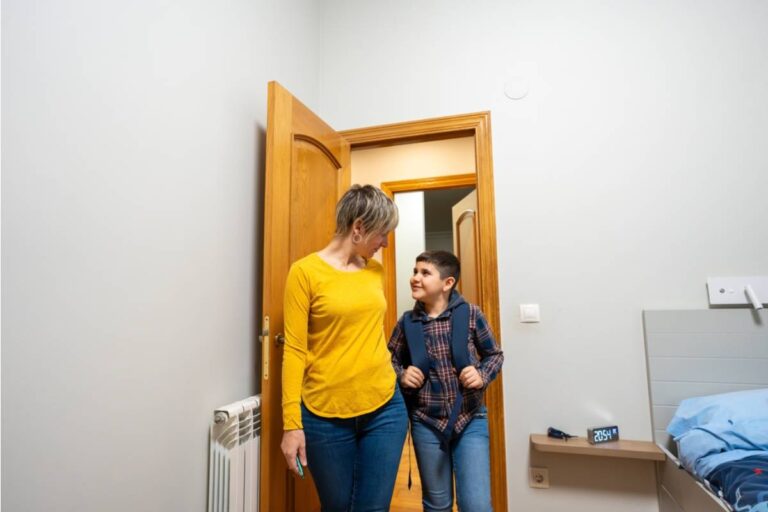
A teenage boy in a suburban school district in North Carolina found himself at the center of a family dispute after refusing to let his stepmother sign his school report card. The school had recently updated its policy allowing a parent or legal guardian to sign academic documents, which led to confusion at home.
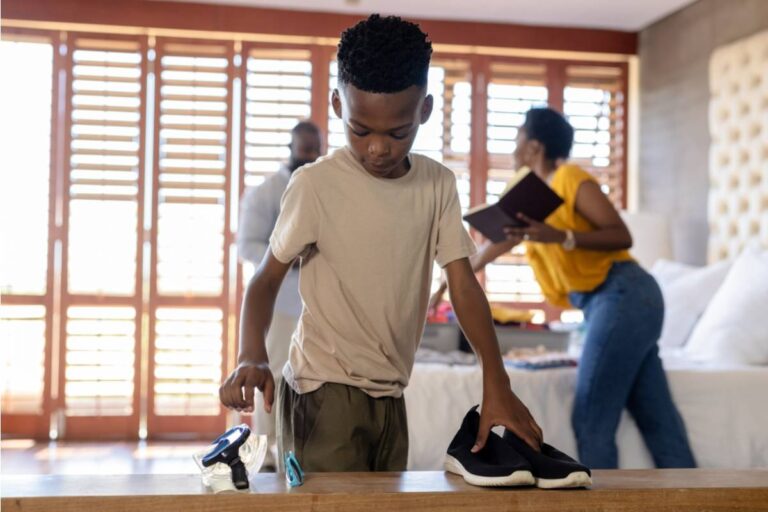
His father expected his wife to handle school paperwork as she was actively involved in his day to day life. The teen, however, insisted that only his biological mother should sign anything official. That disagreement quickly turned into a deeper argument about respect, roles, and family boundaries.
The Report Card That Sparked the Argument
The issue began when the school sent home a progress report requiring a parental signature. The stepmother offered to sign it as she usually helped with school communication and homework. The teenager immediately refused and said he would wait until he could give it to his mother instead. His tone was firm, not emotional, but it surprised everyone at the table. The father asked why it mattered so much, and the boy repeated that it was a matter of principle. That answer did not sit well with the household.
A Simple Task Turns Into a Debate
What should have been a quick signature turned into a longer conversation about family roles. The stepmother explained she was not trying to replace anyone, just handling daily responsibilities. The teen responded that responsibility did not automatically equal authority. The father tried to mediate but grew frustrated as both sides stood firm. Dinner ended early with little resolution. The report card remained unsigned on the counter.
School Policy Adds More Confusion
The next day, the father contacted the school to clarify who was allowed to sign official documents. The school confirmed that any legal guardian listed on file could sign. This information made the situation more complicated at home rather than simpler. The teen argued that policy did not change how he felt about the situation. The father saw it as a practical issue, while the son saw it as a personal boundary. Neither perspective shifted.
The Stepmom’s Quiet Frustration
The stepmother did not react immediately but later expressed that she felt excluded. She said she had attended school meetings, helped with assignments, and handled emergencies. From her perspective, she was fully involved in his upbringing. The teen acknowledged her efforts but maintained his position. He said involvement was not the same as being his parent in that specific sense. That distinction created emotional distance in the home.
A Conversation With His Mother
The teen later spoke with his biological mother over the phone about the situation. She told him she understood why he felt that way but suggested he be careful about how he expressed it. She said family situations were complicated and required flexibility. The teen felt reassured but did not change his stance. He still planned to wait for her signature. The conversation reinforced his original decision.
The Father Draws a Hard Line
After days of tension, the father told his son that refusing his stepmother was disrespectful. He emphasized that she was present, responsible, and involved in daily life. The teen responded that respect did not require agreement. The argument escalated quickly, with both raising their voices before stopping. The father said the issue was no longer just about a signature. It had become about how the household functioned.
Tension Spreads Through Daily Routine
After that confrontation, the atmosphere at home became noticeably strained. Conversations were shorter, and interactions were more formal than usual. The stepmother continued her normal responsibilities, but the emotional distance was clear. The teen avoided unnecessary discussions with both adults. Even small tasks like meals and rides felt heavier than before. The report card remained untouched.
School Follow Up Brings Pressure
A school counselor eventually followed up after noticing the missing signature. The father explained the situation briefly without going into full detail. The counselor suggested that communication between all guardians might help resolve the confusion. The teen felt uncomfortable being part of what he saw as an adult disagreement. He insisted again that his decision was not meant to cause problems. The school closed the issue temporarily but recommended resolution at home.
A Family Meeting Gets Scheduled
The father organized a sit down conversation involving all three adults in the household. The goal was to clarify expectations moving forward. The teen attended reluctantly and stayed mostly quiet at first. Each adult explained their perspective without interruption. It became clear that the disagreement was not about school paperwork alone. It was about recognition and identity within the family structure.
The Teen Explains His Position
When asked directly, the teen said he was not rejecting his stepmother as a person. He explained that signing something official felt like crossing a line that he was not ready for. He said it was about emotional boundaries, not disrespect. The stepmother listened but admitted she felt hurt by the distinction. The father looked frustrated but tried not to interrupt. The room stayed tense but controlled.
A Compromise Is Suggested
The school suggested that both parents could be included in academic communications going forward. The idea was to avoid placing single responsibility on any one adult. The father considered it a practical solution. The stepmother agreed, though she remained emotionally affected. The teen did not fully object but did not express agreement either. The report card issue remained unresolved in feeling, even if functionally addressed.
A Changed but Stable Household
Over time, the household settled into a quieter routine. The teen continued school without further signature conflicts, as communication shifted to digital updates. The stepmother remained involved in daily life, though emotional distance persisted. The father tried to balance both perspectives without escalating further conflict. Nothing returned fully to normal, but open arguments stopped. The situation left behind a lasting awareness that roles in blended families are not always easily defined.