Swallowing Two or More Magnets Can Kill a Child, a Seattle Children’s Pediatrician Warns as Holiday Toy Shopping Starts

“Swallowing two or more magnets can cause them to stick together inside of a child’s body and cause injury or death,” said Dr. Sheela Sathyanarayana, a pediatrician and environmental health specialist at Seattle Children’s, in ParentMap’s holiday toy guide. Her warning comes as Black Friday shopping begins, and magnets and button batteries are two hazards she says families should keep away from the youngest children.
Both are small, both turn up in gifts and household gadgets, and both can hurt a child in ways that are easy to miss at first. Here is what pediatric and federal safety sources say about each one.
Why Two Magnets Are Worse Than One
A single swallowed magnet usually behaves like any other small object. The danger starts when a child swallows more than one. According to HealthyChildren.org, the American Academy of Pediatrics’ parent site, high-powered magnets can pull together across layers of the digestive system with enough force to cause serious damage, and swallowing more than one can be life-threatening.
Sathyanarayana told ParentMap that young children should avoid toys with multiple magnets, and that older children who play with magnet toys need a reminder not to put them in their mouths. Seattle Children’s own toy-safety page adds that children should not play with powerful, loose magnetic balls, and that magnet toys should be checked regularly for magnets that are loose or missing.
The warning signs are ordinary ones. HealthyChildren.org lists abdominal pain, vomiting and fever, symptoms that are common in children and can hide a swallowed magnet for a while. The AAP says anyone who suspects a swallowed magnet should contact the pediatrician or go to the nearest emergency department right away, because surgery may be needed and delays can be fatal.
The numbers explain the concern. The Consumer Product Safety Commission estimated that 26,600 magnet ingestions were treated in hospital emergency rooms from 2010 through 2021, with cases rising each year since 2018, and it knew of seven deaths, in its 2022 announcement of a new magnet standard. In its report on 2022 toy injuries, the agency described one death in which a 6-year-old swallowed toy magnets and died of complications from a small bowel perforation.
What Makes a Button Battery Dangerous Within Hours
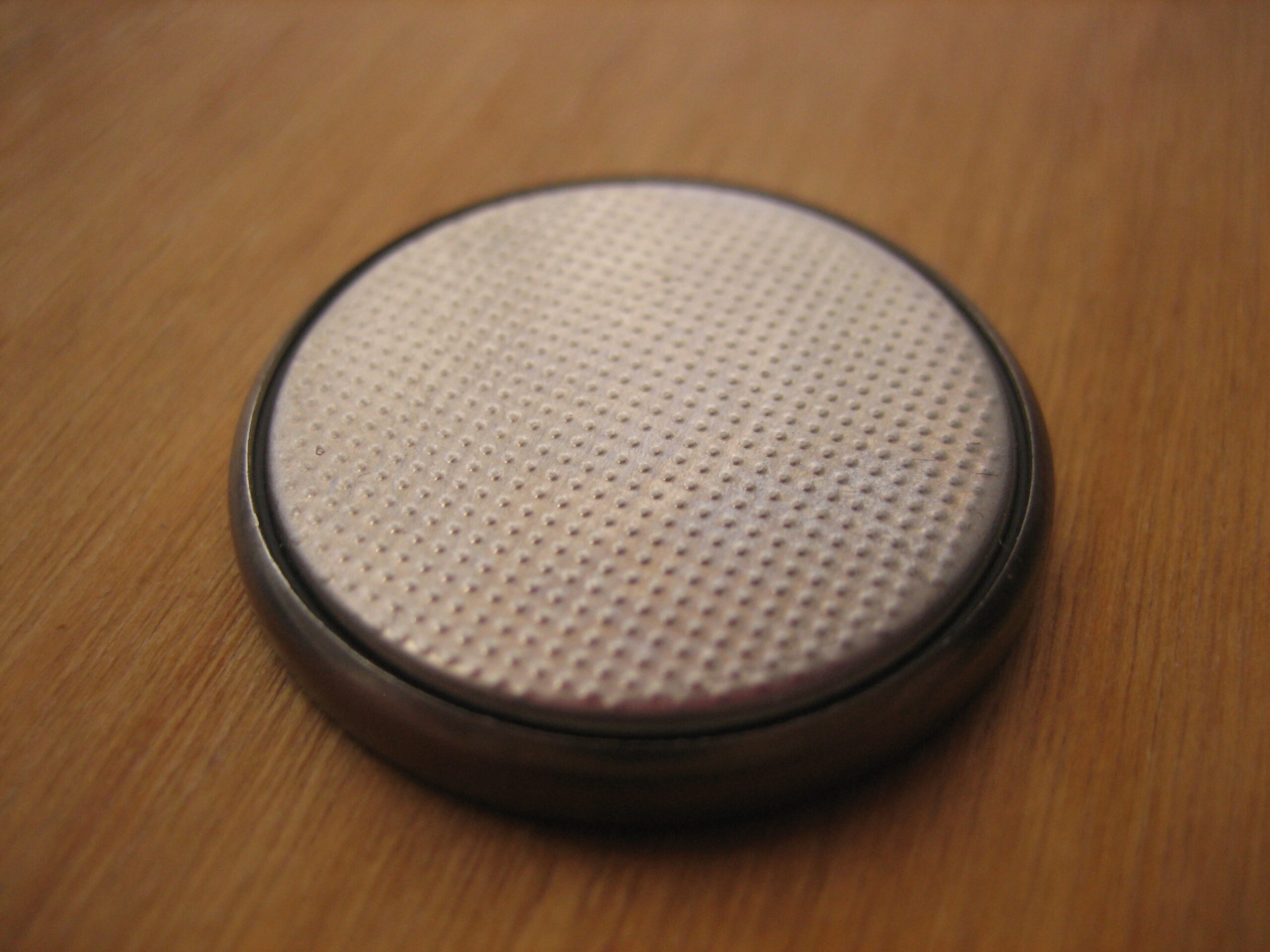
Button and coin batteries are the second hazard Sathyanarayana named. She said children often swallow them, partly or completely, or push them into their ears or noses, and that beyond the choking risk they can burn delicate tissue in the ears, nose and esophagus.
The speed is what sets them apart. The National Capital Poison Center says severe damage can occur in just 2 hours when a battery is stuck in the esophagus, and reports that more than 3,500 people in the country swallow button batteries each year. The AAP’s guidance on button and lithium coin batteries says lithium coin batteries about 20 millimeters across, roughly the size of a nickel, are the most dangerous for young children.
Seattle Children’s recommends that battery-operated toys have a battery cover that closes with screws, and that families find the other devices at home that use these batteries, such as remote controls, and keep them out of reach or make sure the compartments are secured.
What the Federal Rules Cover, and What They Skip
Two federal actions followed the rise in injuries. The magnet standard approved in 2022 requires loose or separable magnets in covered products to be too large to swallow or weak enough to lower the risk of internal injury, according to the CPSC. HealthyChildren.org notes that the rule does not cover toys for children under 14, which fall under existing toy standards, so a toy label is not the same as a covered product.
For batteries, Congress passed Reese’s Law in August 2022, and the CPSC approved a mandatory standard in September 2023. The agency’s announcement says batteries must come in child-resistant packaging with warning labels, and that battery compartments must open only with a tool such as a screwdriver or coin, or require at least two independent hand movements. The agency counted 27 deaths and an estimated 54,300 emergency room injuries linked to swallowed or inserted button and coin batteries from 2011 through 2021.
Sathyanarayana put the everyday defense simply in ParentMap: the best way to protect children is to watch them while they play and to make sure toys are age appropriate.
Where to Call and What to Do While Waiting
For a swallowed battery, Seattle Children’s and the National Capital Poison Center both point families to the 24-hour National Battery Ingestion Hotline at 800-498-8666, or to an emergency room right away. The AAP says not to induce vomiting and not to delay care while looking for anything else.
One step the poison center and the AAP both describe is honey. If the child is older than 12 months, can swallow, and the battery was swallowed within the past 12 hours, they advise 2 teaspoons of honey every 10 minutes on the way to the hospital, up to six doses. Both stress that honey is never a reason to delay the trip. Nothing else should be given to eat or drink until an X-ray shows where the battery is.
For magnets, there is no home remedy. The AAP’s advice is to call the pediatrician or go to an emergency department, and to report injuries to the CPSC at SaferProducts.gov. At home, the AAP suggests removing rare-earth magnets, locking away small or loose magnets, and picking up stray ones promptly.
A broader checklist for holiday gifts, covering strings and small parts, is in an earlier Parent Diaries piece on toy safety checks. The CPSC’s report puts the stakes in perspective: about 159,500 children 14 and younger were treated in emergency departments for toy-related injuries in 2022.
Get stories like this by email. Sign up for The Parent Diaries Letter.
This article was produced with AI assistance and edited for accuracy against the sources linked above.
Image: I G – CC0/Wikimedia Commons