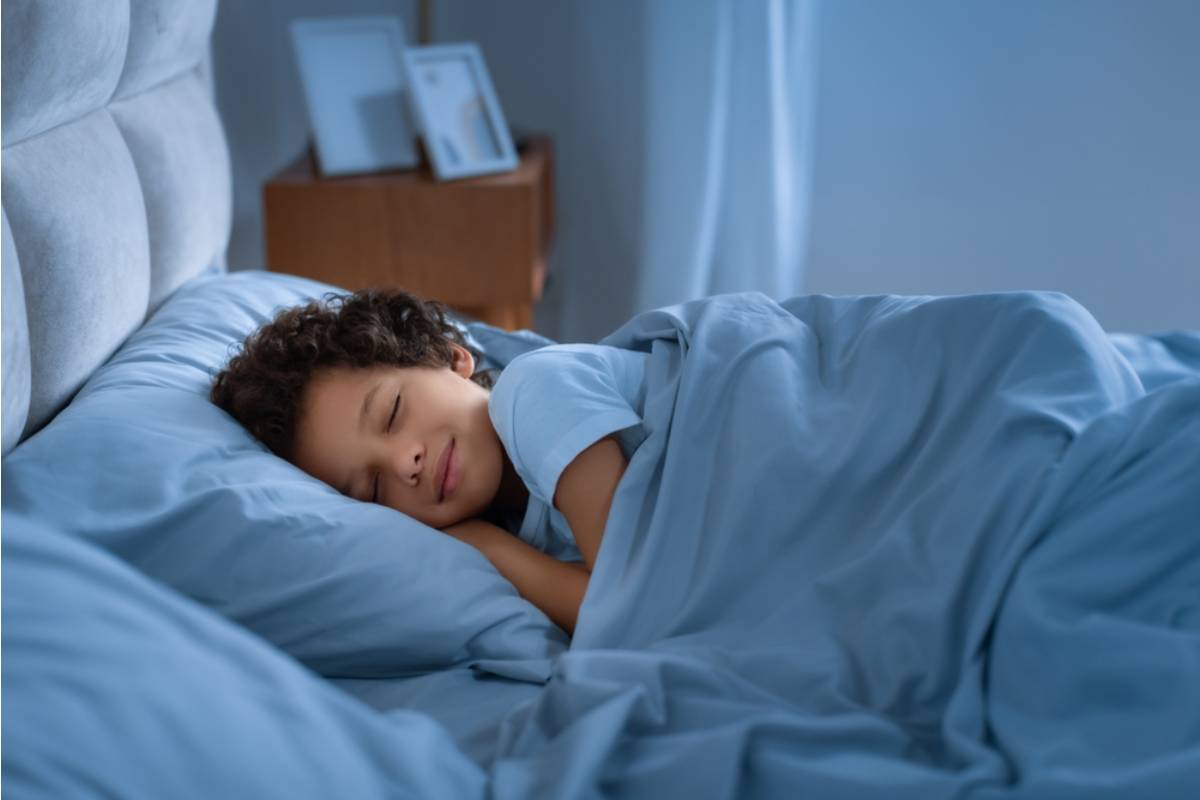
A Mom Says Her Young Kids Sleep in Tomorrow’s Clothes After Their Nightly Bath, and She Was Surprised by What Other Parents Thought Was “Gross”

A person shared his story about a parenting shortcut that had quietly become part of the family’s nightly routine. After giving her children a bath, she dressed them in the clothes they would wear the following day instead of putting them into pajamas. Her reasoning was simple: mornings were easier when the kids woke up already dressed.
The children were both under seven, and the routine was not exactly chaotic. They bathed, changed into clean clothes, brushed their teeth, used the bathroom, listened to a bedtime story, and went to sleep. Yet someone had recently told the parent that sleeping in tomorrow’s clothes was “gross and icky,” leaving her wondering whether she had accidentally invented a parenting habit everyone else considered strange.
The Shortcut That Saved the Morning
The idea had originally come from a therapist several years earlier. The suggestion was practical rather than glamorous: eliminate the morning battle by moving the clothing decision to the night before. Instead of negotiating over shirts and pants while everyone was half-awake, the children simply woke up ready to begin the day.
For this family, it worked surprisingly well. The children were clean, the clothes were clean, and the beds were clean, so the parent could not understand what exactly made the arrangement unhygienic. It was less about being lazy and more about removing one small battle from an already busy morning.
The Bath Came Before the Clothes
The parent made one detail especially clear. The children were not climbing into bed after spending the entire day playing outside and then wearing those same clothes again. They were taking a bath immediately before putting on the next day’s outfit.
That meant the clothing started its nighttime journey on a freshly washed child. The bedtime routine continued with teeth brushing, a bathroom trip, a story, and finally sleep. In the parent’s mind, this was basically pajamas with a different label.
Then Someone Called It Gross
The surprising criticism came when another person described the habit as “gross and icky.” That comment made the parent question something she had never really thought twice about. If the child was clean and the clothes were clean, was there actually a problem?
A response from a person argued that it depended heavily on the child. Some children sleep quietly and wake up looking almost exactly as they did when they went to bed. Others sweat, drool, toss around, and somehow manage to make a clean shirt look like it survived an overnight wrestling match.
The Sweat Problem Changed Everything
Several responses from people immediately brought up nighttime sweating. Children can spend hours asleep without anyone noticing how much they have perspired. If a child wakes up sweaty, those freshly washed clothes are no longer quite as fresh as they were at bedtime.
That became one of the strongest arguments against the shortcut. One parent explained that their children sweat heavily even with the air conditioning running. For families like that, the morning outfit might technically be clean, but it could still be carrying eight hours of nighttime evidence.
Other Kids Wake Up Looking Completely Fine
Then came the parents who said their children barely changed at all overnight. One person explained that their three-year-old’s clothes looked essentially identical in the morning to how they looked when the child went to bed. There was no obvious sweat, no mysterious stains, and apparently no tiny tornado happening underneath the blankets.
For those families, the habit seemed almost impossible to call gross. A response from a person pointed out that toddlers often wear soft cotton clothes that are not dramatically different from pajamas anyway. If the fabric is comfortable enough to sleep in, the only real difference might be whether little animals printed on it are awake or asleep.
The Wrinkle Debate Suddenly Appeared
Hygiene was not the only issue. Some parents were more concerned about what happened to the clothes after several hours of sleeping. A child could wake up perfectly clean but still look as though they had spent the night being folded, unfolded, and tossed across the bed.
Wrinkles, however, did not bother everyone. A response from a person joked that children are going to wrinkle their clothes during the day anyway. Between sitting, playing, climbing, eating, and running around, the perfectly ironed appearance is usually doomed before lunchtime.
One Parent Remembered Doing It as a Kid
The conversation took a nostalgic turn when several people admitted they had slept in their next day’s clothes as children. One person remembered doing it specifically so they could stay in bed longer in the morning. The strategy apparently worked, although the resulting appearance was less “prepared for school” and more “just escaped from a blanket.”
Another response from a person admitted that their own parents eventually stopped allowing it. The child had apparently become a little too committed to the concept. What started as a clever morning shortcut had slowly evolved into a personal philosophy about avoiding clothes changes altogether.
The Teenager Problem Nobody Expected
This was where the discussion developed an unexpected twist. Some parents warned that today’s harmless toddler shortcut could become tomorrow’s teenage disaster. A few people had watched older children progress from sleeping in tomorrow’s clothes to sleeping in today’s clothes and then wearing them again the next day.
That distinction mattered. Sleeping in a freshly washed shirt before wearing it during the day was one thing. Spending an entire day in an outfit, sleeping in it, and then continuing to wear it was a completely different situation. Suddenly, the parents who supported the shortcut were wondering whether they were accidentally training future teenagers to become walking laundry baskets.
The Morning Time Was Worth It
Other parents did not seem remotely concerned about the possibility. One parent explained that getting a toddler ready while also preparing for work was exhausting enough without adding another clothing battle. Eliminating even one tiny task could make the difference between a peaceful morning and a household-wide meltdown.
A response from a person described the practice as especially useful when children were very young. If the clothes were soft, comfortable, and clean, there was little reason to create an argument simply because society had decided pajamas were supposed to be worn at night. The extra few minutes of sleep could be worth far more than perfectly separated bedtime and morning wardrobes.
Some Parents Drew the Line at Jeans
Not every outfit received the same treatment. Several parents said soft shorts, leggings, sweatpants, and T-shirts were perfectly reasonable for sleeping. Jeans, khakis, stiff uniforms, or anything uncomfortable were another story entirely.
One family had developed a simple compromise. The children slept in comfortable clothes when the next day’s outfit was soft enough, but they changed in the morning when they needed something more structured. It created the best of both worlds without forcing anyone to sleep in clothing that felt like it belonged at a formal event.
Pajamas Were About More Than Hygiene
Then came the parents who defended traditional pajamas for an entirely different reason. For them, bedtime clothing was part of the psychological transition from daytime to nighttime. The moment the pajamas went on, the children knew the running, playing, and chaos were winding down.
A response from a person described bedtime as a protected routine that included baths, pajamas, stories, and sleep. From that perspective, the clothes were not simply fabric designed to keep a child warm. They were a signal that the day was finished, and changing into them helped everyone shift gears.
The Kids Did Not Seem to Mind
The strongest argument in favor of the shortcut came from the children themselves. If a child was comfortable sleeping in the outfit and happy to wake up already dressed, there was not much evidence that the arrangement was causing distress. The morning clothing battle disappeared, and everyone got a few extra minutes of peace.
Some parents even discovered that their children preferred soft everyday clothes to traditional pajamas. One response from a person described a household where the children practically lived in T-shirts, leggings, and soft shorts. For those kids, the difference between pajamas and regular clothing was apparently more theoretical than practical.
The Routine Was Still There
One criticism suggested that sleeping in regular clothes might destroy a child’s bedtime routine. But the parent quickly pointed out that the routine itself had not disappeared. Bath time still happened, teeth were still brushed, stories were still read, and bedtime still arrived at the same time.
The only thing that changed was the clothing. Instead of bath followed by pajamas, the family had bath followed by tomorrow’s outfit. Everything else stayed exactly where it belonged, which made the argument about “routine” much less convincing for this particular household.
The Real Question Was Whether It Worked
As more responses from people arrived, the answer became increasingly obvious: there was no universal rule. Some children sweat heavily, some barely move during sleep, some hate daytime clothes at night, and others treat a T-shirt as appropriate attire for practically every situation. What works beautifully for one family can be completely impractical for another.
The parent had not discovered a revolutionary new parenting system, nor had she committed some terrible hygiene mistake. She had simply found a small trick that made mornings easier. The real test was whether the children stayed comfortable, reasonably clean, and ready to start the day.
And Then Came the Unexpected Verdict
By the end of the discussion, the supposed “gross” habit had turned into something much more ordinary. Plenty of parents admitted they did the same thing, especially with younger children and soft clothing. Others still preferred pajamas, but even many of them seemed to agree that a freshly bathed child sleeping in clean clothes was hardly a parenting scandal.
The biggest twist was that the argument was never really about pajamas at all. It was about finding tiny ways to make family life easier without creating a new problem somewhere else. And if sleeping in tomorrow’s clean T-shirt means one less morning meltdown, some parents clearly consider that a victory worth waking up dressed for.