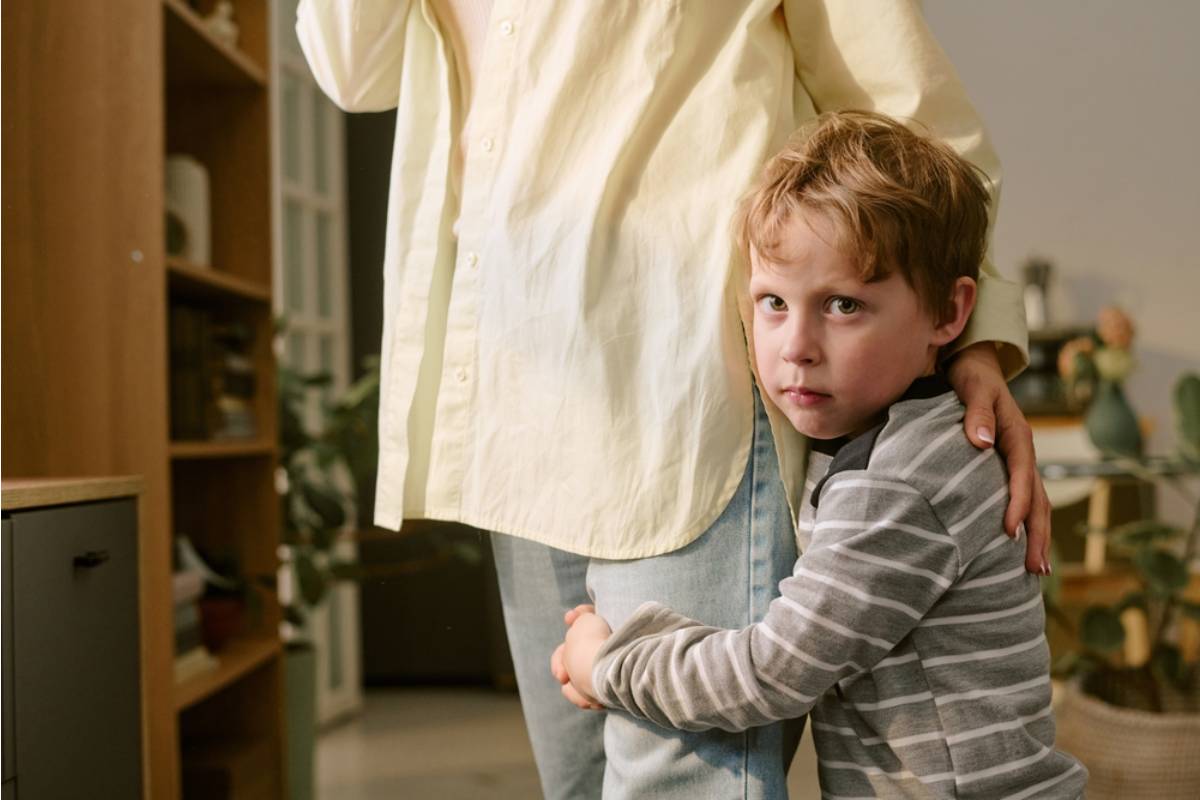
A Mom Says Her Three-Year-Old’s Kindergarten Class Lost a Child During Summer Vacation, and She Wasn’t Sure Whether to Tell Her Before School Started

A person shared his story after parents received heartbreaking news during their children’s summer vacation. One child from the kindergarten had died in an accident while away with family, and the news left the parents wondering what their young children should be told. The school would reopen the following week, which made the question feel even more urgent.
The parents were also trying to collect money for the grieving family so the child’s parents could have more time away from work. It was a thoughtful gesture, but another difficult question remained. Should the children hear about the death before returning to kindergarten, or should the teachers handle it once everyone was back?
A Child Was Suddenly Missing
At three or four years old, children can have surprisingly different reactions to someone disappearing from their daily lives. Some might immediately notice that a familiar classmate is missing, while others may simply move on to the next activity without understanding anything unusual. That uncertainty made the parents wonder whether telling their children could create fear that otherwise might never have existed.
A response from a person pointed out that the bigger problem could be what happened if the child heard the news from someone else. Once children started talking among themselves, the parents would no longer have control over how the story was explained. A simple question could suddenly become a confusing story filled with details that were never meant for a three-year-old.
The Fear of Hearing It From Another Child
Several parents believed it was better for children to hear the truth from someone they trusted. One response from a person described how children can repeat information without understanding how serious it is. A child might hear that someone died and then explain it to another child using completely different words.
That possibility was especially concerning because young children are still learning how language works. One person remembered a child hearing about a family death from another student and then asking the grieving child directly whether it was true. What began as innocent curiosity ended up becoming an unnecessarily painful moment for both children.
The Words Matter More Than Parents Realize
One response from a person suggested using simple and direct language rather than trying to soften the reality. Instead of saying someone had “gone away,” a parent could explain that the child’s body stopped working and that they would not see that child again. The idea was not to give a preschooler every detail, but to answer honestly at the level they could understand.
That distinction became important because young children can interpret expressions extremely literally. Saying someone “went away” could make them worry whenever a parent leaves the house. Saying someone was “sleeping” could make bedtime suddenly frightening, turning an attempt to comfort the child into an entirely different problem.
Why Calling It an Accident Could Backfire
Another response from a person warned that even the word “accident” might be confusing to a three-year-old. Children that age may associate accidents with spilling something, falling down, or not getting to the bathroom in time. They do not necessarily understand that an accident can sometimes have fatal consequences.
The same problem can happen with the word “sick.” One person remembered explaining that a family member had died because he was sick, only for the child to later become terrified whenever someone caught a simple cold. For a young child, one vague word can create a completely different story inside their head.
Some Parents Had Already Learned This Lesson
A response from a person shared an experience involving a child whose mother died while the children were in kindergarten. The family had kept the situation private, so the parent did not initially know what had happened. The child eventually heard the news from another friend and began asking questions.
The most painful part was that the grieving child became the person who had to answer those questions. The parent later realized that a conversation at home beforehand could have prevented the situation. It was a reminder that protecting a child from difficult information can sometimes accidentally put another child in an even harder position.
Preschoolers Do Not All Understand Death the Same Way
Some parents argued that a three-year-old might not understand death well enough for the loss of a classmate to have much meaning. A response from a person noted that some children might barely notice that someone is absent, especially if they did not have a close friendship with that child. Others, however, may immediately recognize that something is different.
That difference is what makes these conversations so difficult. One four-year-old might ask a single question and then return to playing with toys five minutes later. Another might spend several days asking where the child went, whether they are coming back, and whether something similar could happen to their own family.
A Child Might Not Cry at All
One response from a person explained that children do not have to react with obvious sadness for the conversation to be meaningful. A preschooler might hear the news, ask a few questions, and then suddenly become interested in lunch. Adults may interpret that reaction as cold or confused, but young children often process difficult information differently.
The emotions can also appear much later. A child may seem completely unaffected at first and then suddenly ask about the death months or even years afterward. Understanding can grow as the child grows, meaning grief does not always arrive on the same schedule as the adults around them.
Parents Wanted to Be the Ones Answering Questions
A major concern was what might happen if children returned to kindergarten without knowing anything. Teachers could prepare themselves, but parents could not predict what one child might say during playtime. A response from a person described how quickly children can spread information once one of them knows something.
That is why several people felt parents should speak with their children before school reopened. The goal was not to make the child afraid, but to give them a trusted person to return to with questions. If something confusing came up at kindergarten, the child would already have some understanding of what had happened.
The Kindergarten Still Had a Role to Play
Even parents who supported telling children at home believed the kindergarten should have a plan. The teachers were the adults who knew the classroom environment and could anticipate questions from multiple children. They could also decide whether the entire group needed a conversation or whether individual children should receive additional support.
One response from a person described a school where parents were contacted first after a student’s death. The school gave families an opportunity to talk with their children before the students returned. That approach allowed the teachers to support the children while also giving parents control over the first conversation.
The Grieving Family Was Still at the Center
Behind all these questions was a family dealing with a loss far greater than anything the other parents could fully understand. The parents of the kindergarten children were already trying to raise money so the grieving family could take time away from work. Even the question about what to tell the children was ultimately connected to respecting that family’s loss.
The adults also had to consider privacy. A child did not need to know exactly how the accident happened, and there was no reason to turn a tragedy into a collection of frightening details. The simplest explanation could acknowledge the death while still protecting the family’s dignity.
Some Parents Had Introduced Death Earlier
Several responses from people described situations where young children had already encountered death through pets, relatives, or even animals found outside. One parent remembered a three-year-old helping bury a bird and using the moment to talk about life and death. Another had experienced the death of a family member around the same age.
Those experiences suggested that there may not be one magical age when children suddenly become ready to understand death. Instead, children gradually build an understanding through the experiences around them. Sometimes a difficult conversation becomes easier because a child has already learned that death is part of life.
The Biggest Fear Was Not the Conversation
Interestingly, the disagreement was not really about whether death was too frightening to discuss. It was about whether the child should hear about this particular death if they might not notice the classmate was gone. Some parents felt there was no reason to introduce the subject unnecessarily, while others believed avoiding it could create a bigger problem later.
A response from a person summed up the concern in a simple way: if the child eventually hears about the death, the parent would probably rather be there when it happens. A parent can answer questions, correct misunderstandings, and provide reassurance. A random conversation between preschoolers offers none of those protections.
The Twist Was Waiting at the School Door
By the time the kindergarten reopened, the parents could not know exactly what their children would remember. Some might walk into the classroom and immediately notice an empty place, while others might spend the entire morning playing without asking a single question. The adults were preparing for a conversation that might turn out to be much smaller than they feared.
But the real twist was that the most important part was never finding the perfect explanation. It was making sure the child knew there was a safe adult they could ask when the questions finally arrived. Whether the first conversation happened at home or at kindergarten, honesty, simplicity, and patience mattered far more than having the perfect words.