A Mom Says One Exposure to Whooping Cough Turned Her Family’s Week Upside Down, and She Finally Stopped Feeling Guilty About Cutting Certain People Off

A person shared his story after a routine family week suddenly became much more complicated because of a possible whooping cough exposure. The family had kept up with their medical care, so they initially believed they were in a fairly safe position. Then a message arrived informing them that they had been exposed, and everything changed almost immediately.
The timing made the situation even more stressful because the person’s young son had already started feeling sick before the family received the warning. They did not know whether his symptoms were connected to the exposure, so there was no option but to take the situation seriously. What seemed like a simple notification quickly became a full family disruption.
The Sick Toddler Came First
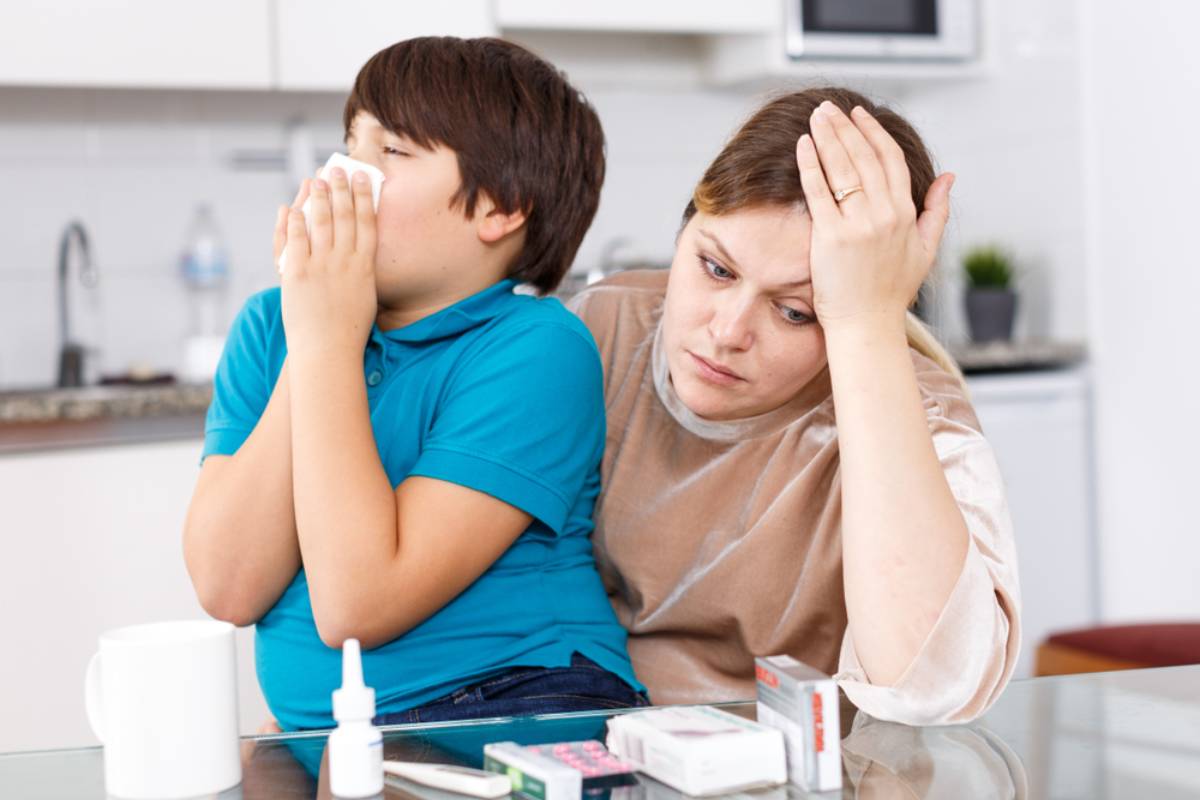
The child became sick just as the family was trying to understand what the exposure actually meant for them. Suddenly, the adults were not only worried about their own health but also trying to figure out what was happening with a toddler. The uncertainty made every cough and every new symptom feel more important than it normally would.
The person explained that the family had to get tested because the symptoms had started before they received the warning. That meant waiting for results while also keeping the child home and limiting their normal activities. Even without a confirmed illness, the family was already paying a price for the situation.
Five Days of Medicine
The next challenge involved medication, because the toddler needed liquid antibiotics while the family waited for answers. Anyone who has ever tried to give medicine to a small child knows that the process can become its own battle. The person described having to force the child to take the liquid for five days, turning an already stressful situation into an even bigger ordeal.
The medication was not the only inconvenience. Every part of the household routine had to be rearranged around the possibility that someone could be contagious or become more seriously ill. What would normally have been a few ordinary days suddenly involved schedules, testing, treatment, and constant second-guessing.
Their Anniversary Plans Disappeared
The family had also been looking forward to celebrating an anniversary, but those plans had to be canceled. Their test results were still pending, and the person did not feel comfortable going out while there was still uncertainty surrounding the exposure. A special occasion that had probably been planned weeks in advance suddenly became another casualty of the situation.
That cancellation seemed to capture just how much damage an exposure could cause even before anyone knew the final result. There was no dramatic hospitalization and no confirmed infection, yet the family still lost time, money, and an important personal celebration. The person emphasized that this was what the good outcome looked like.
Weekly Activities Went Out the Window
Normal weekly activities were also canceled because the family needed to stay home while waiting for the results. School-related routines, appointments, and other plans became harder to manage as everyone adjusted to the uncertainty. The person joked about not wanting to be responsible for spreading what he described as “Oregon Trail diseases,” but underneath the humor was obvious frustration.
Staying home also meant putting everyday life on pause. The family could not simply continue as usual and hope for the best, especially with a child already feeling unwell. Even a negative test would not erase the days of disruption they had already experienced.
The Medical Bills Were Still Coming
There was another uncomfortable reality waiting in the background: the medical bills had not even arrived yet. Testing, treatment, and medical care all come with costs, even when the final result turns out to be negative. The family was therefore dealing with the emotional stress of the exposure while knowing the financial consequences were still ahead.
The person pointed out how strange that felt. They had not ended up with the illness, yet the family was still dealing with prescriptions, testing, missed plans, and upcoming expenses. In his view, this was proof that avoiding the disease was not the only concern because the exposure itself had already created a major headache.
His Daughter Nearly Had Another Delay
The situation became even more serious because the person’s daughter had an upcoming surgery. There was a possibility that the procedure could be postponed again depending on what happened with the family’s health situation. That meant the exposure was no longer just about missing dinners or skipping activities because something much more important was potentially hanging in the balance.
For a parent, that uncertainty can be especially difficult. Surgery already comes with enough planning and anxiety without adding a possible contagious illness to the equation. The person made it clear that the family was lucky the final result did not force another delay.
Then Came the Part That Made Him Angry
After receiving the exposure message, the person saw something that seemed almost impossible to understand. The people involved were still talking about getting together at a park, despite knowing about the potential health risk. To the person sharing the story, that suggested they were treating the warning as an inconvenience rather than a serious reason to stay away.
That was the moment when his frustration turned into something stronger. He could understand people making different choices for themselves, but he struggled with the idea of those choices affecting children and families around them. He even wished there were a formal way to report people who continued arranging meetups after being notified.
Another Parent Shared a Much Worse Experience
A response from a person explained why the concern felt so serious to some families. The person remembered getting whooping cough as a teenager despite being considered up to date on the vaccines available at the time. What followed was months of coughing, painful rib injuries, trouble eating, exhaustion, and a lingering cough that continued long after the illness itself seemed to be over.
That experience changed the way the person viewed the disease entirely. Being young, healthy, and athletic had not made the illness easy to handle, and the recovery had affected everyday life for a surprisingly long time. The person said that after experiencing it firsthand, the idea of taking the risk around children felt completely unacceptable.
Some Families Have No Room for Extra Risk
Another person explained that an autoimmune condition made the issue even more personal. Because of their medical situation, they said they felt no guilt about keeping people who refused vaccination away from their family. For them, the decision was not about starting an argument or judging someone’s lifestyle but about reducing unnecessary risk.
Another response described an even more fragile situation involving a child who had struggled with serious respiratory illnesses. The family had previously lost friendships because people did not understand why they could not simply meet up, even outdoors, while the child was especially vulnerable. Their doctors had warned them that a serious infection could have life-threatening consequences, so isolation became a necessary part of protecting the child.
One Little Girl Had Her Own Way of Handling It
One of the most emotional responses came from a parent whose own medical condition prevented vaccination. Her four-year-old daughter had received her routine shots, but the child had become increasingly aware that staying healthy also meant protecting her mother. The little girl even suggested wearing masks at indoor play areas because she believed those places were full of “sickies.”
The child’s concern was heartbreaking because it showed how much she understood about her mother’s vulnerability. Instead of thinking only about whether she could have fun, she was already thinking about how her choices might affect someone she loved. A response from another person pointed out that the child was learning something valuable by caring for her health and her mother’s health without letting social pressure decide for her.
The Other Parents Had an Interesting Perspective
The conversation also included a reminder that children do not always react the way adults expect. One person said their own children wore masks without becoming targets of constant teasing. Other children might ask questions, but the subject often passed quickly because kids can be surprisingly adaptable.
The bigger problem, that person suggested, was often the adults rather than the children. A young child saying she was protecting her mother could easily turn an awkward moment into an explanation about empathy and responsibility. That perspective gave the discussion a softer side after so much anger and frustration.
Then Came the Stories That Were Hardest to Hear
Several people shared stories that showed just how frightening vaccine-preventable illnesses can become for very young children. One parent remembered a baby becoming seriously ill only days after birth and spending time in intensive care while the family had no idea whether the child would survive. Another person described a premature baby contracting a respiratory infection in a hospital setting and nearly dying after developing a dangerous complication.
Those stories shifted the conversation from an argument about personal choices to something much more emotional. For parents who had already watched their children become dangerously sick, avoiding exposure was not an abstract political or social issue. It was tied directly to memories of hospital rooms, frightening phone calls, and the fear of losing a child.
The Original Poster Finally Explained Her Point
The person who started the discussion later explained that the main goal was not to convince everyone to agree with her. She had noticed that some parents, especially those new to parenting, seemed to question whether they were allowed to distance themselves from relatives, friends, or neighbors who made choices that put their families at greater risk. She wanted those parents to know that protecting their household did not automatically make them cruel.
That seemed to be the larger message hiding underneath the entire story. The family had managed to avoid the illness, but avoiding it had still required canceled plans, medication battles, testing, missed activities, stress, and more expenses. In the end, the negative result was not what made the experience frustrating because the disruption had already happened long before the results arrived.
A Negative Test Still Came With a Big Lesson
The family eventually learned that they had not contracted whooping cough, which was the outcome everyone had been hoping for. Yet the experience left the person with a much stronger opinion about boundaries and who should be around their children. What began as a warning message turned into a reminder that health decisions can affect entire families, even when the worst possible outcome never arrives.
For the person sharing the story, the biggest twist was that the supposedly “good” ending still felt exhausting. Nothing catastrophic happened inside their home, but they came close enough to the possibility that it changed how they viewed certain relationships. By the end, the person no longer felt guilty about choosing distance, and the chaos of one negative test had become the reason that boundary finally felt necessary.