Pediatricians Say Not to Give Kids Benadryl to Make Them Sleep on Thanksgiving Flights, and to Offer a Bottle or Cup at Takeoff Instead

The American Academy of Pediatrics gives parents a short instruction for holiday flights: do not use medicines such as Benadryl or Dramamine to put children to sleep. The advice comes from pediatrician Jennifer Shu, MD, medical editor of HealthyChildren.org, in the AAP’s holiday travel guide, last updated in December 2025. With Thanksgiving flights days away, it is the line many parents of tired toddlers are likeliest to be tempted by.
What the AAP says about sleep medicine
The AAP guide says that using diphenhydramine, the active ingredient in Benadryl, or dimenhydrinate, the ingredient in Dramamine, to put kids to sleep during travel is not recommended. The page does not spell out a reason, so the explanation comes from other health sources.
The same guide offers other ways to handle a long day in the air. It suggests scheduling flights around naptime when possible, while expecting plans to change. It also says some extra screen time on a long flight is acceptable if mixed with other activities.
Why poison experts warn against it
The Northern New England Poison Center says giving Benadryl to make a child sleepy is not recommended. It points to the label warning, “Do not use to sedate or make a child sleepy,” and says using a product this way is a form of misuse that can make an otherwise safe product poisonous.
Too much diphenhydramine can cause a racing pulse, trouble breathing, confusion and agitation, according to the poison center. It also says some children become more restless or excitable instead of drowsy, which is the opposite of what a parent on a plane wants.
The National Library of Medicine’s MedlinePlus drug information says diphenhydramine should not be used to make a child sleepy and is indicated for adult insomnia only. It says not to use it in children between 2 and 5 years old unless a doctor directs it, and to use caution at ages 6 to 11. It also says adult products should not be given to children, and it lists excitement, especially in children, as a possible side effect.
The poison center’s number, 1-800-222-1222, reaches a poison center from anywhere in the U.S. MedlinePlus advises calling 911 if someone has collapsed, had a seizure, has trouble breathing or cannot be awakened.
What the AAP suggests doing instead
For ear discomfort, the AAP guide says offering a bottle or cup to sip from may help, especially during takeoff. It explains that air pressure changes can cause ear discomfort in small children. The poison center gives similar advice: pack books or new toys, and offer a drink during takeoff and landing.
The AAP also recommends noise-canceling headphones or silicone earplugs to reduce noise, especially during takeoff. It suggests dressing infants and toddlers in layers that are easy to add or remove, and packing a change of clothes and plastic bags for soiled items.
KidsHealth, from Nemours, recommends bringing a favorite comfort item plus extra toys, books and games, and healthy snacks. It says important medicines belong in carry-on bags, not checked luggage, and that older kids can use lollipops or gum to help with ear pain when flying. For anything medical, KidsHealth advises talking to a doctor.
The AAP adds that parents should ask their pediatrician about flying if a child has had ear surgery or an ear infection in the past two weeks. It says children with colds or ear infections may take over-the-counter pain relievers.
Where a baby or toddler is safest on the plane
The AAP guide notes that airlines allow children under 2 to sit on a lap, but warns that little ones can be hurt in turbulence. It says the Federal Aviation Administration recommends a separate seat for babies and toddlers, and that parents should use a child restraint such as a car seat or air travel vest approved by the airline.
The FAA’s own page says the agency strongly discourages holding a child on a lap and recommends securing a child in an approved child restraint system in their own seat for the entire flight.
Parent Diaries covered more of the same guide in an earlier look at an AAP pediatrician’s Thanksgiving travel rules, including how a blanket should go over a car-seat harness and never under it.
Get stories like this by email. Sign up for The Parent Diaries Letter.
This article was produced with AI assistance and edited for accuracy against the sources linked above.
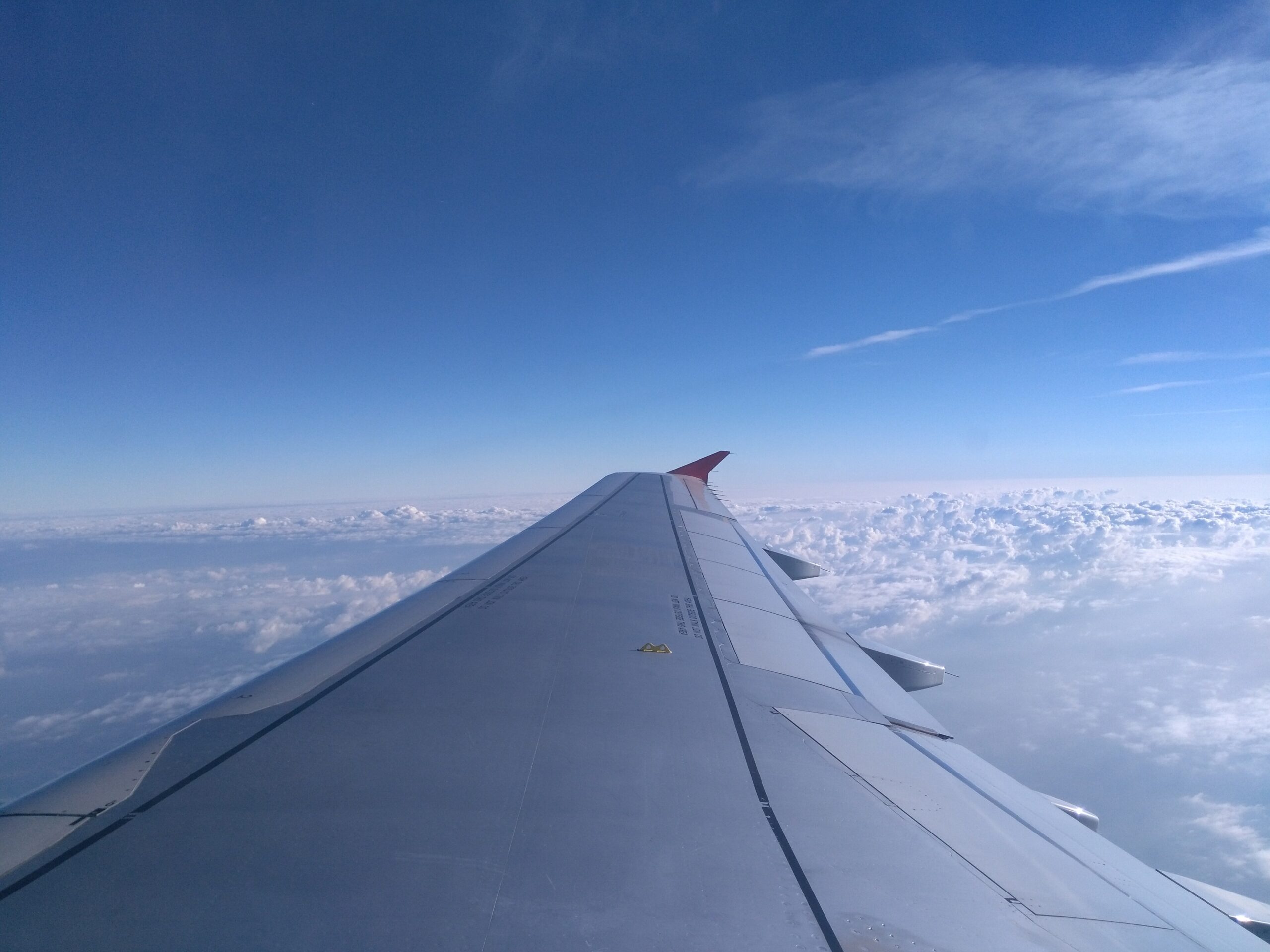
Image: Tobias1984, CC BY-SA 3.0, via Wikimedia Commons