Kids Over 3 Can Chew Gum for Ear Pain on Holiday Flights, but Babies Need a Bottle or Pacifier, KidsHealth Says

Chewing gum can help a child’s ears on a plane, but only after age 3, according to KidsHealth from Nemours. For babies, the advice is a bottle, breastfeeding or a pacifier during takeoff and landing. With Thanksgiving flights a little over a week away, the age split decides which fix is safe.
The pain comes from pressure, not from anything wrong with the child, and it usually passes within minutes. This report covers why it happens, what works at each age and when a cold or ear infection changes the plan.
Why Ears Hurt When a Plane Climbs and Descends
KidsHealth explains in its guide to flying and ears that pressure changes in the middle ear cause the discomfort. The eustachian tube normally equalizes that pressure. In children, the narrow tubes may not manage it well, especially when mucus from a cold or ear infection clogs them or enlarged adenoids block them. The pain is temporary and usually eases within a few minutes, the guide says.
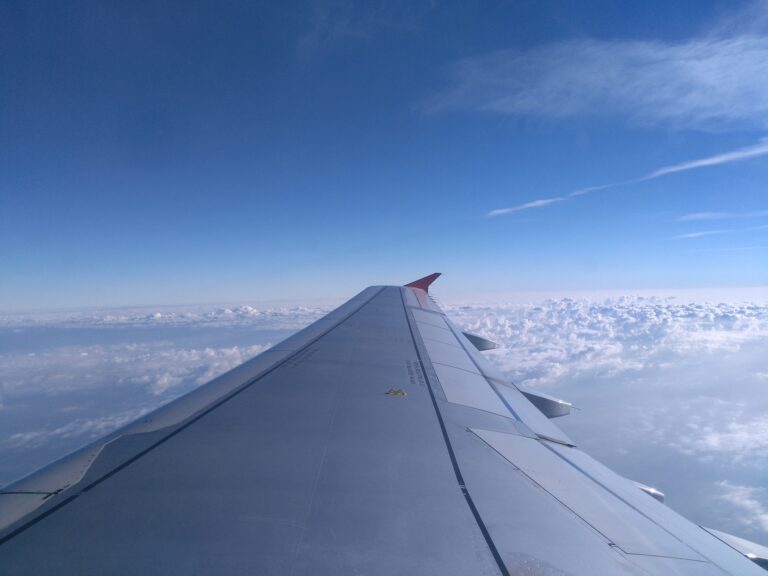
The Mayo Clinic’s airplane ear page says the problem usually occurs when a plane climbs after takeoff or descends for landing, because cabin pressure changes quickly. Swallowing or yawning opens the tube and helps equalize pressure. Symptoms include discomfort, fullness or stuffiness and muffled hearing, and severe cases can involve intense pain. Mayo also says infants and young children are more prone to it because their eustachian tubes are small.
Babies: Bottle, Breastfeeding or Pacifier
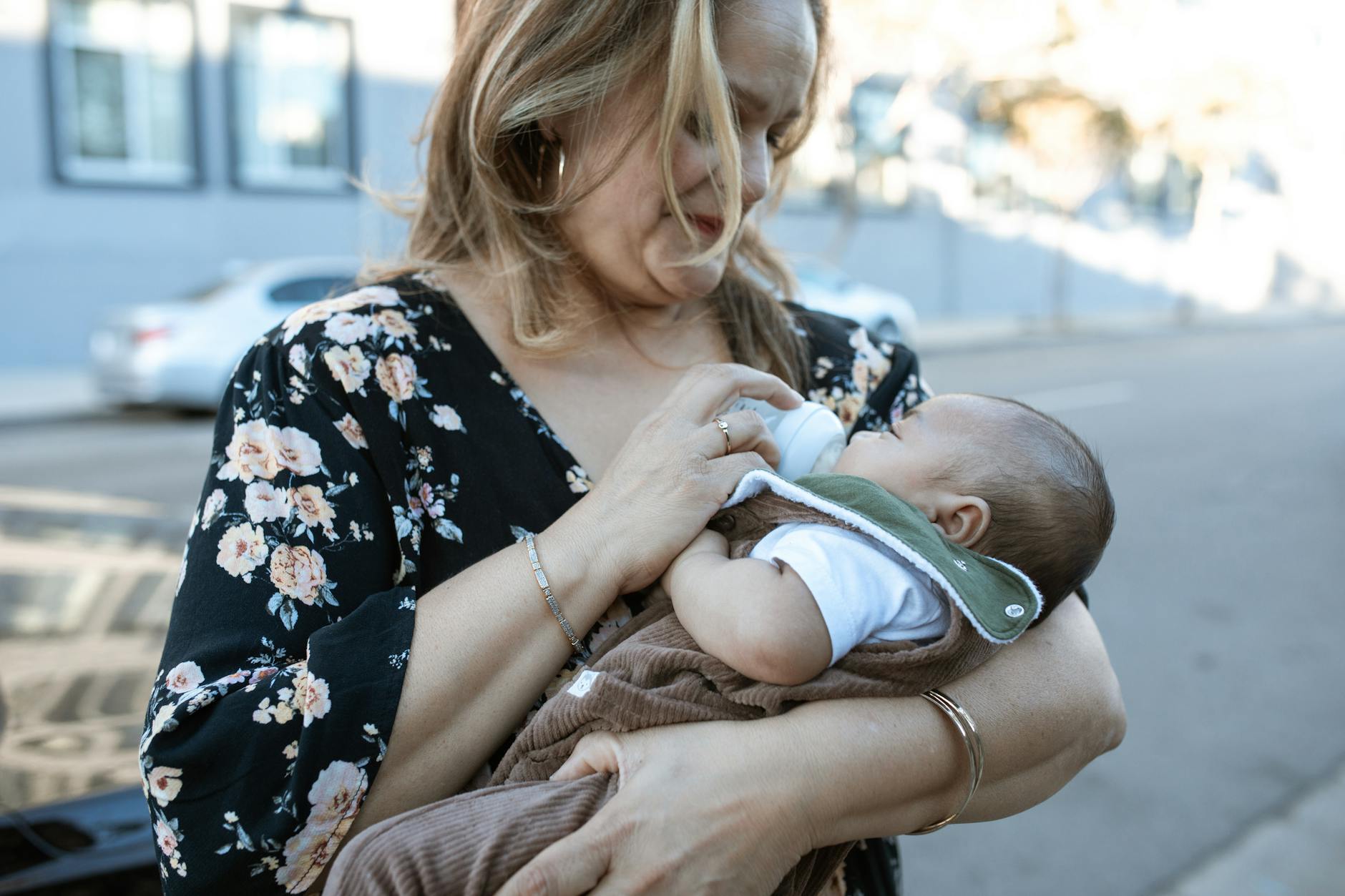
Babies cannot pop their ears on purpose. The American Academy of Otolaryngology-Head and Neck Surgery notes that sucking on a bottle or pacifier can help. KidsHealth recommends offering a bottle, breastfeeding or using a pacifier during takeoff and landing, and says bottle-fed babies should sit upright while drinking.
The American Academy of Pediatrics adds in its holiday travel tips, written by Jennifer Shu, MD, FAAP, that giving a baby or toddler a bottle or cup to sip from may help, especially during takeoff. The Mayo Clinic’s prevention guidance likewise says to give babies or toddlers a bottle to suck on during takeoffs and landings, and that a pacifier might also help.
Children Over 3: Gum and Hard Candy
KidsHealth says chewing gum or sucking on hard candy is only for children over 3 years old. Yawning and staying awake during takeoff and landing also help, because swallowing equalizes pressure.
The age line is not identical across medical sources. Mayo says children older than 4 can chew gum or drink or blow bubbles through a straw, and that sucking on candy or chewing gum can make swallowing easier. Parents of a child close to the cutoff can ask the pediatrician which age limit fits that child, since gum and hard candy are choking hazards for the youngest children.
KidsHealth also recommends plenty of non-caffeinated fluids, preferably water, for children of all ages. For a child who usually has ear pain when flying, it says acetaminophen or ibuprofen can be given about half an hour before takeoff or landing.
Older Kids and Teens: A Breathing Exercise
KidsHealth describes a simple exercise for older children and teens during ascent and descent: breathe in slowly, pinch the nose, and exhale gently through the nose with the mouth closed. The Mayo Clinic describes the same move as gently blowing, as if blowing the nose, while pinching the nostrils with the mouth closed, repeated several times, especially during landing.
Both sources stress gentleness. The Mayo Clinic also advises against sleeping through takeoff and landing, because a sleeping child is not swallowing or yawning to open the tubes. Sleeping during ascent or descent raises the risk of airplane ear, it says.
When a Cold or Ear Infection Changes the Plan
Anything that blocks the eustachian tube raises the risk, Mayo says, including colds, sinus infections, hay fever and middle ear infections. It advises not flying with a cold, sinus infection, stuffy nose or ear infection if that can be avoided, and says decongestants are not recommended for young children.
KidsHealth says a doctor may recommend delaying a flight until an ear infection clears, to avoid more pain and a possible eardrum rupture, and that children with ear tubes generally equalize pressure more easily. If a child takes antihistamines or decongestants, the guide says to ask the doctor whether to continue them during the flight. The AAP says that if a child has had ear surgery or an ear infection in the past two weeks, parents should check with the pediatrician before flying.
Ear pain can last up to several hours in some cases, according to KidsHealth, and pain relievers can be given per package directions until it eases. If pain continues for more than several hours, the guide says to call the doctor. Other holiday travel reminders are in an AAP pediatrician’s Thanksgiving travel rules for car seats and plane seats.
Get stories like this by email. Sign up for The Parent Diaries Letter.
This article was produced with AI assistance and edited for accuracy against the sources linked above.