Hand Sanitizer Doesn’t Kill Norovirus, the AAP Says, So Kids Need 20 Seconds of Soap and Water Before the Holiday Table

Hand sanitizer will not stop norovirus, and the American Academy of Pediatrics says so plainly. In a parent guide on HealthyChildren.org, pediatrician Wendy Sue Swanson, MD, MBE, FAAP, writes that some viruses like norovirus can survive hand sanitizer and that soap and water are needed to kill it.
With Thanksgiving gatherings close, that matters for any child about to pick up a roll at a crowded table. This report covers what the AAP and the Centers for Disease Control and Prevention say about washing hands, how norovirus spreads and what families do if a child gets sick.
What the AAP Says About Sanitizer and Norovirus
The AAP’s guide to surviving the stomach bug calls handwashing a key defense, especially after caring for a sick child, touching surfaces and preparing food. It does not give a scrub time, and the page was last updated in 2015.
The CDC’s norovirus prevention page is slightly more measured. It says hand sanitizer is less effective than soap and water against norovirus and can be used alongside handwashing but does not replace it. The agency recommends washing hands often with soap and water for at least 20 seconds, especially after using the toilet and before eating or preparing food.
How a 20-Second Scrub Works
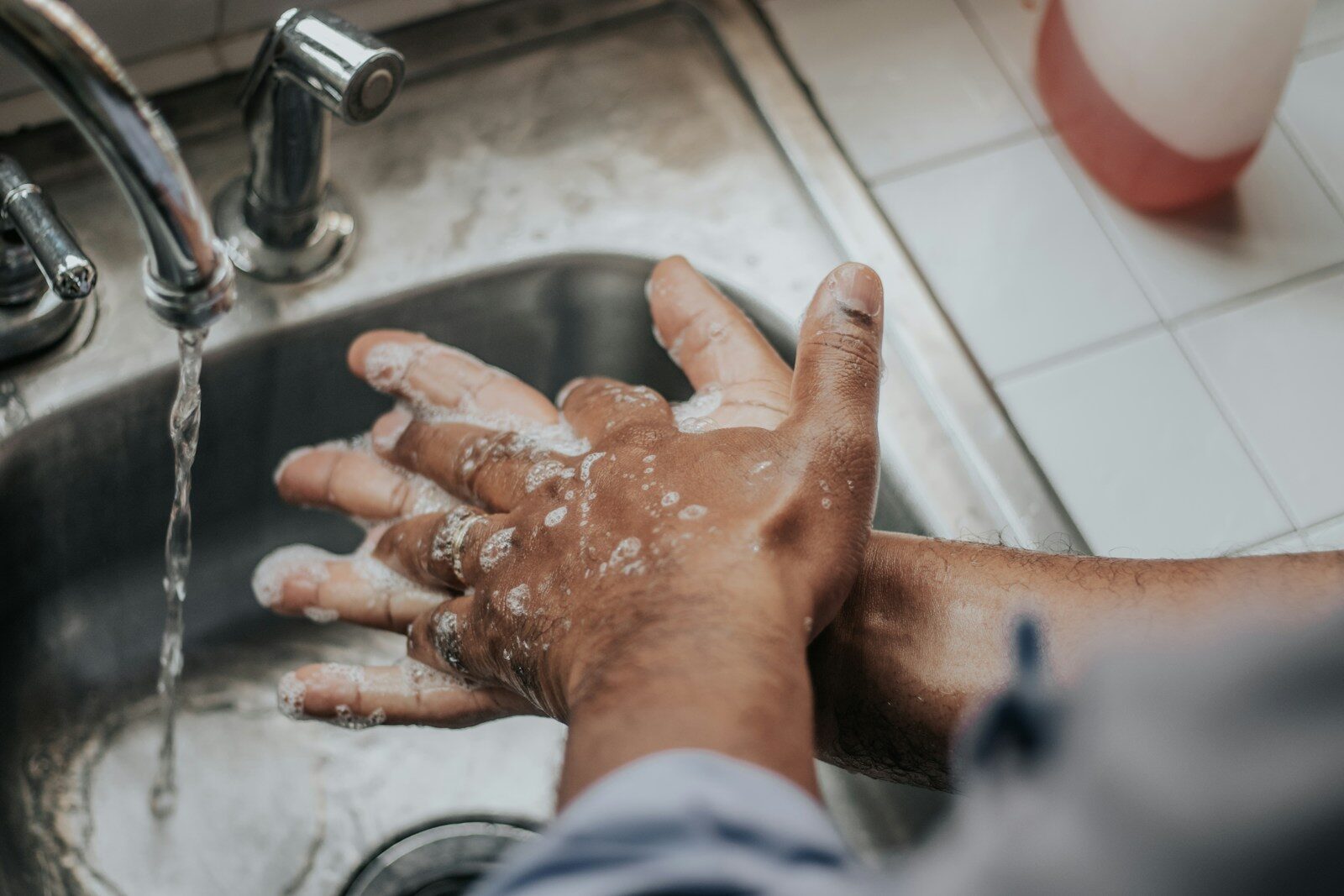
The CDC’s handwashing guidance lays out the steps. Hands are wet under clean running water, the tap is turned off, and soap is applied. The lather covers the backs of the hands, the spaces between the fingers and the area under the nails, and the scrub lasts at least 20 seconds. Hands are then rinsed under running water and dried with a clean towel or air dryer.
The agency lists the moments that count: before, during and after preparing food, before and after eating, after using the toilet or changing diapers, and before and after caring for someone with vomiting or diarrhea. When soap and water are not available, the CDC says a hand sanitizer with at least 60% alcohol is the fallback, though that is general guidance and not a norovirus fix.
Why the Holiday Table Is a Risk
The CDC’s norovirus overview says the virus spreads very easily in three ways: direct contact with an infected person, including sharing food or utensils, eating or drinking contaminated food or drinks, and touching contaminated surfaces before putting unwashed fingers in the mouth. People can be infected many times because there are many norovirus types.
The agency’s norovirus statistics show how common it is. The CDC estimates 19 to 21 million illnesses a year in the United States, about 465,000 emergency department visits mostly among young children, and about 900 deaths, mostly in adults 65 and older. Outbreaks are most common from November through April.
For holiday cooking, the CDC says people who are sick should not prepare or handle food for others and should wait at least 2 days, or 48 hours, after symptoms stop. It also advises cooking oysters and other shellfish to an internal temperature of at least 145 degrees Fahrenheit.
If a Child Catches It
The CDC’s symptoms page lists diarrhea, vomiting, nausea and stomach pain as the most common signs, sometimes with fever, headache and body aches. Symptoms usually start 12 to 48 hours after exposure, and most people get better within 1 to 3 days.
There is no specific medicine, and antibiotics do not work against a virus. The National Library of Medicine’s MedlinePlus says care focuses on rest and plenty of fluids to prevent dehydration. The CDC lists crying with few or no tears and unusual sleepiness or fussiness as dehydration signs in children, along with dry mouth and decreased urination, and says severe dehydration may need intravenous fluids in a hospital.
The AAP guide advises talking with a pediatrician if vomiting lasts longer than 24 hours or if a child becomes dehydrated, and calling the doctor if vomiting is getting worse at 24 hours.
Cleanup After a Stomach Bug
The AAP says sheets should be changed and vomit cleaned right away, surfaces washed promptly with soapy warm water, and laundry done in hot water and dried on high heat, with a diluted bleach solution added for hard surfaces. The CDC says the area is wiped up with gloves and paper towels and then disinfected with a bleach solution or an EPA-registered norovirus product, with bleach left on for at least 5 minutes.
The CDC also warns that a person can still spread norovirus for 2 weeks or more after feeling better, which is why handwashing stays important after the sickness ends. For another seasonal reminder, see the Florida pediatrician’s rule for keeping kids with a fever home.
Get stories like this by email. Sign up for The Parent Diaries Letter.
This article was produced with AI assistance and edited for accuracy against the sources linked above.