Second Grader Wyatt Nelson Kept Complaining That His Leg Hurt, and an X-Ray Found a Tumor. Now His Whole School Wears Hats for ‘Wyatt’s Warriors.’

Wyatt Nelson, a second grader at North Sargent Elementary School in Gwinner, North Dakota, kept telling his family that his leg hurt, according to Valley News Live. An X-ray eventually showed a tumor, and the diagnosis that followed was Ewing sarcoma. His school and town have since turned out for him, with hat days, a send-off and a special ride to school from the local fire department.
Sept. 29: A Clinic Visit After the Pain Came Back
Wyatt was taken to a clinic on Sept. 29 after he again complained of leg pain, Valley News Live reported. An X-ray found a tumor blocking part of the fibula in his left leg, the thinner bone that runs alongside the shin.
Pain and swelling near the tumor are among the main warning signs of Ewing sarcoma, according to the National Cancer Institute. The institute adds that those symptoms can also come from other, far more common conditions, which is why a doctor has to evaluate them. A leg that keeps hurting is a reason for a visit, not a diagnosis.
Other signs the institute lists include a lump, a limp, fatigue, a fever with no known cause and a bone that breaks for no known reason. Wyatt’s story, as reported, began with pain, from a child who would not let a sore leg go.
Oct. 6 to Oct. 23: Scans, Then a Name for the Cancer
A week later, on Oct. 6, further testing that included a chest CT and an MRI showed a 5-centimeter tumor on Wyatt’s leg that was eating away at the bone. The scans also found two nodules on his lungs. A later biopsy and PET scan found the cancer had spread to his small bowel and left hip, according to the station.
On Oct. 23, biopsy results confirmed Ewing sarcoma.
The sequence matches how the National Cancer Institute says the disease is usually found. Doctors take a medical history and perform a physical exam, then order imaging such as an X-ray, MRI, CT or PET-CT to look at the bone and soft tissue and check for spread. A tissue biopsy is then examined under a microscope, often with genetic and molecular tests, to confirm what the cells are.
Ewing sarcoma, the institute says, is a cancer that forms from certain cells in bone or soft tissue and most often develops in the legs, arms, chest, pelvis, spine or skull. It is most common in teenagers and young adults, though it can occur in younger children with no known risk factors. St. Jude Children’s Research Hospital calls it the second most common bone cancer in children and says that about one-third of patients already have spread to the lungs, lymph nodes, bones or bone marrow when they are diagnosed.
Before the Send-Off: Wyatt’s Warriors Hat Days
At school, the response had a name. The school organized “Wyatt’s Warriors Hat Days,” when students wear hats to class in exchange for a freewill donation to Wyatt and his family, Valley News Live reported.
The school sits at 16 1st St. SW in Gwinner, and the North Sargent School district website lists the building’s address and office phone for visitors. The town of Gwinner’s page on the school says its mission is to educate students for success in an ever-changing world.
Valley News Live described the school and the wider community as rallying around the family. Donations can also be made through a fundraising page for Wyatt on the Lend A Hand Up platform, which the report points readers to.
Nov. 9: A Send-Off and a Special Ride
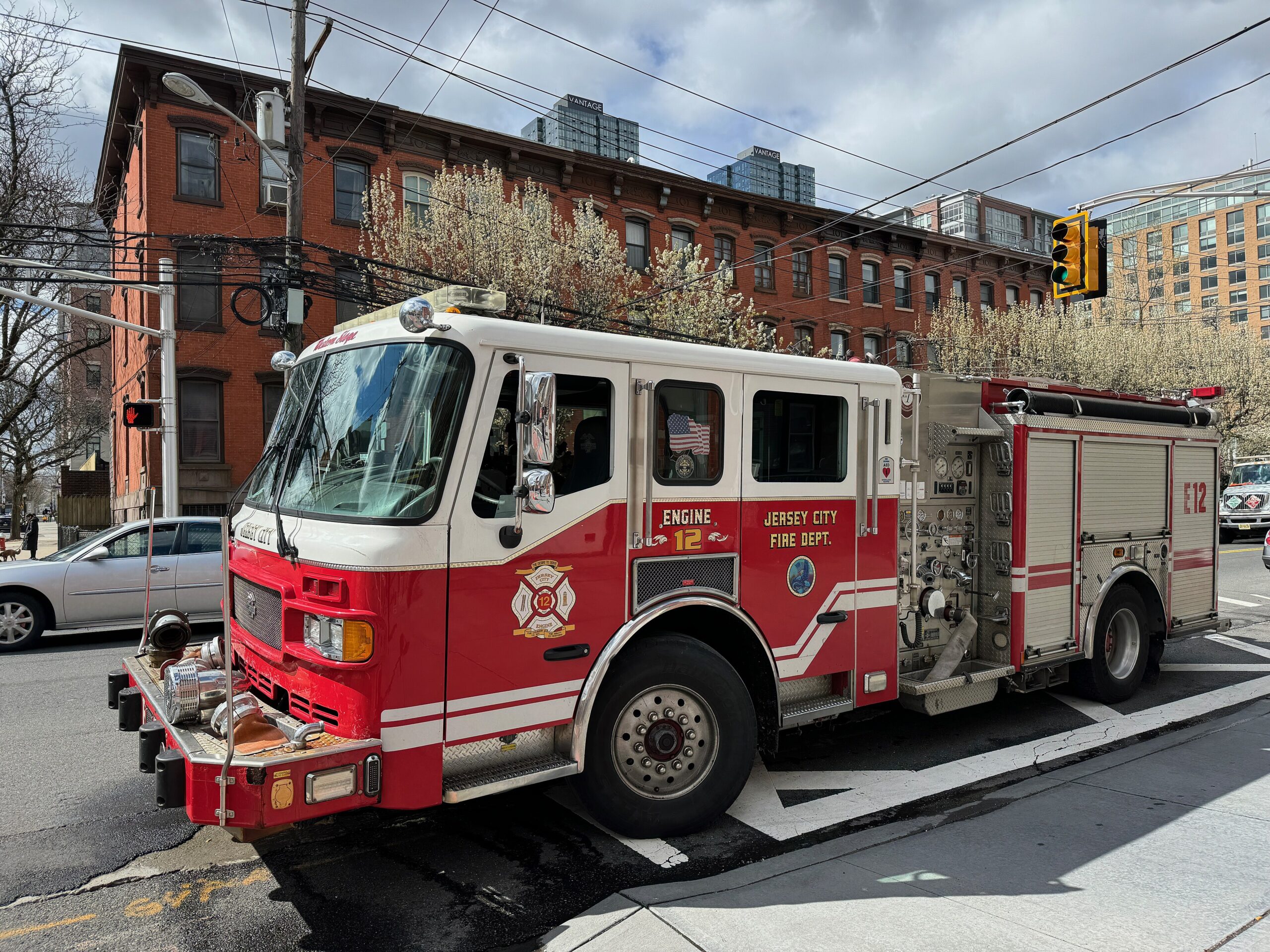
On Nov. 9, the school held a send-off as Wyatt and his family left for treatment. The Gwinner Fire Department also gave him a special ride to school, the station reported, without giving more detail about the vehicle or the route.
The department is made up of volunteers. Its page on the city of Gwinner’s website says its members “volunteer to serve the community and outlying areas” and that it has 41 active members, many of them certified in auto extrication and first response.
Nov. 10 and After: A Surgeon at Mayo Clinic
Valley News Live reported that Wyatt is at Mayo Clinic for treatment. On Nov. 10, he met with the Mayo Clinic surgeon who will perform his surgery. The report did not describe any other part of his treatment plan.
For families facing the same diagnosis, the National Cancer Institute outlines how Ewing sarcoma is generally treated. A pediatric oncologist leads a team of specialists. Chemotherapy is often the first treatment and usually lasts about six to 12 months, and it is used to shrink tumors before surgery or radiation and to treat cancer that has spread. Surgery removes remaining cancer, and radiation is used when surgery is not possible or to treat what remains. The institute notes that clinical trials may be an option for some patients, and that treatment can cause side effects and late effects, so follow-up care is typically needed.
St. Jude says treatment typically combines chemotherapy, surgery and radiation therapy, and that surgery can involve bone grafts, an implant or limb-sparing procedures.
What Wyatt’s care will include is for his doctors and family to say. What the public record shows so far is a boy whose leg pain was taken seriously, a diagnosis made within about three and a half weeks of the first clinic visit, and a school that responded with hats, a send-off and a ride from the volunteer fire department.
Get stories like this by email. Sign up for The Parent Diaries Letter.
This article was produced with AI assistance and edited for accuracy against the sources linked above.
Image: Oleg Yunakov – CC BY-SA 4.0/Wikimedia Commons