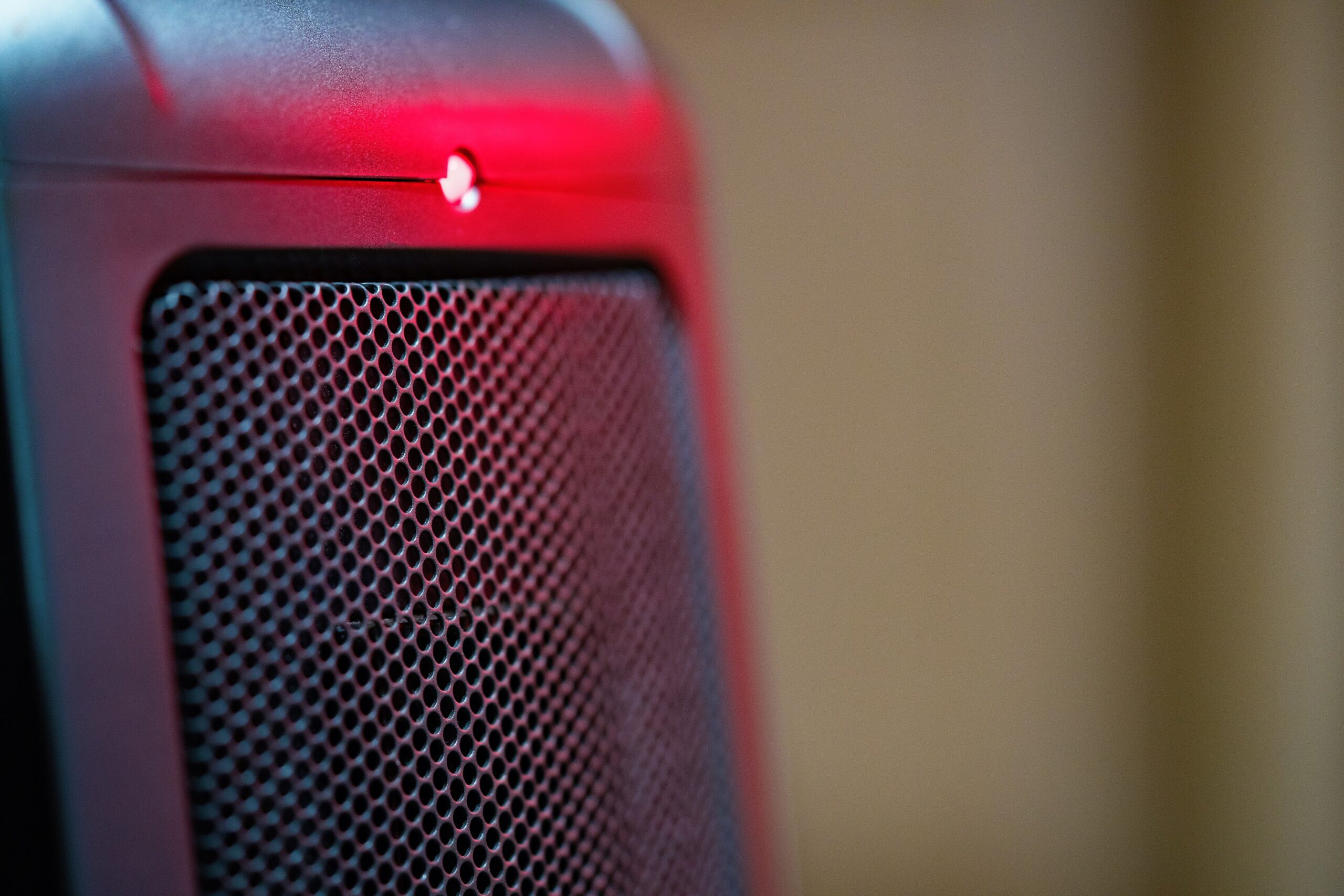
Space Heaters Need 3 Feet of Clear Space From Beds and Curtains in Kids’ Rooms This Winter, Pediatric Safety Experts Say

The first cold snap sends a lot of families to the basement or the hardware store for a space heater, and the most natural spot for it is often a child’s bedroom. Pediatric safety experts have one number they want every parent to know before plugging it in: three feet.
That is how much clear space a space heater needs from anything that can burn, such as beds and curtains, according to KidsHealth from Nemours, whose guidance is reviewed by pediatrician Dr. Melanie L. Pitone. The same page warns never to put a heater where a child or pet could knock it over.
The 3-foot rule, room by room
St. Louis Children’s Hospital gives parents the same distance in its winter home safety guide: keep anything that can catch fire at least three feet away from any type of heating equipment, including furnaces, space heaters and fireplaces.
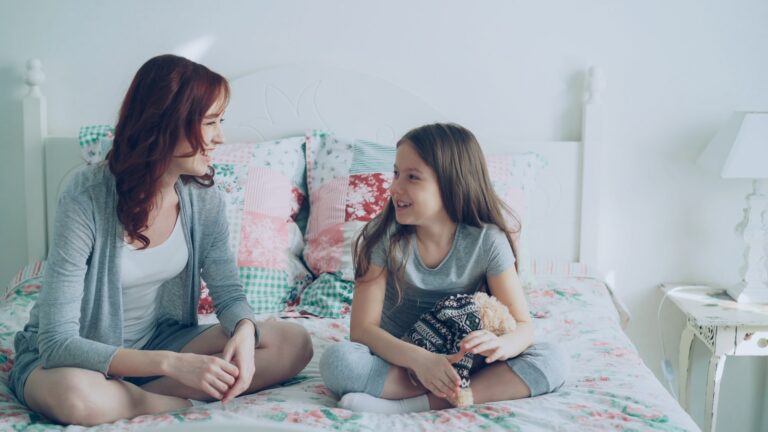
In a child’s room, that means measuring from the heater to the edge of the mattress, the hem of the curtains, a pile of laundry, a beanbag chair or a bin of toys. In a small bedroom, a three-foot circle can take up much of the open floor, so the heater’s spot is worth choosing before the first cold night.
The U.S. Consumer Product Safety Commission puts the same three feet between portable heaters and drapes, furniture and bedding in its winter heating warning. The agency says portable heaters were involved in an average of 1,700 fires, 70 deaths and 160 injuries a year from 2017 through 2019.
A “kid-free zone” around the heater
Fire departments add a second idea aimed at the kids themselves. The Columbus Division of Fire in Ohio tells families to keep a three-foot “kid-free zone” around open fires and space heaters, the same distance that applies to furniture and fabric.
The zone covers more than furniture. A blanket that slips off the bed, a backpack dropped after school or a toy left on the floor can end up inside that three-foot circle without anyone noticing.
Columbus fire officials also note that almost half of home heating equipment fires are reported in December, January and February, the coldest stretch of the year.
Off at bedtime, and straight into the wall
The CPSC says space heaters should never run while people sleep. Columbus fire officials say the same thing in plain terms: turn portable heaters off when leaving the room or going to bed.
The CPSC adds a warning that applies directly to nurseries. It says heaters should not be left running unattended in a small room with an infant, because they can cause overheating, which can be fatal. Babies, along with older adults and people with disabilities, are especially vulnerable, the agency says.
How the heater is plugged in matters too. The CPSC says electric space heaters should always go directly into a wall outlet, never into an extension cord or power strip. The Missouri Division of Fire Safety gives the same advice and adds that cords should never run under rugs.
Why carbon monoxide hits kids first
Fuel-burning heaters, furnaces and fireplaces bring another danger that cannot be seen or smelled. Dr. Lindsay Clukies, a Washington University pediatric emergency medicine physician at St. Louis Children’s Hospital, explained why children are at higher risk. “Children are the first to be impacted by carbon monoxide because they breathe more quickly and inhale more gas in proportion to their weight,” she said in the hospital’s guide.
Clukies called a working carbon monoxide and smoke detector in the home “absolutely critical” for catching the odorless, tasteless and colorless gas.
The American Academy of Pediatrics recommends at least one battery-powered or battery-backup carbon monoxide detector that meets UL Standard 2034, installed near bedrooms. It also warns that symptoms of carbon monoxide poisoning can look like the flu or food poisoning, and says everyone should get to fresh air right away if an alarm sounds.
The CPSC recommends smoke alarms on every level of the home and inside each bedroom, carbon monoxide alarms on every level and outside sleeping areas, and testing them every month.
Libby Anvender, a child passenger safety technician and community education instructor at St. Louis Children’s Hospital, said families bringing a heater home should read and follow the instructions and use the right kind of fuel. “Not adhering to these guidelines could ignite a fire or release dangerous fumes into the air,” she said in the hospital’s guide.
For fuel-burning models, the CPSC says to turn the heater off and let it cool before refueling. It also recommends checking cpsc.gov/recalls before using a heater this season, and stopping use of any recalled model right away.
Missouri fire officials say heating equipment and chimneys should be cleaned and inspected by a professional every year, and the oven should never be used to heat a home.
A quick bedroom check before the cold settles in
Winter safety reaches beyond the heater. Puffy coats and car seats need their own pinch test, and hospitals are already tightening visitor rules as RSV and flu season builds.
For the heater itself, the experts’ list fits on a sticky note: three feet from the bed, curtains and toys; a kid-free zone on the floor; plugged straight into the wall; off at bedtime; and working smoke and carbon monoxide alarms nearby. St. Louis Children’s Hospital also runs a home safety line, Safety Stop, at 314-454-5437 for parents with questions.
Get stories like this by email. Sign up for The Parent Diaries Letter.
This article was produced with AI assistance and edited for accuracy against the sources linked above.
Image: Tony Webster from Minneapolis, Minnesota, United States – CC BY 2.0/Wikimedia Commons