
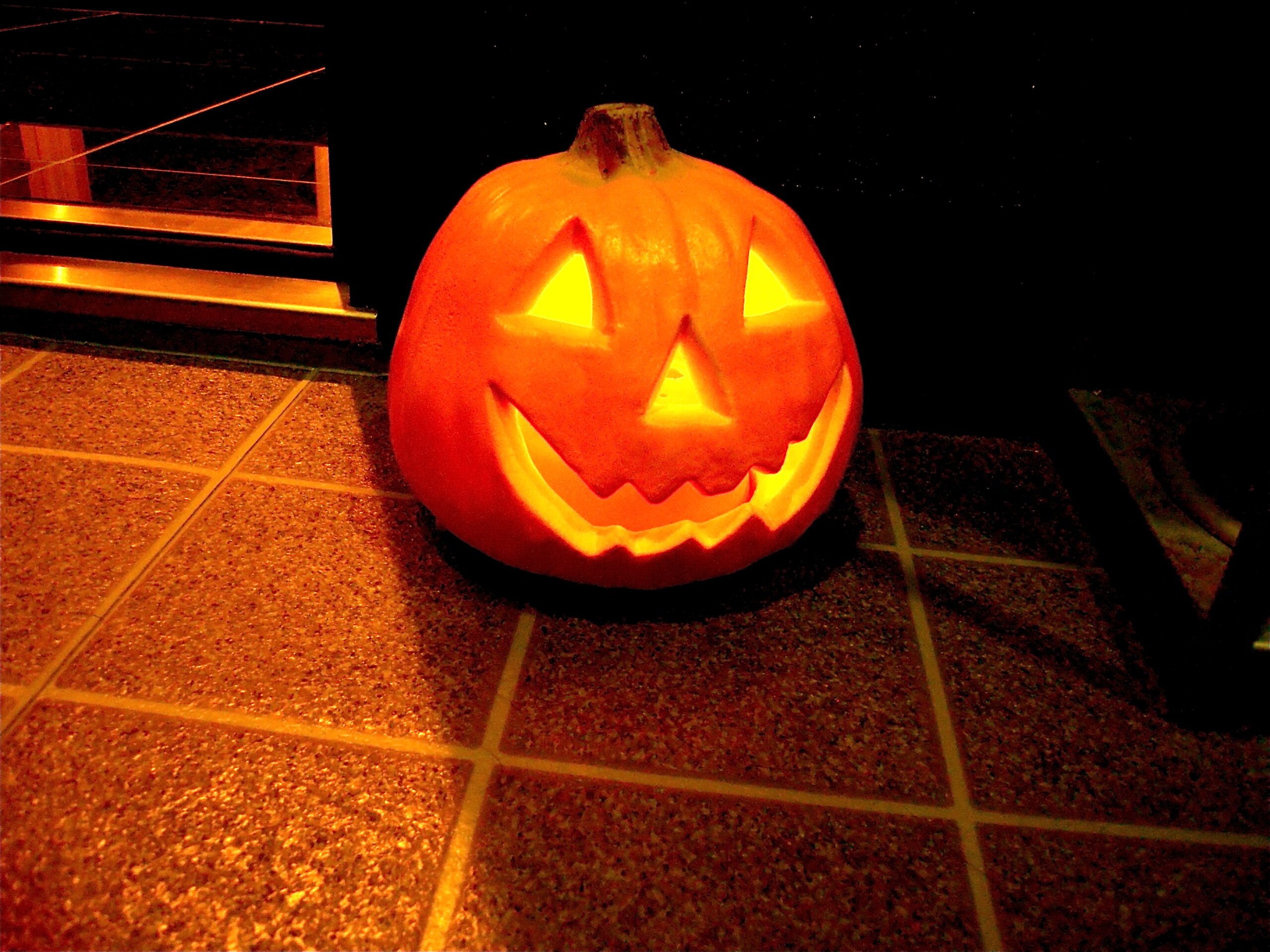
A Las Vegas Mom Whose Son Can’t Trick-or-Treat Because of Brain Cancer Turned Halloween Into a Free Front-Yard Feast for an Expected 300 Neighbors

Every Halloween, a front yard in Centennial Hills, Las Vegas, turns into a free dining room. Neighbors collect chili, cornbread and gumbo served from the front of the Erickson home, and Lyndsay Erickson told FOX5 Las Vegas she was “expecting probably around 300 people” on Halloween night.
The dinner, called the Witches Brew, exists because her son Christian cannot celebrate the holiday the way other children do. He has inoperable brain cancer, and the treatment that came with it has changed what a safe Halloween looks like for him.
Chili, Cornbread and Gumbo From the Front of the House
The Witches Brew is an annual dinner, and the menu is simple and filling. Lyndsay serves cornbread, chili with a spread of toppings and a pot of gumbo, all handed out from the front of the family’s Centennial Hills home. The meal is free.
The setting matters as much as the food. Because the meal is served outside the house, neighbors come to the family instead of the family trying to go to the neighbors. For a boy who is in treatment, that difference is the point of the whole evening.
Christian Gets Trick-or-Treating Delivered to His Spot
Christian was diagnosed with inoperable brain cancer about five years ago. Chemotherapy and surgeries weakened his body and his immune system, which is why he cannot walk house to house with the other kids on the block. “A few years ago, he got very sick,” Lyndsay said. Her response was to bring the celebration to the family’s own front yard, and the Witches Brew grew out of that decision.
Halloween is still his favorite holiday. Asked what he likes most about it, Christian said, “Just getting candy and eating it.” Neighbors who pass the yard have started to bring that part to him. “A lot of them will actually bring their treats to him,” Lyndsay said, so he collects candy without leaving his spot.
Roswell Park Comprehensive Cancer Center, a cancer hospital in Buffalo, New York, has written about the same problem in its CancerTalk series. It calls Halloween “such an important holiday for many kids” and notes that extended hospital stays or unpleasant side effects can get in the way of trick-or-treating. The same article suggests skipping masks, makeup and itchy costumes in favor of easy, comfortable options, a reminder that a child in treatment often needs the holiday adjusted rather than canceled. The Ericksons’ answer is to move the tradition into the yard, where the neighborhood comes to Christian instead of Christian going out to the neighborhood.
Why a Crowd Is a Hard Thing for a Child in Chemotherapy
Chemotherapy can lower white blood cell counts, which weakens the body’s ability to fight infection, according to Blood Cancer United. The group says children with a low white blood cell count are at higher risk of infections, and those infections can be more serious and harder to treat. Its advice for families is to avoid crowds and people with contagious illnesses such as colds, flu, measles or chicken pox, and for everyone in the household to clean their hands regularly, especially before meals.
That is the general medical backdrop for why a busy Halloween sidewalk can be a poor fit for a child in treatment, and why so many families of children with cancer rework the holiday rather than skip it.
A UT Health San Antonio cancer center article on Halloween during treatment suggests going out in daylight or early evening to avoid crowds, wearing a mask because treatment often leaves patients immunocompromised, and using hand sanitizer often. It also tells patients to consult their health care team before making plans.
The care itself can be long and layered. St. Jude Children’s Research Hospital says treatment plans for pediatric brain tumors may include chemotherapy, radiation, surgery or immunotherapy, delivered by teams that range from neuro-oncologists to social workers. That kind of team-based care fits a family that, in Lyndsay’s words, has logged more than 350 hospital nights.
From 20 or 30 Guests to an Expected 300, With Leftovers Boxed Up for Others
The first year of the Witches Brew drew an estimated 20 to 30 people. By this Halloween, Lyndsay was planning for around 300, roughly ten times the crowd that came the first time she set out the pots.
The growth comes with a backstory of hospital time. Lyndsay said the family has “spent over 350 nights in the hospital in the last 4 years.” The dinner is one of the ways the family has made a night at home feel like a celebration, for Christian and for everyone who lines up in the yard.
The giving does not stop when the line does. At the end of the night, the family packs the leftover meals into boxes and delivers them discreetly to local residents who are in need, so the chili and gumbo reach neighbors who never made it to the front yard.
A hard holiday for one family became a night out for a neighborhood, and the food keeps moving after the dinner ends. A Pittsburgh NICU nurse’s tiny Halloween costumes for her unit’s babies, covered here earlier, are another example of Halloween being rebuilt around children who cannot take part the usual way.
Get stories like this by email. Sign up for The Parent Diaries Letter.
This article was produced with AI assistance and edited for accuracy against the sources linked above.
Image: ami harikoshi – CC BY 2.0/Wikimedia Commons


