Florida Mom’s DNA Test on Her 7-Year-Old Adopted Daughter Showed No Trace of the Lebanese Ancestry Her Birth Mother Described

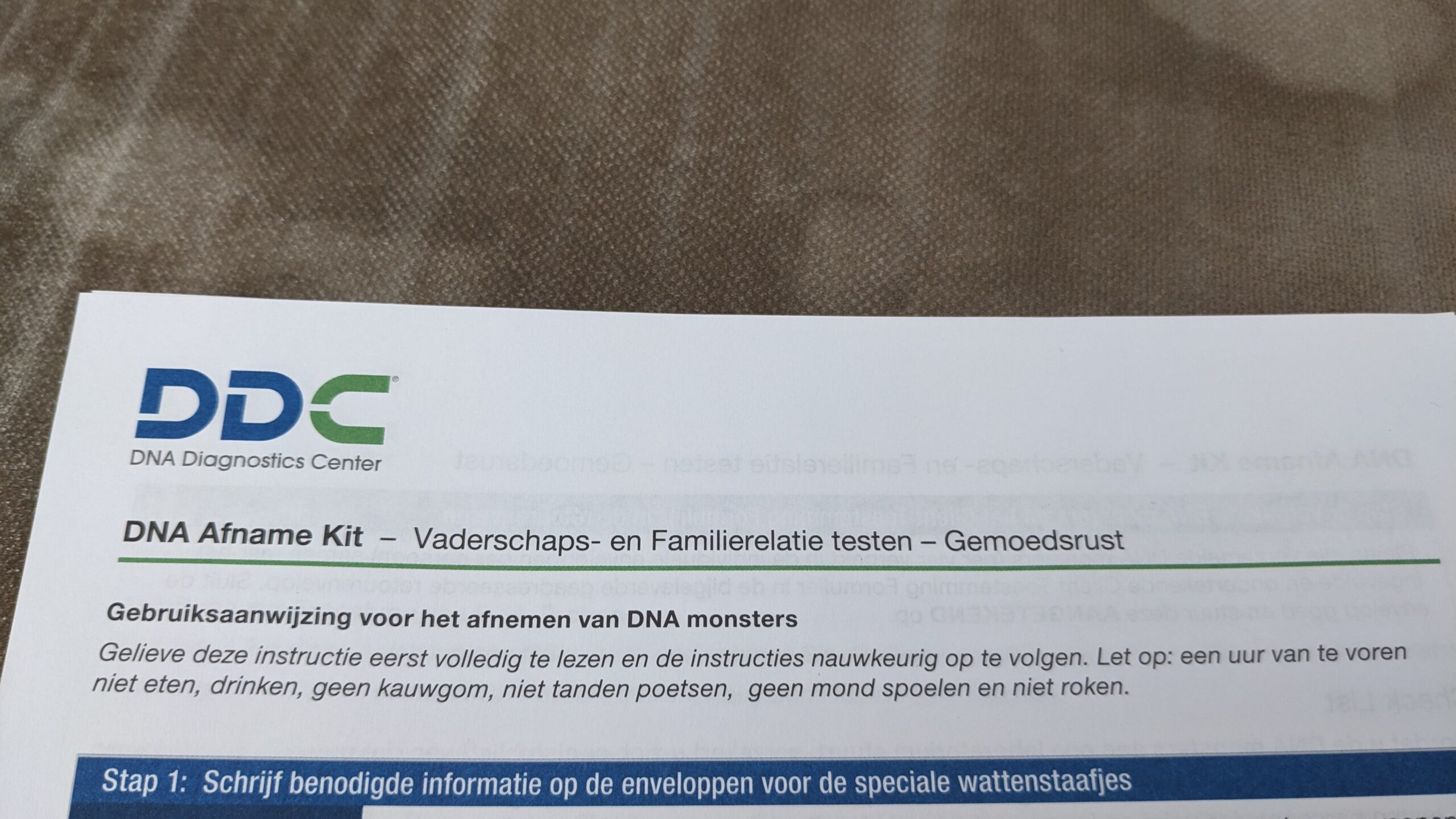
Tara Johnson grew up celebrating her Sicilian roots, and she wanted her children to have the same sense of where they come from. When her 7-year-old adopted daughter Agnas joined the family, that meant learning about a heritage nobody in the house had grown up with, so the Florida mother ordered a DNA test, Newsweek reported on Oct. 19.
The results came back with no Lebanese ancestry, even though Agnas’s birth mother had said her own grandfather was Lebanese. They did hold a surprise, though: Johnson called the Southern Italian result “such a fun and unexpected surprise.”
Scottish, Welsh, Southern Italian, English and Dutch, but Not Lebanese
Johnson lives in Florida with her partner, Troy, and their four children: Hallie, 13, Theo, 9, Agnas, 7, and Rowan, 6. Agnas is the one who joined the family through adoption. Johnson said Agnas brought “an entire history and heritage that existed long before” she joined the household, and that celebrating it should include more than the parts of her story that began after the adoption.
Going in, the family had one clue. Agnas’s birth mother had said her grandfather was Lebanese. Johnson’s goal, as Newsweek described it, was to learn about the cultures and places in Agnas’s background so the family could celebrate them. Little was known about the background of Agnas’s biological father.
The estimate, which Johnson shared in a TikTok clip, put Agnas at 24.6% Scottish and Welsh, 23.6% Southern Italian, 19.3% English and 5.8% Dutch. No Lebanese ancestry appeared. Southern Italy was the part that delighted Johnson, who has Sicilian roots of her own.
Johnson did not treat the missing Lebanese result as a verdict. She plans to try another DNA testing company that offers more detailed regional estimates, and she acknowledged that these tests produce estimates, not definitive answers.
What an Ancestry Estimate Can and Cannot Say About One Grandfather
Ancestry, a consumer DNA company, explains on its help page about ethnicity estimates that the percentage shown for a region is “the most likely result,” not a fixed measurement. The company also provides a range, and says the actual percentage “may be somewhat higher or lower than the most likely estimate.” For some regions, that range can include 0%.
Those estimates come from a comparison against a company’s reference panel, a collection of samples from people of known ancestry. Ancestry says results can shift as its methods improve and the panel grows. It also notes that “neighboring regions often share DNA” and that populations living near borders are often admixed, so one region can pick up a share that looks like its neighbor. Ancestry adds that siblings each get a different mix of DNA from their parents, so their estimates can differ from one another.
Johnson’s plan to retest with a different company fits how the science works. The National Library of Medicine’s MedlinePlus Genetics says ancestry tests compare a person’s DNA variations with reference databases of people whose ancestry is known. Because companies use different databases and methods, “ancestry estimates may not be consistent from one company to another,” and the results can change as databases grow. MedlinePlus also notes that these tests generally do not account for historical population migration, so a result may point to where a family originated rather than where it lived.
The National Human Genome Research Institute adds a caution in its consumer testing FAQ. Ancestry estimates rely heavily on pre-existing data, and groups that are underrepresented in a company’s reference data can be misidentified. The page also says these tests often look at only a small slice of a person’s genome.
Taken together, those cautions make a single estimate from a single company a starting point. A relative’s recollection of a grandfather’s origins, handed down through a family, is also a starting point. The two do not always line up.
An Open Adoption Where DNA Is One Chapter of Agnas’s Story
The Johnsons keep an open relationship with several of Agnas’s biological relatives: her birth mother, her brother, her aunt and her cousins. Johnson has said she wants her daughter to know she does not have to choose between the people who love her.
That approach lines up with guidance from the federal Child Welfare Information Gateway. Its family factsheet says children who have been adopted “can benefit significantly from maintaining relationships with their families of origin.” It says ongoing contact can lessen the loss and grief associated with separation and can support a child’s identity development. The same page says doing this requires a strong commitment from both the adoptive family and the family of origin.
Johnson framed the test the same way. DNA can show ancestry, she said, but “it can’t measure love, belonging or the bonds” between people. Agnas “didn’t start a new story” when she became Johnson’s daughter, she added: “Her story simply grew.”
Other adoption stories covered here show how families mark the moments that belong to a child’s new chapter, from a 9-year-old’s new last name on a football jersey to a first grader’s whole class watching his adoption be finalized. For the Johnsons, the next step is a second test from a different company, while the relationships with Agnas’s birth family continue as before.
Get stories like this by email. Sign up for The Parent Diaries Letter.
This article was produced with AI assistance and edited for accuracy against the sources linked above.
Image: Donald Trung Quoc Don – CC BY-SA 4.0/Wikimedia Commons