Don’t Pass the Baby Around at Holiday Gatherings, a Utah Children’s Hospital Expert Says, and Babies With RSV Protection Were 9 Times Less Likely to Be Hospitalized

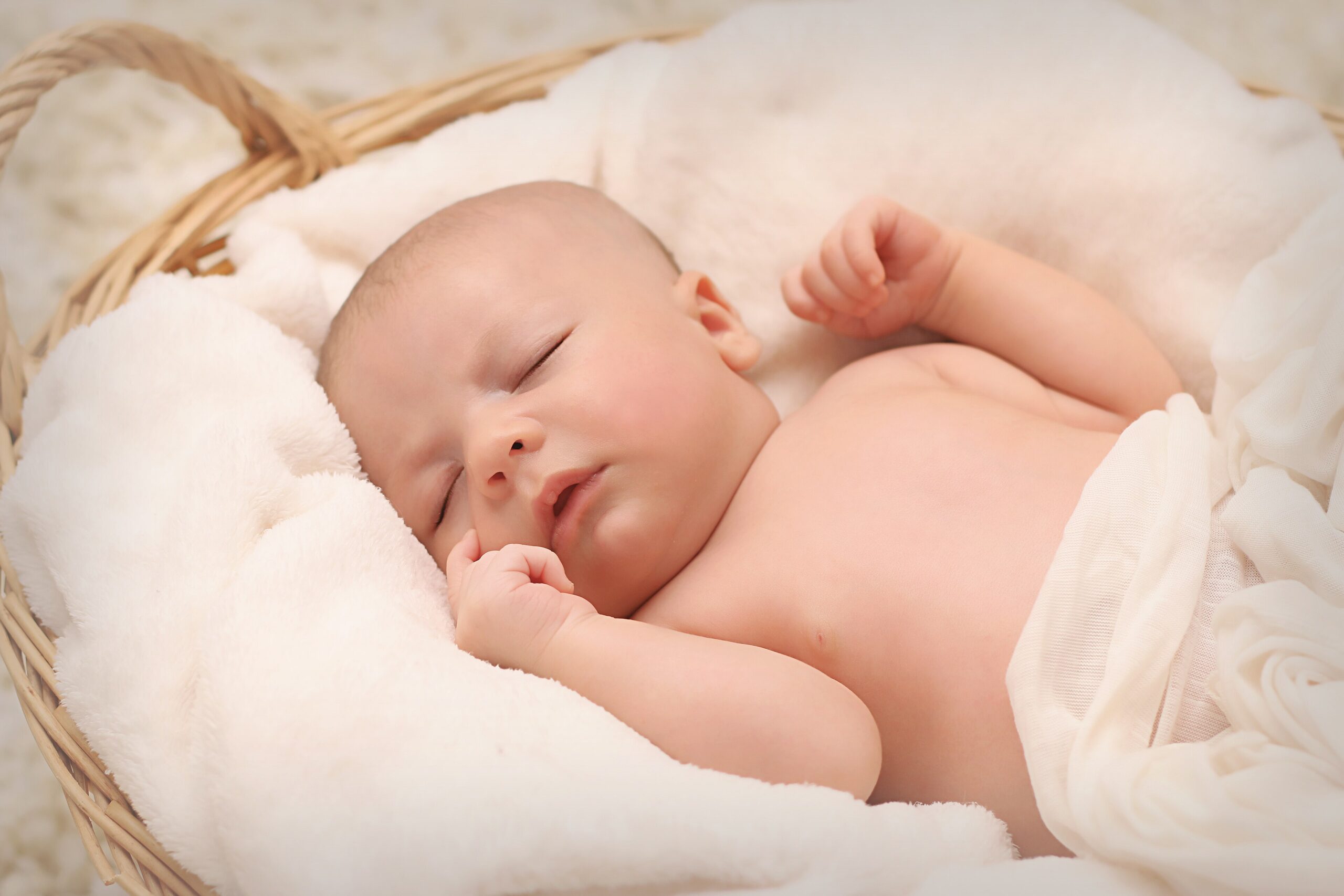
Sixteen thousand Utah babies got protection against RSV last season, and they were 9 times less likely to end up in the hospital. Carolyn Reynolds, executive director of the ambulatory clinical program at Intermountain Children’s Health, shared the figure with KSL along with a plain rule for the holidays: do not pass the baby around.
What Reynolds expects after Thanksgiving
RSV, short for respiratory syncytial virus, is the leading cause of infant hospitalization nationwide, KSL reported. Reynolds expects Utah cases to rise after Thanksgiving and before Christmas, the stretch when families gather indoors.
The CDC’s immunization guidance uses nearly the same language, calling RSV “the leading cause of infant hospitalization in the U.S.” The Utah health department’s epidemiology page lists infants younger than 6 months among those at highest risk.
The rule for holiday gatherings
Reynolds advises parents not to pass a baby around to lots of people who may or may not be sick. She also suggests washing hands often and asking guests not to kiss the baby’s face, KSL reported.
The state health department explains why those steps matter. RSV spreads when infected people release droplets by coughing, sneezing or talking, and someone who is not sick can be infected if those droplets reach their eyes, nose or mouth. General hygiene, including frequent handwashing, avoiding close contact with sick people, covering coughs and sneezes, and staying home when sick, also helps, according to the same page.
Why RSV can be hard to spot at first
RSV often looks like a cold, with a runny nose, cough or fever, so it can be hard to tell apart from the flu, Reynolds told KSL. A pediatrician can help identify the cause.
The CDC says very young infants may show only irritability, lower activity and breathing problems. Other possible symptoms include congestion, reduced appetite, sneezing, fever and wheezing. Symptoms usually appear within 4 to 6 days of infection and often come in stages rather than all at once, according to the CDC.
Reynolds says to seek medical care if a child has trouble breathing, is not drinking enough fluids or is getting worse. The CDC and the Utah health department give the same three warning signs.
Parent Diaries has covered how these symptoms can change over several days in a piece on babies under 6 months and RSV.
The protection behind the 16,000 Utah babies
KSL did not name the specific product behind the figure. It reported that expectant mothers can get the RSV vaccine at 32 to 36 weeks of pregnancy to pass protective antibodies to their babies, and that eligible babies can get an antibody shot after birth.
The Utah health department says infants younger than 8 months should get one dose of the antibody nirsevimab, and pregnant people who will be 32 to 36 weeks along between September and January can get one dose of the maternal vaccine. It says to get these protections as early in the season as possible.
The CDC says either the maternal vaccine or an infant antibody is recommended, and most infants do not need both. The agency says infants under 8 months born during or entering their first RSV season should get an antibody if the mother did not get the vaccine during pregnancy, her status is unknown, or the baby was born within 14 days of her vaccination. In most of the continental U.S., the CDC says, it is given from October through the end of March.
The CDC’s prevention page names Pfizer’s Abrysvo as the maternal vaccine and says protection for infants comes from either that vaccine or an RSV antibody given after birth. For more on timing, see Parent Diaries’ earlier report on the RSV shot for babies under 8 months.
Cost and where to ask
Most insurance plans cover the RSV shot at no cost, KSL reported. Uninsured families can get it free through Utah’s Vaccines for Children program. Parents can contact their pediatrician’s office or county health department about flu or RSV protection.
Children can get a flu shot starting at 6 months, Reynolds told KSL, a separate step for older babies as respiratory illness rises through the winter.
Get stories like this by email. Sign up for The Parent Diaries Letter.
This article was produced with AI assistance and edited for accuracy against the sources linked above.
Image: Elizabeth, CC0, via Wikimedia Commons