Babies Under 8 Months Should Get an RSV Shot Between October and March Unless Mom Got the Vaccine in Pregnancy, the AAP Says. It Cuts Hospital Stays by Up to 90%.

October through March is RSV season in most of the country, and the American Academy of Pediatrics says every baby under 8 months who is born during it or heading into it should get an RSV antibody shot. The main exception is a baby whose mother received the RSV vaccine during pregnancy at least 14 days before delivery.
The advice comes from Dr. Sean O’Leary, a pediatric infectious diseases specialist, on the AAP’s parent site. The academy says the shot is up to 90% effective at preventing RSV hospitalization.
Which Babies Get the Shot and Which Can Skip It
The AAP’s guide for new and expectant parents says infants under 8 months should receive either nirsevimab (brand name Beyfortus) or clesrovimab (Enflonsia) during RSV season. Both are antibody products given as an injection, not vaccines in the usual sense. They supply protection directly rather than asking the baby’s body to build it, and the AAP says protection starts right away and lasts at least five months, which covers a typical season.
Most babies do not need the shot if the birth parent got the maternal RSV vaccine at least 14 days before delivery. The AAP says a pediatrician may still recommend it if the birth parent has a condition affecting the immune system, such as HIV, has had treatments like plasmapheresis or ECMO, or if the baby has certain heart conditions.
The academy set out the same approach in its 2026-2027 season recommendations, published Sept. 2. They call for all infants under 8 months born during or entering their first RSV season to be protected, unless they have documented protection from vaccination of the pregnant parent. O’Leary, who chairs the RSV immunization subgroup of the AAP’s Committee on Infectious Diseases, said in that announcement: “The evidence is clear: these products work very well to prevent RSV and keep infants out of the hospital.”
When to Get It, Depending on the Birth Date
Timing depends on when the baby is born. The AAP says babies born outside RSV season should get the shot shortly before the season starts, or as early as possible once it has begun. Babies discharged from the hospital during the season should get it before leaving or soon after going home.
The CDC’s infant immunization page gives the same pattern: shortly before the season, or within one week of birth for babies born from October through March in most of the country. The AAP notes that the season can differ in Alaska, Florida, Hawaii, Puerto Rico and other U.S. territories, so families in those places should ask a local pediatrician when the window opens.
If a baby is sick when the shot is due, the pediatrician may suggest waiting until recovery. A baby who has already had RSV should still get the shot, the AAP says, because reinfection can happen in the same season. The shot can be given with other age-appropriate vaccines, and studies suggest it does not affect how well they work.
What the Maternal Vaccine at 32 to 36 Weeks Changes
The other route to protection is vaccination during pregnancy. The AAP says the maternal RSV vaccine (Abrysvo) can be given at 32 through 36 weeks if the baby will be born during RSV season. The CDC lists September through January as the usual window in most of the country.
The 14-day rule comes from how the protection works. Antibodies take about two weeks to pass through the placenta, so a baby born less than 14 days after the mother’s shot is treated as unprotected and needs the infant shot. The AAP says the maternal vaccine reduces the risk of RSV hospitalization by 57% in a baby’s first six months, and that it protects only the baby from that pregnancy. The CDC adds that protection lasts about six months after birth and that a later pregnancy does not call for another dose if a previous one was given. Instead, that baby gets the infant antibody.
How Well It Works and What to Ask the Pediatrician
The “up to 90%” figure appears in the AAP’s guide, which says the infant immunizations are up to 90% effective at preventing RSV hospitalization. The federal approval records show a range of results from clinical trials. The FDA’s trial snapshot for clesrovimab reported 84.3% efficacy against RSV hospitalization through day 150, while the FDA’s 2023 announcement on nirsevimab described reductions of about 70% to 75% in medically attended RSV lower respiratory infections in its trials.
Side effects are usually mild. The CDC says the infant antibodies typically cause short-lived effects such as pain where the shot was given, and that allergic reactions are uncommon but have been reported.
A few children need the shot again in a second season. The AAP lists babies born before 32 weeks, children with chronic lung disease or certain heart conditions, children with a lung, airway or neuromuscular condition, those with a severely weakened immune system, children with Down syndrome or certain other chromosomal differences, children with cystic fibrosis plus severe lung disease, and American Indian and Alaska Native children, ages 8 to 19 months. Most children do not need it after their first season.
The AAP’s page does not address cost or insurance, so that question goes to the pediatrician or the insurer. For families watching the season arrive, Parent Diaries has also covered a Kansas City children’s hospital’s visitor limits as RSV and flu season builds.
Get stories like this by email. Sign up for The Parent Diaries Letter.
This article was produced with AI assistance and edited for accuracy against the sources linked above.
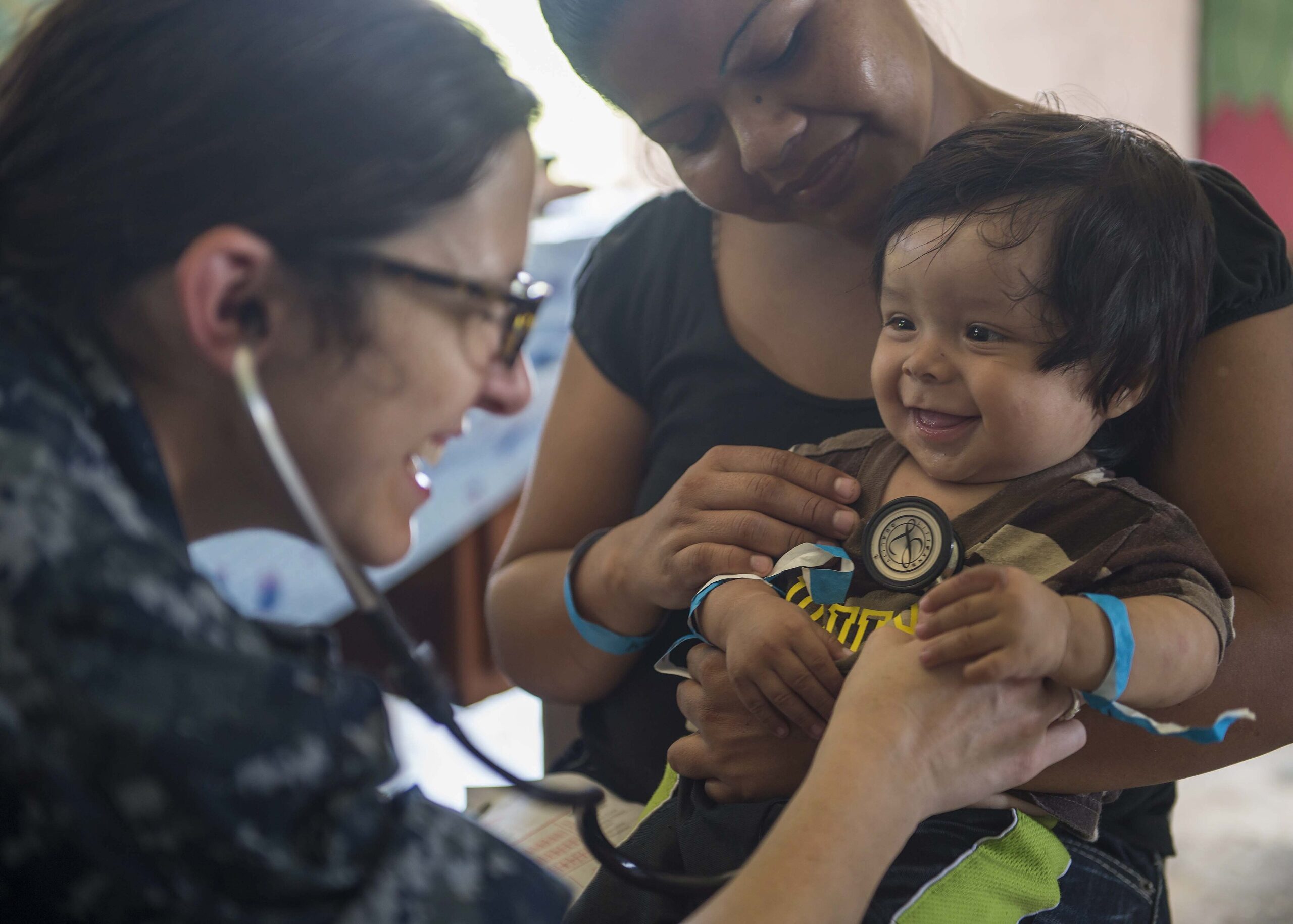
Image: Official U.S. Navy Page – Public domain/Wikimedia Commons