
Babies Under 6 Months Get Hit Hardest by RSV, and Cleveland Clinic Says Days Three to Five Are When Symptoms Often Turn Worse

With RSV season getting under way, Dr. Kristin Barrett, a pediatrician at Cleveland Clinic, says the virus “tends to cause the most issues in babies who are younger than 6 months old.” The Centers for Disease Control and Prevention says RSV spreads in the fall and winter alongside other respiratory viruses and usually peaks in December and January, which puts the youngest infants at the center of the coming months.
The reason, Barrett explained in a Cleveland Clinic health article, is size. RSV can progress quickly in infants because their airways are so small.
Why Babies Under 6 Months Face the Highest Risk
For most people, RSV is a mild illness. The CDC says it usually causes cold-like symptoms and that healthy adults and children typically do not get severely ill. The picture is different for the youngest babies, who are the group the CDC lists as being at highest risk.
The agency describes RSV as the most common cause of bronchiolitis and pneumonia in children younger than 1. On its page for infants and young children, the CDC puts it plainly: “the younger the age, the higher the risk.” Each year, 2 to 3 of every 100 infants under 3 months are hospitalized with RSV, according to the agency.
Barrett also tried to keep the numbers in proportion. RSV itself is very common, she said, but severe RSV or complications from it are relatively rare.
Other children carry added risk. Connecticut Children’s lists infants 1 year old or younger, children younger than 2, children who are immunocompromised and children with existing lung disease such as asthma as the groups at highest risk.
Days Three to Five Are the Window to Watch
RSV usually looks like a cold at first. Barrett said it begins with a runny nose, cough, mild fever, irritability and a decreased appetite. The trouble is that symptoms often get worse before they get better, especially in the first week.
That is why she advises close watching around days three to five of the illness. In her words, those are “considered peak symptom days.”
The same timeline appears elsewhere. In a blog post by Children’s Hospital of The King’s Daughters, Dr. Mark Downey of Pediatric Associates of Williamsburg said RSV “looks and sounds like a cold but can quickly become more serious.” The post says the illness usually lasts about a week, with the worst days around days three to five.
Fever is not a reliable signal. The CDC notes that many infants with RSV do not develop one, and infants under 6 months may instead seem irritable, less active, or have pauses in breathing that last more than 10 seconds.
Breathing Signs That Mean the Emergency Room
Of all the warning signs, Barrett ranks breathing first. “Breathing troubles are the biggest red flag,” she said, adding that this “almost always needs medical attention urgently.”
Cleveland Clinic’s list of breathing warning signs includes:
- Retractions, where the skin sucks in at the ribs or armpit
- The neck and shoulders working to breathe
- Flaring nostrils
- Very fast or shallow breathing
- Pauses in breathing
- Bluish or gray lips, mouth or fingernails
- Severe lethargy or trouble waking up
Connecticut Children’s gives a similar set of emergency signs. Trouble breathing or fast breathing, ribs pulling in with each breath, bluish skin or lips, and a baby who is not alert when awake all call for 911 or the emergency room, according to the hospital. The hospital also tells parents to trust their instincts in a true emergency.
The CHKD post adds that gray or blue lips, tongue or skin, pauses in breathing, and decreased activity or alertness are reasons to call 911.
Fever Numbers and the Dehydration Check
For the very young, a temperature reading matters even if fever is not always present. Connecticut Children’s says a fever of 100.4 degrees Fahrenheit or higher in an infant under 3 months means calling the pediatrician on call first. The CHKD post gives the same 100.4-degree line for babies under 3 months, and adds repeated fevers of 104 degrees or higher at any age.
Dehydration is the other practical check. Barrett said signs include no tears when crying, a dry mouth, and more than eight hours without a wet diaper. Connecticut Children’s lists the same eight-hour mark and says to call the pediatrician on call first if it occurs.
When a caregiver is unsure, Barrett’s advice is simple. Calling the pediatrician, she said, is “never going to be the wrong answer” when there is doubt. She added that a very young baby with cold-like symptoms, noticeably reduced eating, or breathing that does not look normal is a reason to phone.
Home Care and the Protection Options for Infants
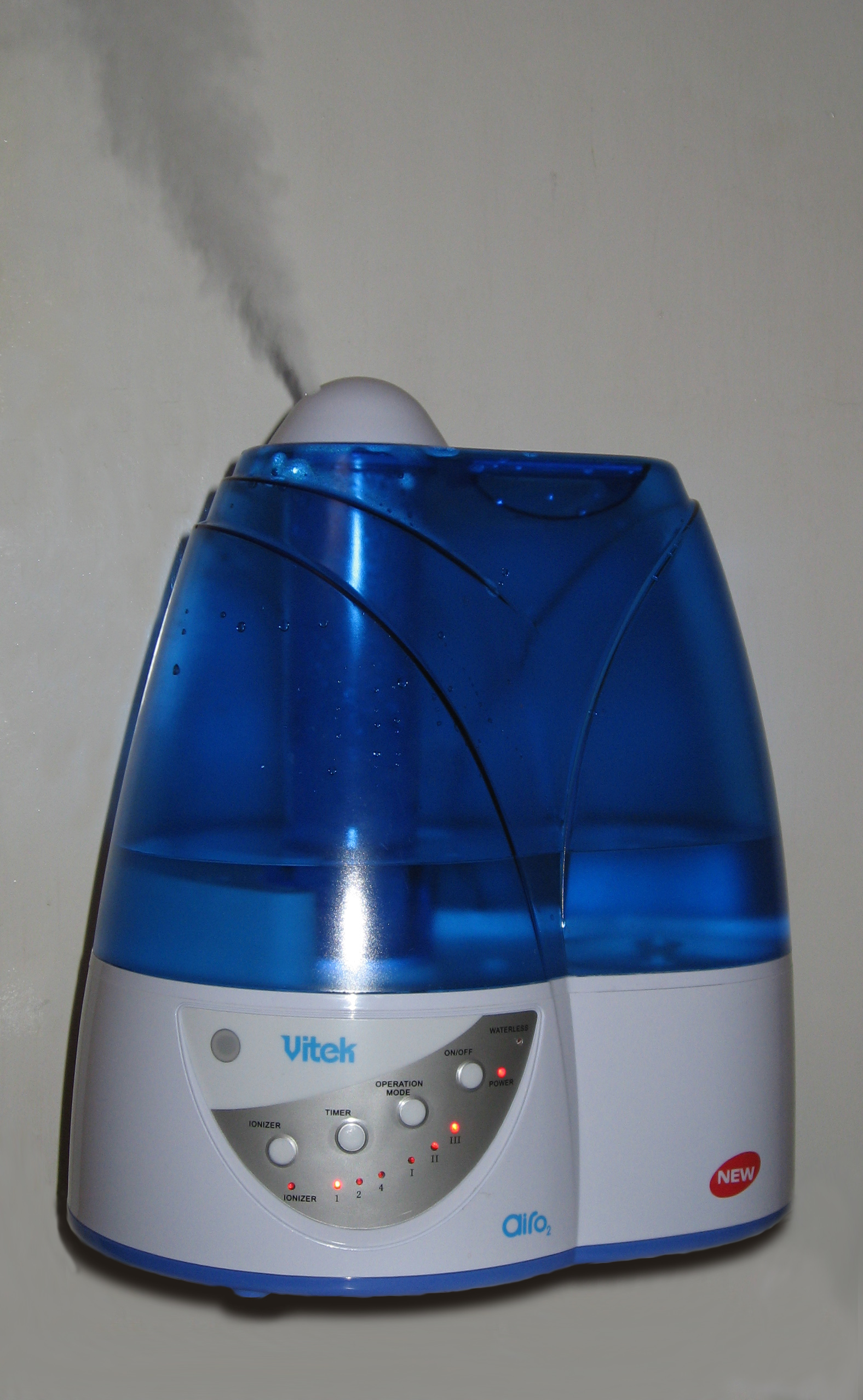
When an infant is not in distress, care at home is supportive. Connecticut Children’s recommends rest, plenty of fluids and a cold-mist humidifier, along with elevating the mattress. It says nebulizer treatment should be used only if a doctor says so, and that a pediatrician should be asked about FDA-approved medications before anything is given. Antibiotics do not work against viral infections, the hospital notes, though they may be prescribed for a secondary ear infection.
Hospital care, when needed, is also supportive. The CDC says the most severe cases may need extra oxygen, IV fluids or mechanical ventilation, and that most infants recover and go home within a few days.
On prevention, the CDC recommends one of two options: an RSV vaccine given to the mother during pregnancy, or an RSV antibody given to infants and some older babies. “Most infants will not need both,” the agency says.
Dr. Alefiyah Malbari, a pediatrician at UT Medicine and chief of Dell Children’s Medical Group Pediatrics Mueller, noted in a post on preparing for RSV season that for babies born from October through March, the RSV antibody is recommended shortly before the fall season or within the first week after birth. Everyday habits also help: frequent hand washing, avoiding close contact with sick people, disinfecting shared toys and staying home when sick.
Get stories like this by email. Sign up for The Parent Diaries Letter.
This article was produced with AI assistance and edited for accuracy against the sources linked above.
Image: MaxSem – Public domain/Wikimedia Commons


