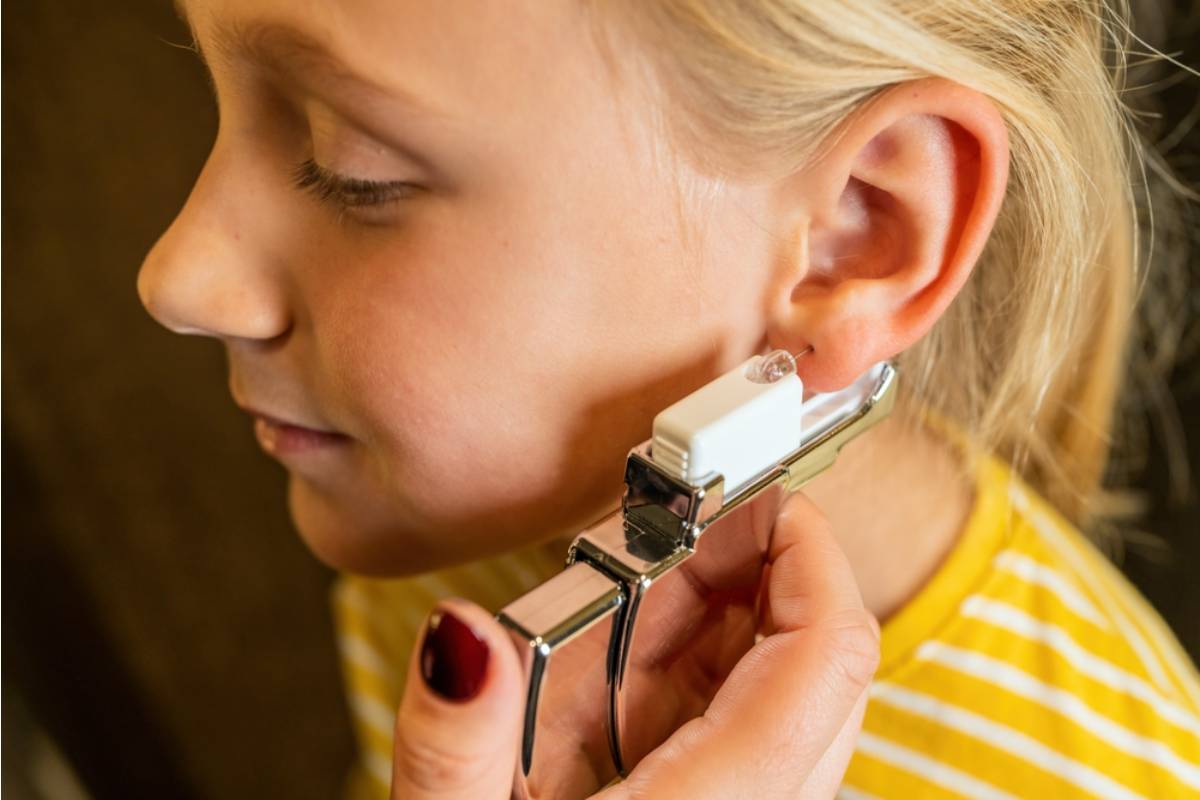
Dad Says He Refused to Let His Daughter Get Her Ears Pierced at Six Because “That’s a Decision She Should Make Herself,” Now His Wife Says He’s “Overthinking a Tradition”

The argument didn’t begin as an argument at all. It started with his wife casually mentioning that their daughter was finally “at the cute age” for ear piercing. She said it like it was already decided, like it was just something that would happen over the weekend. He stopped mid bite and asked what she meant by that. She said most girls in her family had it done before kindergarten and it was simply how things were done.
A firm refusal at the kitchen table
He shook his head and said he didn’t want it done. His reasoning was simple: their daughter was six and should decide for herself when she was older. His wife laughed a little, thinking he was joking or being overly cautious. But when she realized he was serious, her expression changed fast. The conversation turned sharp, with both of them talking over each other before the coffee even cooled.
Their daughter overhears more than she should
From the hallway, their daughter heard her name and quietly stepped closer. She didn’t fully understand the topic but caught words like “piercing” and “no.” She asked if they were talking about her ears, tilting her head in confusion. The room went silent for a moment as both parents realized she had been listening. Her mother quickly smiled and said it was just a grown up discussion.
Family tradition enters the argument
That evening, the wife brought up how every woman in her family had gotten ear piercings young. She said it was a bonding moment, something mothers and daughters shared early on. He responded that traditions were fine but should not override personal choice. The word “control” slipped into the conversation and immediately changed the tone. Neither of them backed down after that.
A phone call to her sister adds pressure
His wife called her sister later that night to vent. On speaker, her sister immediately agreed that he was making things unnecessarily complicated. She said it was just earrings, not something life changing. Hearing another voice support her made his wife more confident in her stance. When the call ended, the tension in the house felt heavier than before.
He talks to a coworker for perspective
The next day at work, he mentioned the situation to a coworker during lunch. The coworker shrugged and said he had taken his own daughter for ear piercing at five without thinking twice. But then another colleague chimed in, saying he actually regretted not letting his daughter choose later. That small disagreement at the table stuck with him more than he expected. He realized there wasn’t a single obvious answer everyone agreed on.
A small comment at school changes everything
When he picked up his daughter from school, she asked if getting ears pierced would hurt. She said a friend had earrings and they looked “grown up.” He noticed she wasn’t excited or scared, just curious. But the question made the issue feel more real and less theoretical. It was no longer just about adults debating choices.
The wife feels undermined in front of family
That weekend, the wife’s mother visited and casually brought up how she had pierced all her daughters early. She said it was easier when done young and “nobody complained back then.” The dad stayed quiet but visibly uncomfortable. Later, his wife said he should have just agreed instead of turning it into a discussion in front of her family. He said he wasn’t trying to embarrass anyone, just sticking to his point.
The child becomes the center of attention
Over the next few days, the daughter started asking more questions. She wanted to know if it hurt, if it was permanent, and if she could pick the earrings. The parents realized they had unintentionally made it feel like a big decision in her mind. What started as a simple idea was now something she was thinking about daily. Neither parent liked how much attention it had taken on.
A disagreement turns into a bigger parenting debate
One evening, the argument escalated into broader parenting philosophies. His wife said he was overthinking everything and making simple childhood experiences harder than they needed to be. He argued that small decisions now shape how children understand autonomy later. The discussion stopped being about earrings and became about control, independence, and trust. Both of them left the room frustrated.
A friend offers an unexpected middle ground
A close friend suggested a compromise during a weekend visit. She said there was nothing wrong with waiting, but also nothing wrong with explaining the process and letting the child decide later. She added that kids often lose interest once the choice is no longer pressured. Both parents listened without interrupting for once. It was the first time the conversation didn’t feel like a debate.
The daughter makes her own surprising statement
A few days later, the daughter said she didn’t want anything done right now. She said she wanted to “think about it when I’m bigger.” The parents exchanged a quick glance, both surprised by how easily she made the decision. There was no pressure, no argument, just a simple preference. The tension that had built up for a week suddenly eased.
A quiet resolution at the end of the week
That night, the couple didn’t revisit the argument. Instead, they agreed to leave it for the future and let their daughter bring it up again if she still wanted it. There was no dramatic apology or final agreement, just a quiet understanding that not every decision needed to be rushed. The house felt normal again for the first time in days. And for now, that was enough.