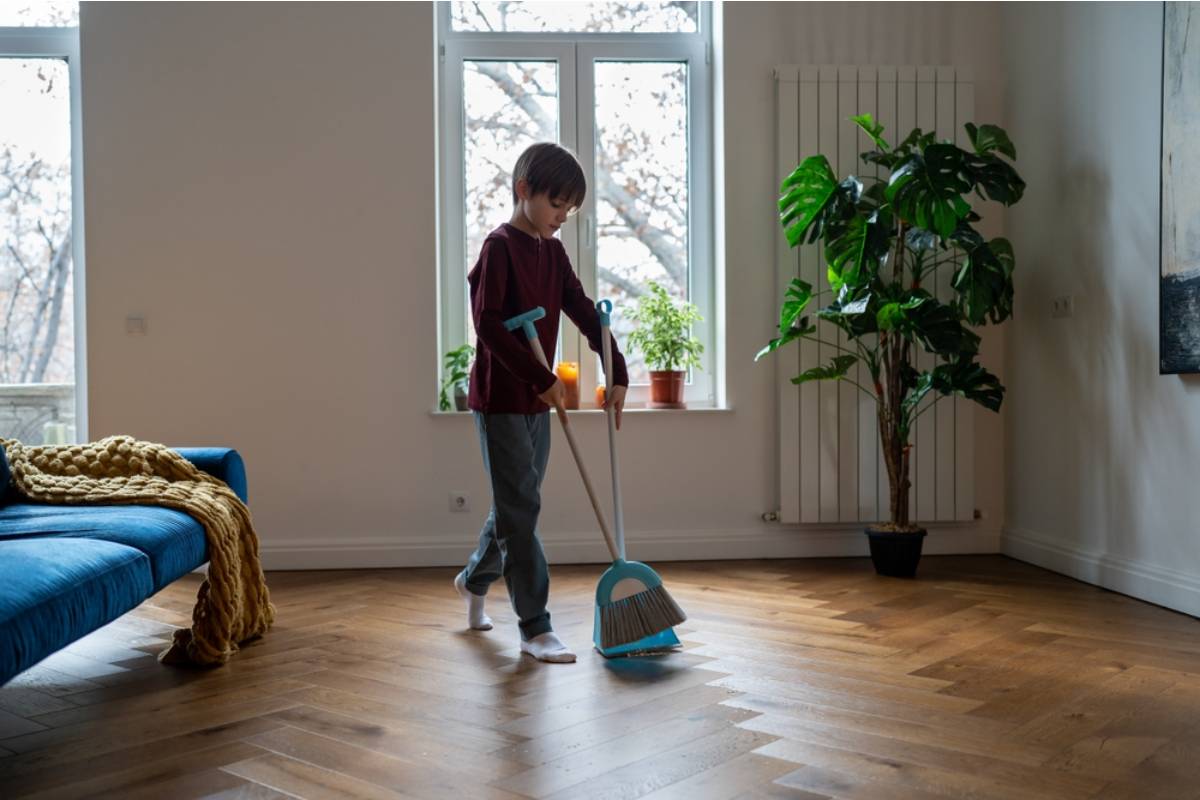
A Teacher Says a Student Asked Her if Being the “Responsible One” in the Family Ever Actually Ends

Some questions stay with teachers long after the school day ends. They are not found in textbooks or lesson plans, yet they reveal more about a child’s life than any report card ever could. One quiet conversation after class forced a teacher to see a student in a completely different light and changed the way she understood responsibility.
A Student Everyone Trusted
Mrs. Lawson taught seventh grade language arts and had quickly learned that Jacob was the kind of student every teacher appreciated. He arrived early, turned in assignments on time, and often volunteered to help classmates without being asked.
If another student forgot a pencil, Jacob somehow had an extra one. If group projects became disorganized, he quietly stepped in and kept everyone focused. Adults praised him constantly for being mature beyond his years.
No one questioned why a thirteen year old seemed more comfortable solving other people’s problems than enjoying his own childhood.
A Simple Writing Assignment Opened the Door
One afternoon Mrs. Lawson assigned a personal essay about a role students believed they played within their families. Some described being the funny sibling. Others wrote about being the athlete, the peacemaker, or the youngest child.
Jacob stared at his blank paper much longer than usual.
When class ended, he handed in only a few unfinished paragraphs. That had never happened before.
Mrs. Lawson gently asked if everything was alright.
He quietly nodded, but she could tell something was weighing on him.
An Unexpected Visit After School
About twenty minutes after dismissal, Jacob knocked softly on the classroom door.
Mrs. Lawson looked up from grading papers.
“I forgot my notebook,” he said.
She handed it to him, but instead of leaving, he remained standing near the doorway.
It seemed as though he wanted to ask something but could not decide how.
Finally, he took a deep breath.
One Question Changed the Conversation
Jacob looked directly at his teacher.
“Can I ask you something that’s not about school?”
Mrs. Lawson smiled.
“Of course.”
He hesitated for several seconds.
“If you’re the responsible one in your family, does that ever actually end?”
The question caught her completely off guard.
She Realized He Was Not Asking About Homework
Mrs. Lawson did not answer immediately.
Instead, she asked gently, “What makes you wonder that?”
Jacob shrugged.
“I don’t know.”
Then he corrected himself.
“I guess I do know.”
His voice stayed calm, but his eyes told a different story.
The Weight He Carried Every Day
Jacob explained that his mother worked long shifts at a hospital while his father traveled frequently for construction jobs.
Every afternoon he picked up his eight year old sister from school.
He made snacks, checked homework, started laundry, fed the family dog, and reminded his sister to practice piano before their mother returned home.
He never complained because someone had to do those things.
The Small Details Nobody Noticed
As Jacob talked, Mrs. Lawson suddenly understood several things she had overlooked.
He never joined after school clubs.
He always declined invitations to birthday parties unless they happened on weekends.
Whenever classmates stayed late to decorate classrooms or rehearse presentations, Jacob politely apologized and rushed home.
Teachers assumed he simply had other interests.
The truth was far more complicated.
The Conversation Took an Emotional Turn
Jacob quietly admitted something he had never told anyone at school.
Sometimes he purposely earned perfect grades because he felt guilty causing any extra stress at home.
“If I mess up at school too, that’s just one more problem for my mom.”
Mrs. Lawson felt her heart sink.
She realized this child measured his worth by how little trouble he created for everyone else.
A Meeting With the School Counselor
The next morning Mrs. Lawson spoke privately with the school counselor.
She made it clear that Jacob had described a loving family, not neglect or abuse.
The concern was different.
Jacob had slowly accepted responsibilities that left almost no room for simply being a kid.
The counselor agreed it deserved careful attention and support.
His Mother Was Shocked
A conference was arranged with Jacob’s mother later that week.
She arrived looking worried, fearing something had happened at school.
Instead, Mrs. Lawson shared Jacob’s question.
His mother covered her face with both hands.
“I didn’t know he was thinking about it like that.”
She explained that Jacob had always insisted he enjoyed helping.
She never realized he believed those responsibilities defined who he was.
A Family Conversation Changed Everything
That weekend Jacob’s parents sat down with both children after dinner.
His father admitted he had relied on Jacob more than he realized.
His mother thanked him for everything he had done but explained something important.
“You are helping this family.”
“But you are not responsible for carrying it.”
Jacob remained quiet for several moments.
Finally he asked, “Are you sure?”
His parents answered at the same time.
“Absolutely.”
Learning to Share the Load
Over the next few weeks several changes happened.
Jacob’s father rearranged part of his work schedule to be home more often.
His younger sister began packing her own school bag and taking responsibility for simple chores she could handle herself.
His mother stopped asking Jacob to solve every household problem first.
Little by little, the pressure became lighter.
A Different Kind of Responsibility
Mrs. Lawson noticed changes almost immediately.
Jacob joined the after school writing club for the first time.
He accepted an invitation to a friend’s birthday party without checking his watch every few minutes.
One afternoon she even heard him laughing loudly in the hallway during dismissal.
It struck her because she could not remember hearing that carefree laugh before.
The Essay He Finally Finished
Several weeks later Mrs. Lawson returned the unfinished family role assignment.
She told students they could rewrite it if they wanted.
Jacob submitted an entirely new version.
Instead of describing himself as the responsible one, he wrote about learning that responsibility and love were not exactly the same thing.
Someone could love their family deeply without believing they had to carry everyone’s burdens alone.
The Question That Stayed With Mrs. Lawson
Years passed, and Mrs. Lawson taught hundreds of new students.
She forgot many quizzes, classroom projects, and daily routines.
She never forgot Jacob’s question.
Whenever she noticed a child acting unusually mature, always apologizing, or constantly trying to fix everyone else’s problems, she looked a little closer before assuming they were simply well behaved.
Jacob eventually graduated and stopped by the school during his senior year of high school to visit his former teacher. They talked about college applications, future plans, and how much life had changed since seventh grade. Before leaving, he smiled and admitted he still helped around the house every day, but now his family shared those responsibilities instead of placing them quietly on his shoulders.
Mrs. Lawson watched him walk down the hallway and realized that his question had finally found an answer. Being dependable never truly ends, but carrying responsibilities alone should. Every child deserves the chance to grow up knowing that helping the people they love is a gift, not a life sentence, and that adulthood should arrive one step at a time instead of years too early.