Tulsa Public Schools Will Close 17 Campuses at the End of This School Year, Moving More Than 4,700 Students to New Schools After a 6-1 Board Vote

Ten years ago, Tulsa Public Schools served about 40,900 students. This fall, the district counted roughly 32,500, and on Monday, Oct. 19, its school board decided the buildings had to shrink to match. In a 6-1 vote, the Tulsa Board of Education approved closing or consolidating 17 campuses at the end of the 2026-27 school year, a change that will send more than 4,700 children to different schools next fall.
The decision came less than four weeks after the plan was first made public, and many parents and teachers had asked the board to slow down. It did not.
The 17 Tulsa campuses on the closure list
According to reporting from The Tulsa Flyer, the schools that will close or merge after this school year are Anderson, Bell, Dolores Huerta, Hoover, Kerr, Key, Marshall, Mitchell, Peary, Robertson, Sequoyah and Springdale elementary schools, along with Greenwood Leadership Academy, Thoreau Demonstration Academy, Unity Learning Academy, Central Middle School and Tulsa MET Middle and High School.
That breaks down to 14 elementary schools, two middle schools and one alternative program. In all, about 10,000 seats will be taken out of the district’s buildings, and more than 4,700 students will be relocated to new sites starting with the 2027-28 school year.
Superintendent Ebony Johnson first presented the plan on Sept. 21. At the time, she said the district’s current structure was not putting enough money into classrooms. Johnson called them very difficult decisions that district leaders were not taking lightly, according to Fox 25.
Every school on the list enrolled fewer than 400 students and used less than 65% of its building, Public Radio Tulsa reported. District leaders said they also weighed enrollment trends, building size, location and whether children would have a safe walking route to a new school.
A $12 million gap behind the vote
The closures grew out of a July board resolution that told district leaders to find at least $12 million in savings. The district estimates the consolidation plan will save $11.1 million over time, mostly through lower staffing costs at the closing sites. Central office was directed to find another $1.5 million, mainly through attrition and non-salary cuts, K-12 Dive reported.
Enrollment is the root of the problem. The district reported 779 fewer students this fall than at the same point last year. On Sept. 8, district officials said Tulsa Public Schools would need about 2,600 more students to balance its budget at current staffing levels.
Tulsa is not the only district feeling the squeeze. Enrollment has been falling in big-city schools as more parents choose other options, including the more than 14,000 New York City children now learning at home.
Chief Financial Officer Kristen Stephens told the board that projected enrollment declines would push six more elementary schools below 60% of capacity within two years. Without cuts, she said, the district’s fund balance would run dry and it would be unable to pay employees by fall 2028.
Johnson also argued that combining schools would let the district spread specialized teachers further. Right now, 6,119 students at 21 schools do not have dedicated music and art teachers, and she said consolidation would free up full-time fine arts staff for more children.
Closures are only part of the district’s plan to stabilize. Leaders have also said they want to expand virtual programs to students who live outside the district, add seats in the most in-demand programs, and use the $609 million bond voters approved in 2026 to invest in career academies, fine arts and athletics.
Parents and teachers asked for more time
The plan drew heavy pushback. Nearly 30 people signed up to speak during public comment on Oct. 19, and many asked the board to delay. About 715 people attended district community sessions, and 2,202 people answered the district’s survey, which closed only days before the vote.
Linda Jones-Sosa, a kindergarten teacher at Mitchell Elementary, described her school to the board in one word: “It’s a family.” Jennifer Jones, a health aide at Kerr Elementary, said the board had not heard the people who spoke.
State Rep. Michelle McCane, a Tulsa Democrat, urged the board to table the plan, saying the district “has lost the trust of many in the community.” Jennettie Marshall, a former board member, pointed to the 2019 closure of Gilcrease Elementary and warned that the district would lose students.
Board Vice President Calvin Moniz cast the only vote against the plan. He said the proposal was, on paper, probably the most plausible financial solution, but he told the board he lacked confidence in how the district would carry it out. Board member Stacey Woolley, who voted yes, said, “It’s hard to do unpopular things.”
What Tulsa families can expect before next fall
Nothing changes for students this school year. All 17 campuses stay open through the end of 2026-27, and the moves take effect when the 2027-28 year begins.
The bigger questions for parents are which school their child will attend, how they will get there, and whether favorite teachers will follow. District leaders said transportation changes and staff reassignments still need to be finalized before winter break and the start of the enrollment period. Families raised concerns at the meeting about larger class sizes, longer commutes and possible job losses for school staff.
Parents who want to see other options can find tours and open house dates on the district’s enrollment events calendar or call the Enrollment Center at 918-746-7500. The board’s next regular meeting is set for 5:30 p.m. on Nov. 9, and meeting agendas and public comment forms are posted on the Board of Education page.
For a district that has been losing students for decades, the vote sets up a major reshuffle. For thousands of Tulsa children, it means next August will bring a new building, new classmates and, in many cases, a new route to school.
Get stories like this by email. Sign up for The Parent Diaries Letter.
This article was produced with AI assistance and edited for accuracy against the sources linked above.
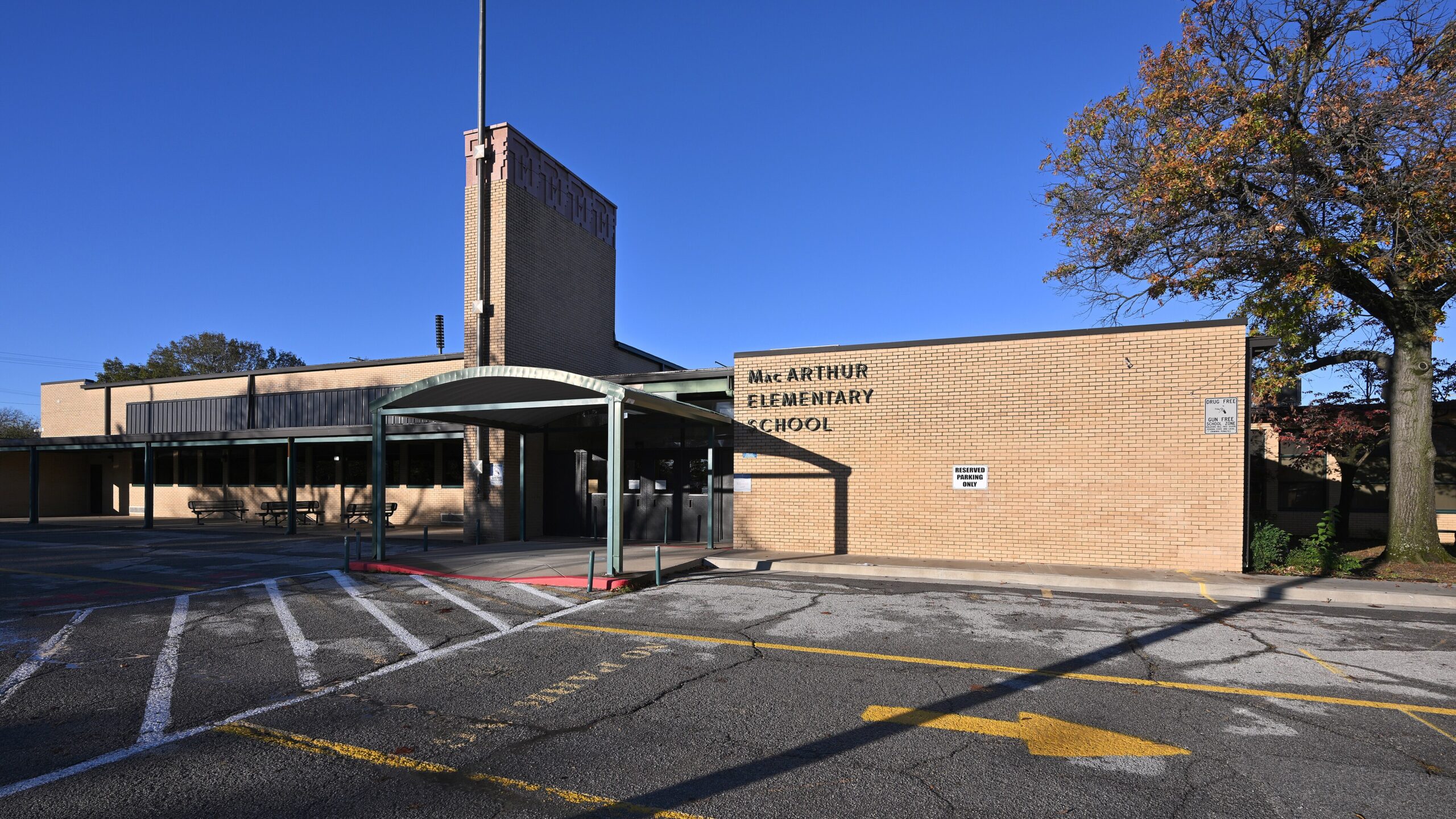
Image: G. Edward Johnson – CC BY 4.0/Wikimedia Commons