A Dad Found Out His Daughter Had Been Sitting With the New Kid at Lunch Every Day Not Out of Kindness but Because She Understood Exactly What It Felt Like to Eat Alone

When Michael’s daughter came home from school, she rarely had dramatic stories to tell. Eleven year old Ava usually talked about science experiments, spelling quizzes, or the latest library book she had borrowed. She never described herself as especially popular, and she never complained about classmates either.
One evening her teacher sent Michael a short email praising Ava for making the new student feel welcome during his first month at school. Michael smiled, assuming his daughter had simply been raised to be thoughtful. He had no idea the real reason behind her daily lunch routine would leave him questioning how much of her own school experience he had completely missed.
A Compliment That Led to Questions
The teacher’s email described how Ava had chosen to sit with the new student, Caleb, every day since he transferred from another state. According to the teacher, Caleb barely spoke during his first week, but he slowly became more comfortable because Ava always invited him into conversation.
That night Michael casually mentioned the email during dinner.
“I’m proud of you,” he said.
“You’ve really helped someone who needed a friend.”
Ava smiled politely but did not look nearly as pleased as he expected.
An Answer He Never Expected
Instead of accepting the compliment, Ava quietly stirred her macaroni with her fork.
“I’m not doing it because I feel sorry for him,” she finally said.
Michael looked confused.
“Then why?”
She hesitated before answering.
“Because I already know what it’s like when nobody sits with you.”
The room became completely silent.
A Memory She Had Never Shared
Michael immediately thought she was talking about something that had happened years ago.
Instead, Ava explained that it had happened only last semester.
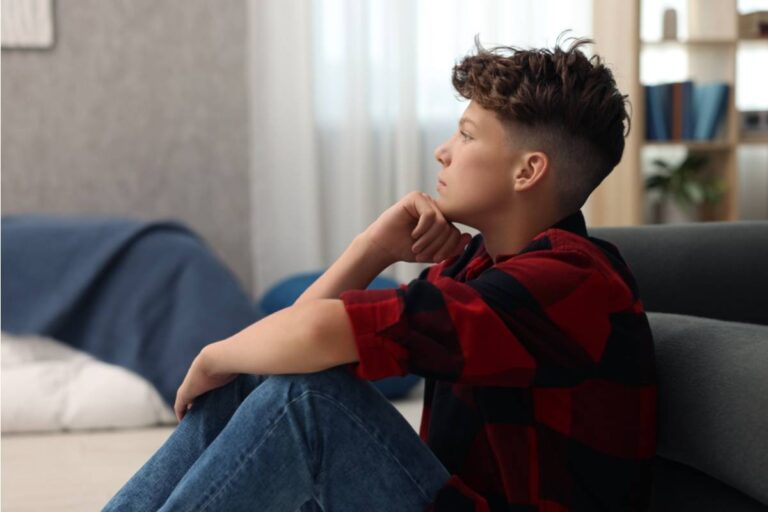
For nearly three weeks, her closest friends had all joined different clubs that met during lunch. Without planning it, they each ended up sitting at different tables while Ava quietly ate by herself.
Nobody was trying to be mean.
Nobody even realized she was alone.
That almost made it hurt more.
The Cafeteria Became Invisible
As Ava continued talking, Michael realized how carefully she had hidden those weeks.
“I kept pretending I was reading,” she admitted.
“If people think you’re busy, they don’t notice you’re sitting alone.”
Michael felt a knot forming in his stomach.
Every afternoon during that time he had asked how school was going.
Every afternoon Ava had answered, “Fine.”
He had believed her.
Caleb Walked Into the Same Situation
When Caleb transferred into the school, Ava recognized something familiar before anyone else did.
She noticed how he scanned the cafeteria before choosing a seat.
She noticed he carried his lunch tray more slowly than everyone else.
Most of all, she recognized the expression on his face when he pretended not to care where he ended up sitting.
She had worn that same expression herself.
The First Invitation
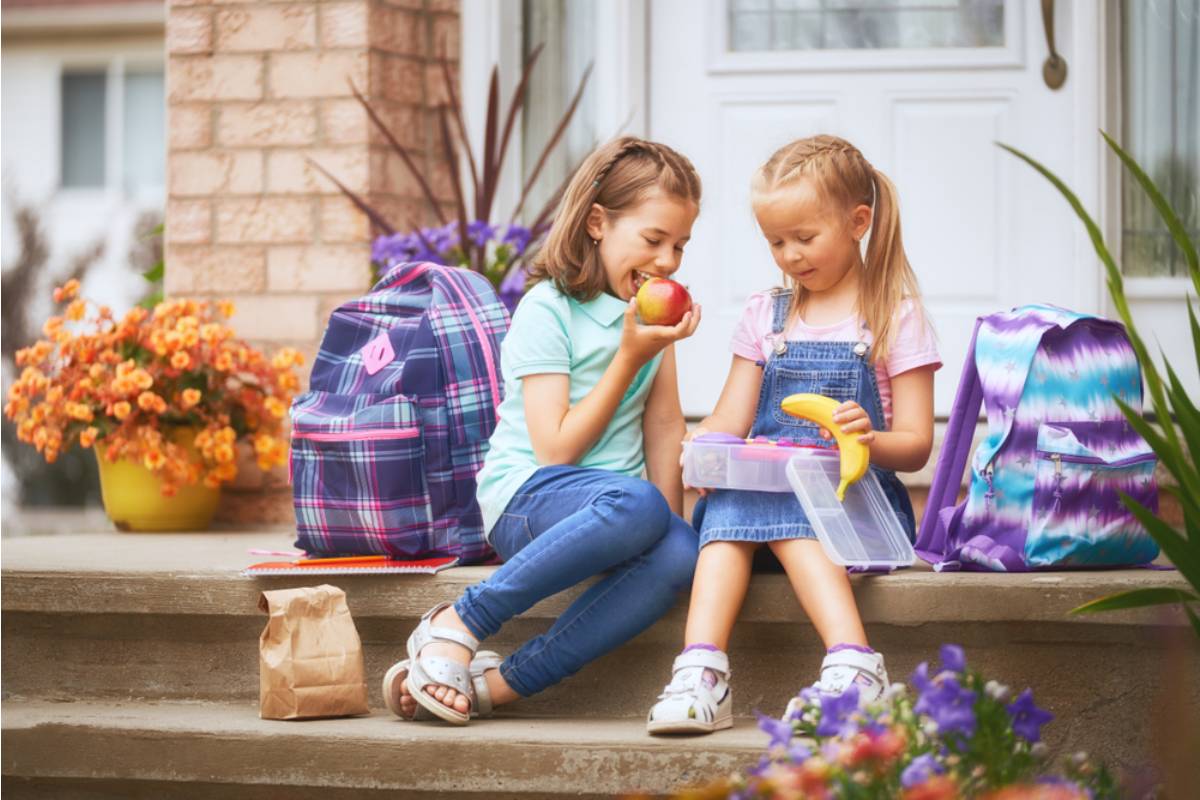
During Caleb’s second day, Ava simply waved toward the empty chair beside her.
“You can sit here if you want,” she said.
Caleb looked surprised.
“You sure?”
She nodded.
“I don’t like eating by myself either.”
Neither child realized that simple conversation would become a daily routine.
A Friendship That Grew Naturally
Over the following weeks they discovered they both enjoyed drawing comic characters and collecting mystery novels from the school library.
Lunch conversations became louder.
Soon another student joined them.
Then another.
Without planning it, the lonely table gradually became one of the busiest in the cafeteria.
Students rotated in and out depending on the day, but nobody worried about whether there was room for one more person.
A Teacher Connected the Dots
One afternoon Ava’s teacher quietly stopped her after class.
“I’ve been watching what you’ve done for Caleb,” she said.
Ava immediately looked embarrassed.
“I wasn’t trying to do anything special.”
The teacher smiled.
“Sometimes the best kindness comes from someone who remembers exactly how something feels.”
Ava never forgot those words.
Michael Wanted to Understand More
That evening Michael asked why Ava had never mentioned eating alone.
She shrugged.
“I didn’t want you to worry.”
He looked at her with surprise.
“You thought protecting me mattered more than telling me how you felt?”
Ava gave a small nod.
“I knew it would probably get better eventually.”
Michael realized his daughter had been carrying difficult emotions while trying to shield him from them.
An Unexpected Meeting
A few weeks later Michael attended the school’s open house.
As families walked through the hallways, Caleb’s mother introduced herself after recognizing Ava.
She smiled warmly before saying something Michael would always remember.
“My son almost begged me not to make him transfer schools,” she explained.
He thought he’d spend the whole year eating lunch alone.
She glanced toward Ava.
“That changed because of your daughter.”
Michael thanked her but found himself struggling to respond.
The Principal Shared Another Story
Before leaving the building, the principal stopped Michael in the hallway.
“I hear you’re Ava’s dad.”
Michael smiled proudly.
The principal explained that teachers had noticed something unusual.
Whenever another student seemed left out during group activities, Ava quietly adjusted without drawing attention to herself.
She never announced what she was doing.
She simply made space.
The principal admitted that students often learn empathy from experience rather than instruction.
Looking Back Through Different Eyes
Driving home, Michael replayed dozens of conversations from the previous school year.
He remembered asking casual questions after work while checking emails.
He remembered distracted dinners where everyone talked at once.
He suddenly wondered how many chances he had missed to notice Ava needed a deeper conversation instead of a quick answer.
The realization was uncomfortable, but he refused to ignore it.
A New Family Tradition
The following Sunday Michael introduced something different at dinner.
Instead of asking, “How was school?”
He asked everyone to describe one moment that made them feel included and one moment that made them feel unnoticed.
At first the conversations felt awkward.
Then they became surprisingly honest.
Ava described funny conversations with friends.
Michael admitted feeling overlooked during a meeting at work.
Even Ava’s younger brother eagerly joined in.
The family began listening more carefully than they ever had before.
Caleb Returned the Favor
Several months later Ava caught the flu and missed nearly a week of school.
When she finally returned, she worried everyone had moved on without her.
Instead, Caleb walked into class carrying a folder filled with neatly organized notes.
“I figured you’d need these,” he said.
He had also convinced two classmates to save Ava a seat at lunch every day until she came back.
For the first time, Ava experienced what it felt like to receive the same quiet kindness she had once offered someone else.
What Michael Learned From One Honest Answer
Months later Michael and Ava were cleaning out old school papers before summer break.
He asked whether she still remembered the conversation that started everything.
She smiled.
“I never wanted Caleb to think eating alone was normal.”
Michael nodded.
Neither child had rescued the other through dramatic speeches or grand gestures. Their friendship began because one recognized a feeling the other never had to explain. Michael also learned that children often hide loneliness behind ordinary routines, believing adults are too busy or that the problem is too small to mention.
Since then he made it a habit to slow down, put away distractions, and truly listen whenever Ava talked about her day. He understood that sometimes the most important stories are not the ones children volunteer right away. They are the quiet truths waiting for someone to ask one more thoughtful question and care enough to hear the real answer.