A Mom Says She Accidentally Found a Child-Free Community While Looking for Postpartum Help, and What She Read Left Her Stunned

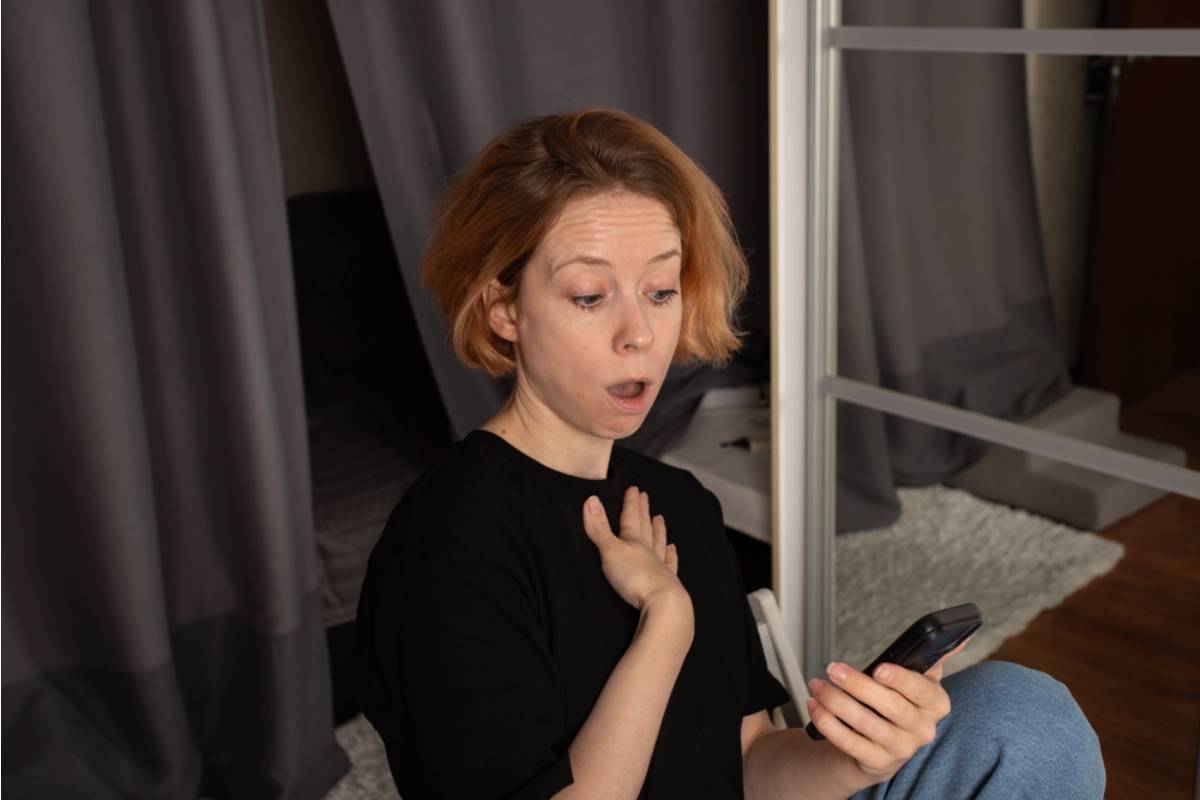
A person shared her story after making an accidental detour online while searching for help with postpartum pet aversion. She clicked into a community focused on people who choose not to have children, expecting little more than conversations about living without kids. Instead, she found harsh language aimed at parents and children that left her genuinely shocked.
The person said she saw parents described with insults and children called names that were clearly meant to demean them. Even more upsetting to her were claims dismissing postpartum mental illness as something mothers simply invented because they could not cope with their babies. She understood that choosing a child-free life was perfectly valid, but what she encountered made her wonder where personal choice ended and hostility toward mothers and children began.
She Was Looking for Postpartum Help
The whole incident started innocently enough. The mom was searching for information about postpartum pet aversion, hoping to find other people who might understand a strange experience she was dealing with after having a baby. Instead of finding the answers she wanted, one misplaced click sent her somewhere completely unexpected.
At first, she probably had no reason to think the detour would matter. She was looking for practical information, not an argument about parenthood. But once she started reading, the tone of the posts made it difficult to simply close the page and forget what she had seen.
The First Shock Was the Language
According to the person, some users referred to parents as “breeders” and children with insulting nicknames. She had expected people who simply did not want children themselves, but the language suggested something much more hostile. The distinction immediately stood out to her because choosing a child-free lifestyle is very different from spending time insulting people who made another choice.
A response from a person pointed out that this kind of language can be especially jarring when someone unexpectedly stumbles across it. Another person explained that they had encountered similar posts during pregnancy and found the descriptions of pregnancy and mothers deeply unpleasant. What shocked many of them was not the decision to avoid parenthood but the intensity of the contempt.
Then She Read Claims About Postpartum Mental Illness
The situation became even more disturbing when the mom encountered people arguing that postpartum mental illness was not real. According to her account, some users suggested mothers were making it up because they simply could not handle caring for their babies. That crossed into an entirely different subject from the question of whether someone personally wants children.
The claim also hit especially close to home because she had gone into that online space while looking for postpartum-related help. What began as a search for support had suddenly exposed her to comments questioning the legitimacy of struggles that many new mothers experience. The discovery made the accidental visit feel much more personal than she ever expected.
She Still Understood Choosing a Child-Free Life
Despite everything she read, the person made an effort to separate the behavior she witnessed from child-free people as a whole. She openly said that she completely understood not wanting children. To her, there was nothing wrong with someone deciding that parenthood was not the life they wanted.
That distinction became a major theme in the responses. Several people shared examples of friends who had deliberately chosen not to have children but still adored the children in their families. Those stories showed that being child-free and disliking children are not automatically the same thing.
Other Parents Said They Had Seen Similar Things
The original story quickly resonated with other parents who said they had stumbled into similar discussions. Some described accidentally finding child-free posts while searching for completely unrelated parenting, pregnancy, or fertility information. Others said they had seen especially harsh descriptions of pregnancy and children’s bodies and had quickly left.
A response from a person said they had learned to actively remove unwanted recommendations from their online feeds. Another person explained that changing those settings made their online experience much more comfortable. Instead of repeatedly wandering into communities that upset them, they chose to curate what appeared in front of them.
One Setting Became an Unexpected Solution
That practical advice ended up becoming one of the most useful parts of the entire conversation. A person explained that users could adjust their account settings to limit recommended posts and have more control over what content appeared in their feed. Someone else admitted they had never realized the option existed until reading the suggestion.
Soon, several people were thanking the person who mentioned it. Parents said they had been repeatedly exposed to upsetting subjects through recommendations and had finally found a way to reduce those surprises. What began as a discussion about offensive language briefly turned into a surprisingly helpful lesson about controlling one’s online environment.
Some People Said Child-Free Friends Are Nothing Like This
One response from a person shared a story about a long-time friend who had always known she did not want children. That friend was described as happily married without kids while still being affectionate toward children in her family. According to the person sharing the story, she loved spending time with her nieces and nephews before happily returning to her own life.
Similar examples appeared throughout the discussion. Parents described child-free friends who enjoyed seeing their children, teachers who loved working with kids despite not wanting any of their own, and relatives who genuinely cared about children without wanting the responsibility of raising them. These examples reinforced the idea that personal child-free choices can exist without hostility.
The Conversation Shifted Toward Mothers
The mom’s final observation was about something she believed she noticed while reading. She said the hostility seemed particularly focused on mothers, and she did not see the same level of contempt directed toward fathers. That led her to question whether some of what she had encountered was connected to attitudes toward women rather than simply attitudes toward children.
A response from a person agreed with that interpretation and described what they saw as a pattern of hostility toward women’s bodies and pregnancy. Another person said that discussions about mothers and childbirth sometimes seemed much harsher than conversations about fathers. The observation remained a point of debate, but it became an important part of how the mom understood what she had encountered.
Some People Thought the Problem Was Bigger Than Parenthood
Several responses tried to explain why certain online communities can become much more extreme than everyday life. One person suggested that people who repeatedly gather to discuss something they claim not to care about can create a feedback loop where increasingly harsh opinions become normalized. Others said online groups can attract people who are already angry and then reinforce those feelings.
Another response from a person described the phenomenon as people turning dislike into part of their identity. Instead of simply saying, “I do not want children,” the conversation can become centered around criticizing parents, families, and children. The distinction between living a different lifestyle and defining oneself around opposition to another lifestyle became increasingly important.
Another Mom Remembered Finding the Same Community While Pregnant
One person said they had encountered the community while pregnant because recommendations kept sending them there when they searched for pregnancy-related questions. They recalled seeing extremely negative descriptions of pregnancy and women and said it became too uncomfortable to continue reading. The experience seemed to mirror the original poster’s accidental discovery almost perfectly.
Another response from a person described stumbling across similar discussions after struggling with fertility treatments. Instead of finding a neutral place for people with different perspectives, they found language that felt especially painful given what they were already experiencing. For both people, the biggest surprise was how far some discussions seemed to move beyond simply saying they did not want children.
The Phrase “Crotch Goblins” Became Its Own Debate
Several people focused specifically on the insulting names used for children. Some said they found those terms disturbing when strangers used them seriously about children as a group. Others admitted the same expressions could occasionally be used jokingly by parents themselves.
A response from a person drew a distinction between a parent making a silly joke about their own children and a person using the language to express genuine contempt. Another person said the phrase had once been common internet humor but now felt worn out and deliberately provocative. What mattered most to the people discussing it was the intention behind the words.
Some People Said They Simply Left
Not everyone wanted to analyze what they had seen. Several responses said the healthiest reaction was simply to stop reading, hide the community, and move on. One person explained that there was no benefit to repeatedly exposing themselves to online discussions that made them miserable.
That approach seemed to resonate with many parents. Rather than trying to change strangers’ opinions about children, they preferred to keep those opinions out of their daily lives. The practical message was simple: not every corner of the internet deserves a front-row seat in someone’s afternoon.
Others Tried to Explain Why the Posts Felt So Extreme
Some responses argued that online communities can magnify extreme voices because people with moderate opinions have less reason to constantly discuss them. A happy child-free person who simply enjoys traveling, hobbies, or quiet evenings may have little reason to spend hours talking about children. Meanwhile, someone with intense feelings about parenthood may be much more motivated to post repeatedly.
A different response from a person pushed back against the idea that all child-free people are unhappy. They pointed out that plenty of people without children seem perfectly content and have fulfilling relationships with children in their families. The disagreement suggested that the original mom’s experience might say more about the specific online corner she entered than about every person who chooses a child-free life.
By the End, the Accidental Visit Had Changed the Conversation
The mom originally went online looking for postpartum support and instead ended up thinking about how people talk about mothers and children. Her accidental click exposed her to language she found shocking, but it also led to a much broader discussion about online communities, algorithms, personal boundaries, and the difference between a lifestyle choice and hostility.
The strongest common thread in the responses was that parents and child-free adults do not have to live the same lives to respect one another. A person can decide never to become a parent and still care deeply about children, friends, siblings, or nieces and nephews. For the mom who took one wrong click and found herself down an unexpected rabbit hole, that contrast was the part she seemed to find hardest to ignore.