A Mom Says Her Children Seem to Think She Has Adulthood Completely Figured Out, Even Though She Still Feels Like She’s Making It Up as She Goes

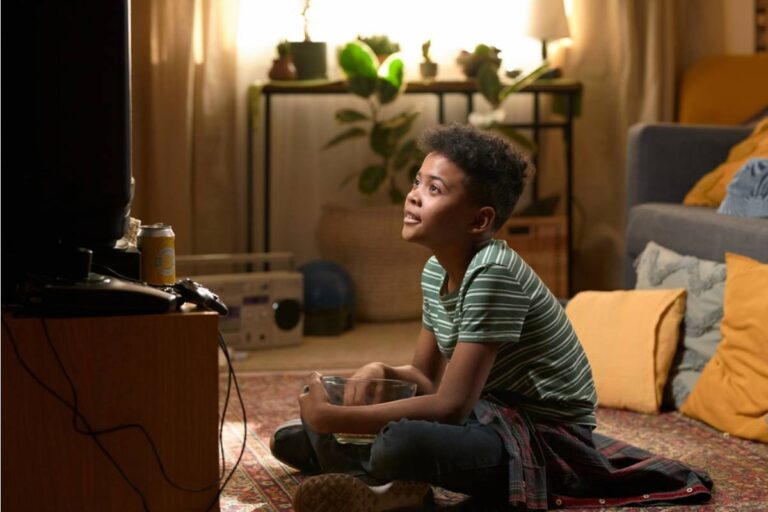
A mom had a random thought that completely changed the way she looked at her own childhood. Growing up, she had always assumed her parents knew exactly what they were doing because they looked like proper adults who had somehow received the secret instructions for life.
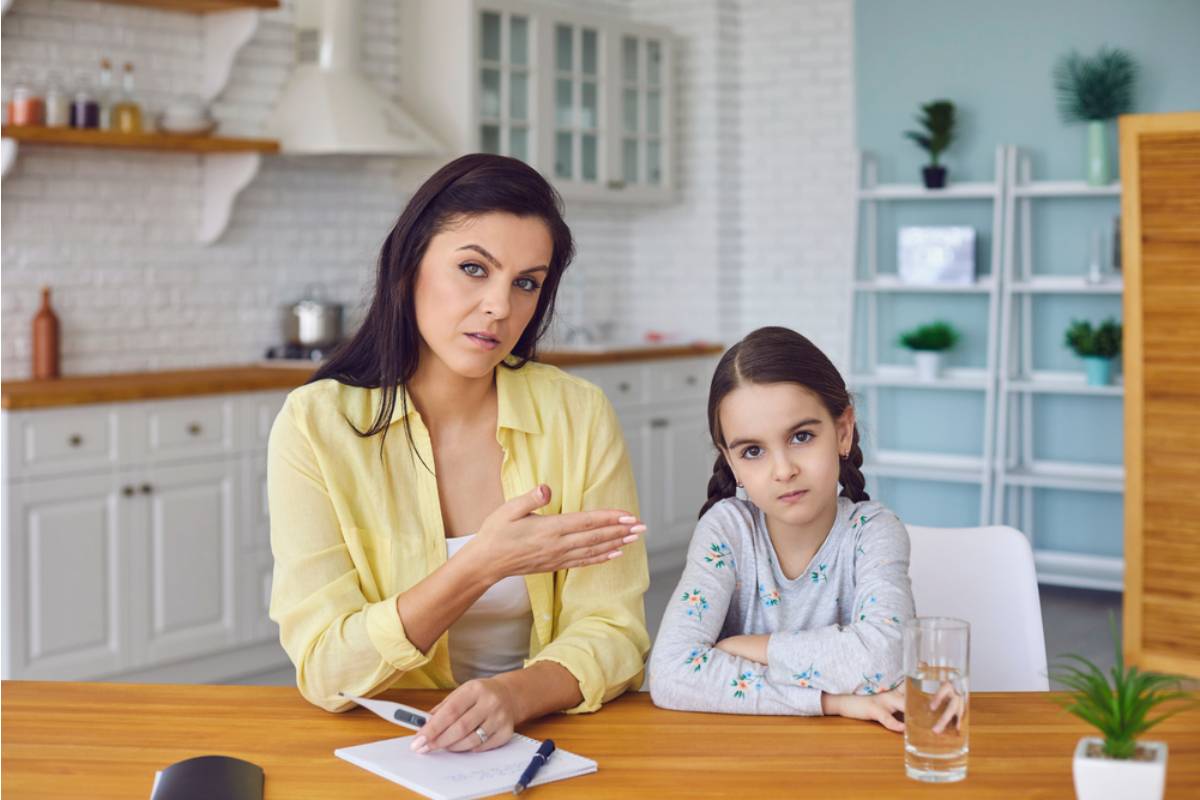
Now that she was raising children herself, she felt like she was improvising half the time. She couldn’t help wondering whether her own children looked at her the same way she once looked at her parents.
The question sounded funny at first, but the more she thought about it, the stranger it became. She knew about the bills she worried over, the decisions she second-guessed, and all the moments when she quietly wondered whether she was doing enough. Her children, however, didn’t see the private panic behind the scenes. They simply saw the person who was supposed to know what happened next.
When “But You’re an Adult” Says Everything
A person shared his story about a child who occasionally responded to uncertainty with a simple argument: “But you’re an adult.” That sentence apparently carried enormous confidence in the parent’s abilities. The child seemed to believe adulthood came with an invisible manual that explained everything from fixing problems to making impossible decisions. The parent, meanwhile, knew the truth was considerably less impressive.
He admitted that he didn’t actually have everything figured out. He still questioned himself, made mistakes, and occasionally had absolutely no idea what the correct answer was. Yet there was something comforting about knowing his child believed he could handle it. For the moment, the child didn’t need a perfect human being; he needed someone who looked capable enough to make the scary parts of life feel manageable.
The Grandmother Who Never Felt Like a Real Adult
Another person shared a story about asking their mother when they would finally start feeling like the responsible adult in the room. The answer was hilarious because the grandmother admitted she was still waiting for that feeling herself. Apparently, reaching adulthood hadn’t triggered the magical transformation her child had imagined. She had simply spent years making decisions and hoping they turned out better than the decisions made by the generation before her.
That revelation made the entire idea of adulthood feel slightly ridiculous. The daughter had once assumed her mother possessed some special wisdom that came automatically with age. Her mother knew better because she had been experiencing the same uncertainty from the inside. She wasn’t an all-knowing adult; she was simply an adult who kept showing up and trying again.
Parents Looked Older Than They Really Were
When people are children, their parents often seem impossibly old and established. A person shared how their parents and other adults seemed completely put together compared with the way adulthood feels from the inside now. Teachers, neighbors, and parents appeared to belong to a different category of humanity. They had jobs, houses, responsibilities, and answers, so surely they must have understood life.
But adulthood eventually reveals the trick. The people who looked ancient when you were eight may have been barely older than you are now. They were dealing with money, relationships, work, family, and their own fears while pretending everything was normal. The mysterious “adult” category was apparently just a collection of people who had learned how to keep moving while figuring things out.
The Child Who Still Thinks Mom Knows Everything
One person explained that their children regularly came to them for advice. That seemed like pretty strong evidence that the kids believed their parent knew what they were doing. The parent joked that it was nice to know they could still fool their children into believing they possessed all the answers.
There was something genuinely sweet underneath the joke. Children don’t necessarily need parents who know everything because that person doesn’t exist. They need someone they trust enough to ask when they don’t know something themselves. Sometimes confidence isn’t about having the answer; it’s about being willing to sit beside your child while you figure it out together.
Some Parents Were Never Seen as Experts
Of course, not everyone had experienced childhood that way. A person shared that their parents had never seemed particularly competent or in control. They could see problems happening around them and understood from a young age that the adults weren’t necessarily handling everything well. Love existed in the family, but love didn’t automatically turn their parents into role models.
That perspective added an important wrinkle to the conversation. Children don’t all walk around believing their parents are wise authorities. Some children notice dysfunction very early and spend their childhood wondering why the adults seem so overwhelmed. For those parents, the goal isn’t to preserve an illusion of perfection but to make sure their children grow up with a healthier example than the one they were given.
Anxiety Can Change the Picture
One person shared a particularly personal perspective about growing up with a mother whose anxiety affected the entire household. As a child, they didn’t necessarily have the language to understand what was happening. As they became older, however, they could see how fear and constant worry had shaped the way their mother interacted with the family. It became a reminder that children often notice much more than adults realize.
Another person responded by asking what could have been done differently because they were worried about passing their own anxiety to their child. The answer wasn’t that parents must never feel anxious. Instead, it emphasized the importance of recognizing anxiety and learning ways to manage it rather than allowing it to control every situation. That distinction mattered because a parent can be imperfect without making their child responsible for the parent’s emotions.
The Mom Who Hovered Over Everything
A person shared a story about growing up with an extremely anxious mother and later watching that same anxiety appear around a young grandchild. The grandmother hovered over ordinary activities, worried about harmless things, and struggled to let the child develop independence. Watching it as an adult made the person wonder how their own childhood had survived. What once might have felt like normal parental caution now looked dramatically different from the outside.
The experience also made the parent especially careful with their own child. They had experienced significant anxiety themselves after becoming a parent and knew they had to consciously keep it from taking over. The lesson wasn’t that anxiety made someone a bad parent. It was that children can feel the atmosphere created by an adult’s fears, even when the adult believes they are simply trying to keep everyone safe.
Other Parents Were More Relaxed
A parent with two nearly grown sons offered another perspective. They said they felt far more relaxed with their children than their own parents had been with them. They could laugh at silly videos, listen to some of the same music, and enjoy conversations with their sons’ girlfriends without feeling that being the parent required constant seriousness. Yet they still occasionally wondered whether being relaxed meant they weren’t being mature enough.
That uncertainty was almost funny because the children seemed to be doing just fine. The parent wasn’t trying to become their children’s best friend or abandon parental boundaries. They simply allowed themselves to be a human being around their children. Maybe that was one of the biggest differences between generations: being an adult didn’t necessarily require acting like you had forgotten how to laugh.
The Parent Who Admitted They Were Still Learning
One person shared that they were intentionally honest with their child about not knowing everything. Instead of pretending to possess every answer, they explained that they could find a way to figure things out together. That approach created a different kind of authority. The child didn’t need to believe the parent was omniscient because the parent had already demonstrated that problems could be handled without pretending.
Another parent described a similar strategy with their daughter. They were honest when they didn’t know something but tried to remain confident enough that the child still felt secure. Sometimes the confidence was an act, but that didn’t necessarily make it dishonest. A parent can be uncertain internally while still giving a child the reassurance that someone capable is keeping an eye on things.
Some Children Know the Truth Early
Not every child gets the comforting illusion of parental competence. A person shared that their parents fought constantly, and they never believed the adults would eventually get everything together. Even now, their parents were still struggling with major life problems. The child loved them, but their experience became a blueprint for what they did not want to repeat.
That kind of childhood can produce a very different adult perspective. Instead of thinking, “My parents knew everything,” the child grows up thinking, “I need to learn how not to repeat this.” Sometimes the lessons passed down through a family are not instructions but warnings. A parent doesn’t have to be perfect to teach something valuable; sometimes their mistakes become the reason their child chooses a better path.
The Parents Who Seemed Almost Superhuman
Another person remembered their parents as constantly energetic and composed. They rarely complained, rarely lost their tempers, and seemed to have an almost supernatural ability to keep everything under control. Now, as a parent themselves, they were exhausted, occasionally swore, and wondered how their own parents had apparently operated with an entirely different set of internal batteries. It made them suspect their parents might have been built differently.
But there was another possibility. Maybe the parents were just better at hiding the difficult parts. Children rarely see every unpaid bill, private argument, exhausted morning, or moment of doubt. They see the version of adulthood that makes it through the front door. The messy backstage remains invisible, which can make ordinary parents look like absolute experts.
The Generation Gap Was Bigger Than Anyone Realized
One person described a conversation with a father-in-law that revealed just how different parenting had become across generations. The older generation had focused heavily on making sure there was food on the table and meeting basic responsibilities. The younger parents spent far more time playing with their children and thinking about emotional connection. Neither approach existed in a vacuum; each was shaped by the world those parents had inherited.
That realization changed the meaning of “good parenting.” A parent doesn’t necessarily have to reproduce exactly what their own parents did. Sometimes they take the parts that worked, discard the parts that didn’t, and invent something new. Their children may someday look back and wonder why their parents did certain things, just as today’s adults look back and wonder about their own childhoods.
The Child Who Asked About the Tooth Fairy
A person shared a funny example involving the tooth fairy and the complicated moment when a child starts figuring out that the magical story doesn’t quite add up. The child already seemed to know the truth but still wanted confirmation from the parent. They danced around the subject, each waiting for the other to acknowledge what was obvious. Even in that tiny moment, the parent remained the official keeper of reality.
That was perhaps the clearest example of how children can assign parents extraordinary authority. The child could have worked out the answer independently, but hearing it from the parent still mattered. Parents aren’t necessarily trusted because they are always correct. They’re trusted because, for a child’s entire early life, they are the people who explain what the world means.
Some Adults Hope Their Children Never See Them the Way They Saw Their Parents
One person shared a much darker childhood perspective and said they hoped their own children would never see them the way they had once seen their parents. Their childhood had included disturbing situations that made their parents seem deeply flawed. They still loved their parents and understood that those parents had tried in their own way. But knowing that someone did their best didn’t automatically mean their best was good enough.
That distinction was powerful because it showed that self-doubt isn’t always a bad thing. A parent who occasionally asks, “Could I be doing this better?” may actually be paying attention to the effects of their choices. The danger isn’t necessarily uncertainty; it can be believing you have nothing left to learn. Sometimes the parents who worry most about getting it right are the ones actively trying to break patterns their children shouldn’t have to inherit.
The Strange Secret About Being an Adult
Eventually, all these stories pointed toward the same strange secret. There may be no moment when a person suddenly feels like a fully qualified adult. People simply wake up one morning responsible for children, bills, decisions, and households and discover that nobody is coming to replace them. They become the person someone else looks toward for reassurance while privately wondering whether they themselves are doing any of this correctly.
And that means the parents many of us thought had everything figured out may have been just as confused as we are. They may have been exhausted, improvising, frightened, and learning from mistakes while their children saw only the finished performance.
The difference is that children experience the world from the audience, while parents experience it backstage. And perhaps the biggest twist is that when today’s children grow up, they may look back at their own parents and finally realize that the adults they thought were experts were simply brave enough to keep pretending they knew what came next.