A Mom Says Her Teens Started Using Science and Self-Help Advice to Fight Every Household Rule, and She Eventually Realized They Were Taking It Very Literally

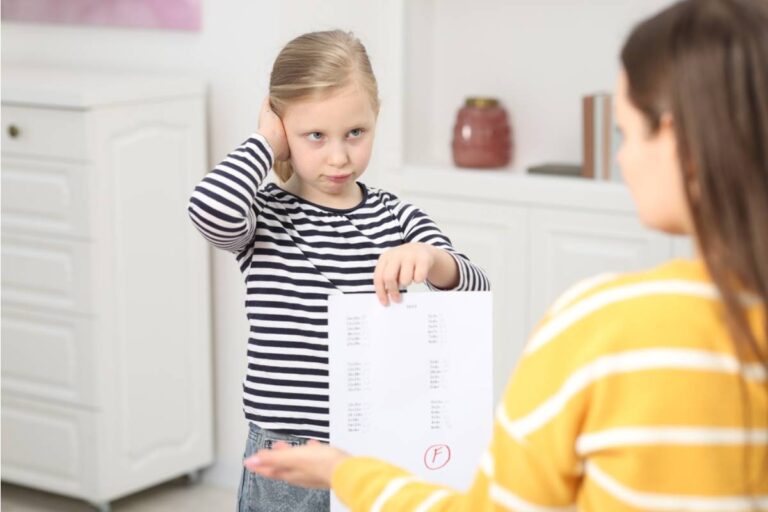
A mother shared that her two teenagers, ages 17 and 13, had somehow turned ordinary parenting requests into full debates. She described them as extremely confident negotiators who seemed determined to find an argument for almost everything she asked them to do. What started as normal household discussions had gradually become something much more elaborate.
The mother said she considered herself a fairly reasonable parent, which made their arguments even harder to dismiss. Instead of simply complaining, her children were beginning to bring evidence, explanations, and carefully chosen examples to the table. She joked that they had discovered a whole new way to challenge her without actually raising their voices.
Her Daughter Brought Science to the Kitchen
The first major example involved her 13-year-old daughter and the dishes. When her mother asked her to clean up after dinner, the girl responded by bringing up research about how much sleep teenagers need. She argued that she had a demanding schedule, needed more rest, and would be better off going to bed shortly after dinner so she could shower in the morning.
The mother admitted that she initially thought the argument was simply a clever excuse. Then she actually looked into the information her daughter had presented. To her surprise, the sleep recommendations were not completely made up, leaving her stuck in the awkward position of discovering that her teenager had a legitimate point.
The Dishes Became a Sleep Debate
That realization created a strange problem in the household because the mother did not want to ignore her daughter’s need for sleep. Her daughter was heavily involved in dance, and the mother acknowledged that the schedule was intense enough that she was impressed the girl managed to keep up with it. Suddenly, a chore that should have taken a few minutes had become part of a much bigger conversation about rest, activities, and daily routines.
The mother joked that she ended up doing the dishes while wondering whether she had accidentally allowed her daughter to win through technicality. There was also a practical complication because the daughter’s brother already had the breakfast dishes as his assigned chore. That meant simply moving the daughter to the morning was not as easy as it sounded.
Her Son Had a Different Strategy
Her 17-year-old son had developed a completely different argument for his own battle. Instead of talking about sleep, he began sending his mother information about independence and the importance of allowing teenagers to make mistakes while they were still young. He used that idea to challenge the curfew he was expected to follow.
His basic argument was that young people needed opportunities to make decisions and experience the results. The mother understood the concept, but she was not convinced that removing his curfew was necessary to prove it. She also pointed out that he was still trying to negotiate the rule, meaning the debate was far from over.
The Mother Started Checking Their Sources
What made the situation especially difficult was that the mother actually took her children’s arguments seriously enough to investigate them. Rather than immediately dismissing them as teenagers trying to get their way, she looked into the claims they were making. More than once, she discovered that the information had at least some legitimate basis.
That left her in an unusual position because she did not want to teach her children that facts only mattered when they supported the adults. At the same time, she did not want every household rule turned into a courtroom-style argument. She began wondering where the line should be between listening to a teenager and letting that teenager manage the household.
One Response Pointed Out the Missing Piece
A response from a person suggested that the daughter might actually be proving a useful point about priorities without realizing it. If she truly needed more sleep because of her schedule, then the answer might be deciding which activities mattered most instead of expecting everyone else to absorb the extra workload. The person argued that learning to balance commitments was part of becoming responsible too.
That idea shifted the conversation away from whether teenagers need sleep and toward how teenagers use their limited time. The daughter was participating in dance and keeping up with school, while still being expected to contribute at home. The challenge was finding a schedule that respected her needs without quietly making household responsibilities someone else’s problem.
Her Brother Was Not Giving Up His Chore
The morning dishes offered another small twist because the daughter had already agreed to handle them before school. Unfortunately, that plan depended on her brother giving up the chore he already had, and he had no interest in making that trade. The mother found the situation funny because her daughter had technically agreed to a solution, only for her brother to block the arrangement.
Several responses pointed out that the mother was not actually required to preserve the children’s chore preferences. If one arrangement worked better for the household, the adults could simply change it. Eventually, the mother said she planned to switch the chores and let the daughter handle the morning cleanup.
The Curfew Argument Was Still Going Strong
The son’s independence argument did not produce the same immediate change. His mother had not lifted his curfew, and he was apparently still working on his campaign. The difference was that his argument about independence depended on a misunderstanding of what it means to be allowed to make mistakes.
A response from a person explained that making mistakes does not necessarily mean avoiding consequences. A teenager can be allowed to make a poor decision, but still be expected to experience the result of that decision. The lesson, according to the response, comes from having the chance to make the mistake while the consequences are still relatively manageable.
The Family Was Not Actually Against Independence
The mother did not appear to oppose her son’s growing independence. In fact, she seemed to understand why a teenager would want more freedom as he approached adulthood. What she questioned was whether independence required completely removing the rules that were there to keep him accountable.
Another response from a person suggested a compromise involving a flexible number of later nights while keeping the basic curfew. The idea was that the teenager could decide when to use those exceptions and learn to manage them. That would give him some control while leaving the larger boundary in place.
Then People Started Questioning the Daughter’s Excuse
As the discussion continued, some responses focused on whether the daughter’s sleep argument was really about sleep at all. One person pointed out that teenagers can sometimes make very convincing arguments about what they technically need, only to spend the extra free time doing something completely different. The question became whether the daughter actually went to bed earlier when the dishes were skipped.
Other responses suggested that if the daughter truly needed that additional rest, the mother could test the logic by adjusting the schedule rather than simply surrendering the chore. The mother could see whether the claimed bedtime change actually happened. In other words, the science would have to survive contact with real life.
The Dance Schedule Was More Serious Than It First Appeared
The daughter’s dance commitment turned out to be an important part of the story. Her mother explained that dance was not just a casual after-school activity but something that demanded considerable time and energy. She also said the daughter was already working with a therapist and a physical therapist because the family had genuine concerns about her long-term well-being.
The professionals involved did not believe she needed to quit or reduce dance, and the mother said they considered it beneficial for her. That detail changed the picture because the activity was not simply competing with chores for fun. It was something the family had been told could be helpful for the teenager in ways that extended beyond dance itself.
Then Another Detail Explained Why She Was So Exhausted
Later, a person asked whether the daughter was eating enough, and the mother admitted that it was a concern. She explained that her daughter struggled with food because of sensory and anxiety-related difficulties and often found it hard to eat away from home. The family was already working with multiple mental health professionals on the issue.
The daughter did eat at home and sometimes ate in the car, but the mother said she would often finish food she had not eaten at school. She also mentioned that the girl drank plenty of water and apple juice to help keep herself going. Suddenly, the earlier argument about exhaustion looked less like a simple teenage excuse and more complicated than anyone had initially assumed.
The Mother Was Listening to the Professionals
Some responses argued that the daughter’s health concerns should take priority over her dance schedule. The mother pushed back by explaining that the professionals treating her daughter did not recommend removing dance, and she trusted their guidance. She even joked that she did not have a doctorate, so she was going to listen to the people who did.
That did not eliminate the household problem, though. The mother still had to figure out how a teenager with a demanding schedule and genuine challenges could contribute to the family. The debate was no longer simply about whether the daughter was trying to get out of doing dishes.
Even the Family Chore System Became Part of the Debate
Some responses suggested abandoning permanently assigned chores altogether because children could become overly focused on whether something was technically “their job.” A rotating system, they argued, could make everyone responsible for the overall workload instead of guarding specific chores. That approach would also make it easier to adjust responsibilities when schedules changed.
The mother seemed open to changing the arrangement, especially once it became obvious that the original system was creating more arguments than solutions. In the end, the chore assignment was something she could change without compromising the children’s independence or well-being. She simply had to remember that being the parent meant she still had the authority to adjust the rules.
The Teenagers Had Accidentally Made Their Own Case
The funniest part of the situation was that both teenagers were making arguments about responsibility while also trying to avoid the responsibilities directly in front of them. The daughter was arguing that she needed better sleep, while her brother was arguing that he needed more freedom to learn from mistakes. Both points could be reasonable in the right context, but neither automatically erased the expectations that came with living in a family.
The mother seemed to be learning that parenting teenagers sometimes means listening carefully without handing them the final decision. Her children had discovered that research, self-help concepts, and confidence could make a simple request sound like a complicated legal case. What they had not quite discovered yet was the final rule of the household: they could make their arguments, but their mother still got to decide what happened next.